Every year, you welcome a new group of students with unique needs, backgrounds, and learning speeds. From language barriers to varying reading levels, creating an inclusive classroom is a rewarding challenge—but it doesn’t have to drain your time. With the right tools, you can meet the needs of every student without reinventing the wheel. That’s where AI comes in.
If you’ve ever asked yourself, “How can I actually use AI in my classroom… and is it worth the time to figure it out?”—you’re in the right place! Let’s take a look at just a few ways AI can support you in building an inclusive classroom, giving every student the attention they deserve.
What Makes a Classroom Inclusive?
An inclusive classroom is all about ensuring every student, no matter their background or abilities, has equal access to learning. In a K-2 classroom, this includes:
- Differentiating lessons for varied reading levels
- Providing language support for ELL students
- Engaging students in a way that respects different learning styles
Creating this environment doesn’t have to mean spending hours prepping resources. AI can support you in streamlining this process, allowing you to focus on what you do best—teaching.
How AI Can Support Your Inclusive Classroom
Here are just a few AI-powered ways you can easily meet the needs of all your students:
Language Support
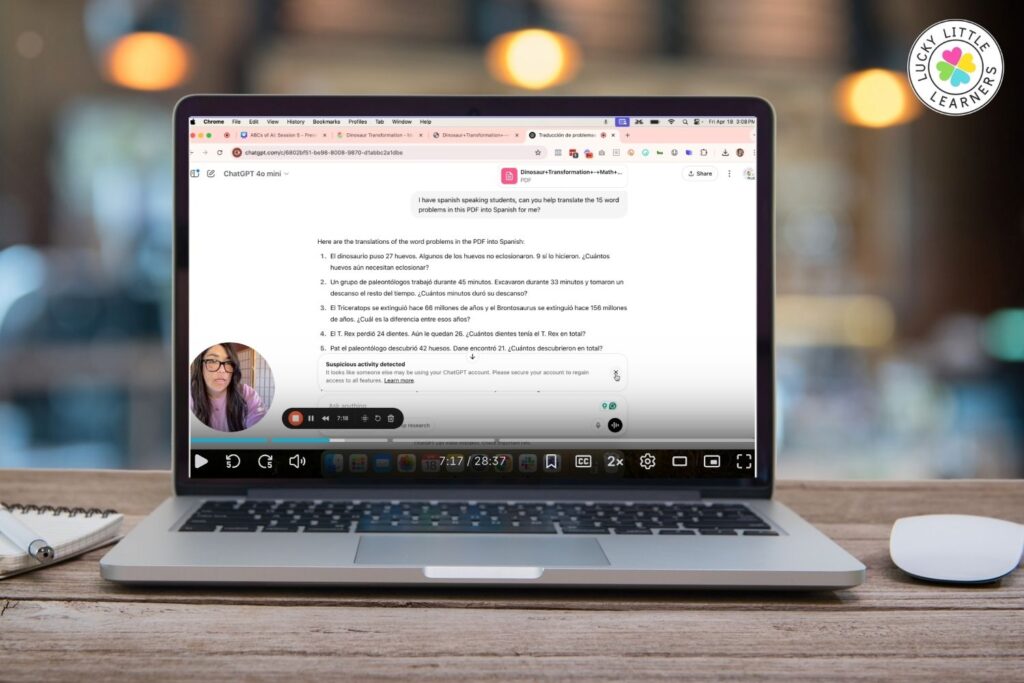
AI can instantly translate lessons and instructions, helping non-native English speakers thrive without waiting for extra resources.
Quick Tip: Use ChatGPT to translate reading materials or instructions into Spanish, making it easy to provide multilingual support in minutes.
Differentiated Reading Materials
AI can adjust reading passages to suit different levels, from kindergarten to second grade, and even offer challenging extension activities for your high achievers.
Quick Tip: Take any article or reading passage and use ChatGPT to simplify it for struggling readers or raise the complexity for advanced learners.

Custom Visual Aids
For students who benefit from visual learning, AI tools like Canva can create quick, tailored visuals—from flashcards to custom diagrams—without needing an art degree.
Quick Tip: Use Canva’s text-to-image feature to turn a student’s story idea into a fun visual prompt!
Student Engagement
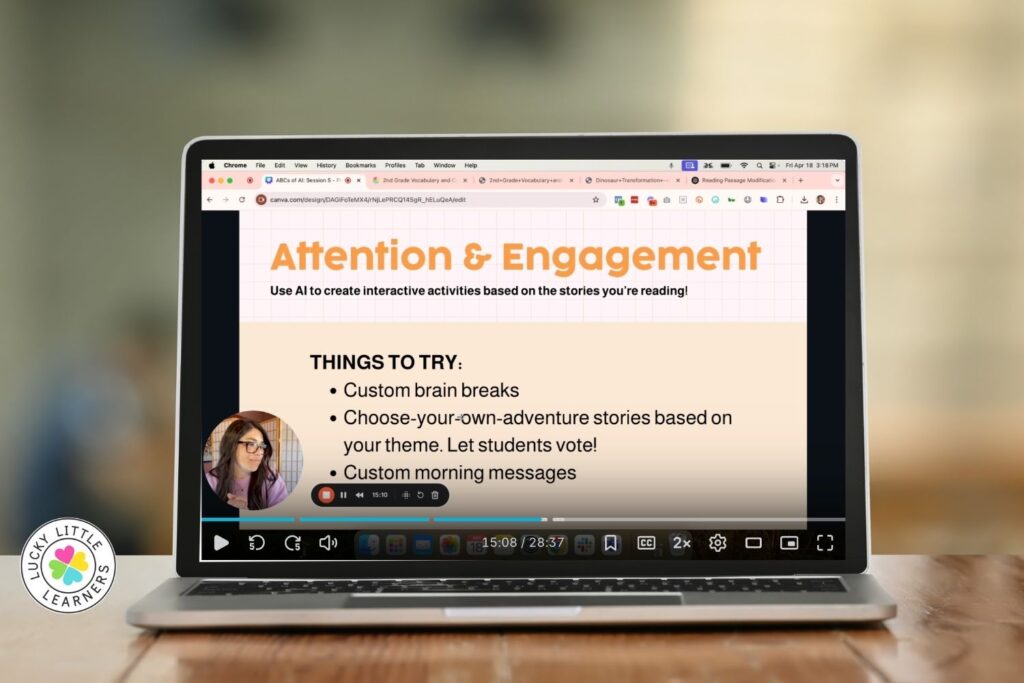
Keeping young learners engaged can be tough, but AI can help by offering interactive activities like Choose Your Own Adventure stories. Let students vote on the direction of the story and bring a bit of excitement into your classroom.
Quick Tip: Try using AI to create a themed brain break related to a book you’re reading—quick, fun, and perfectly aligned with your classroom activities.
Building Student Agency
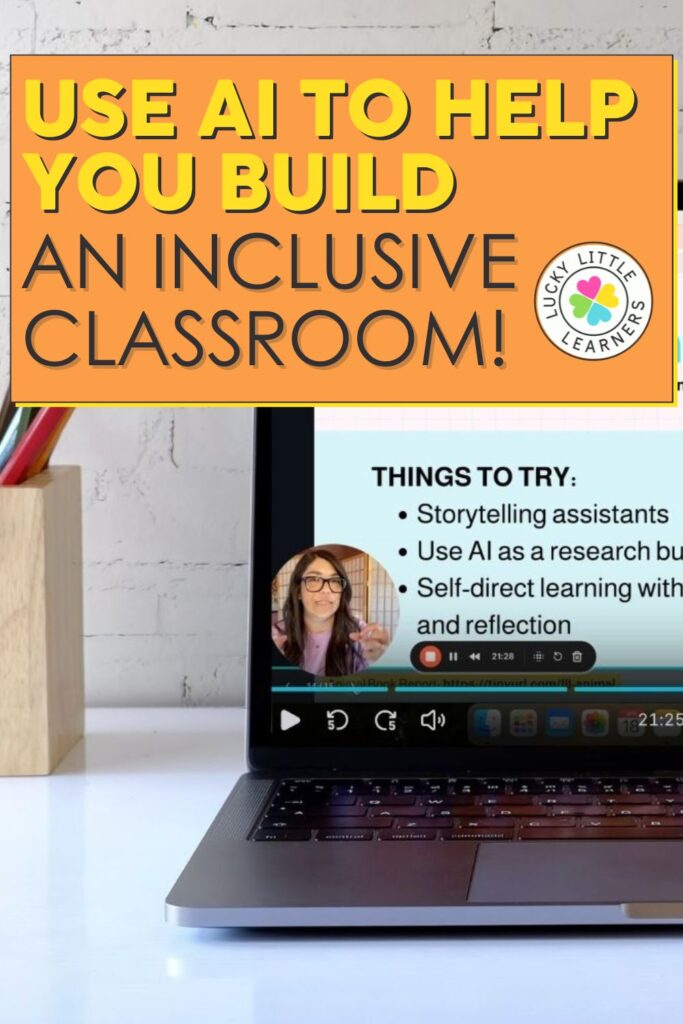
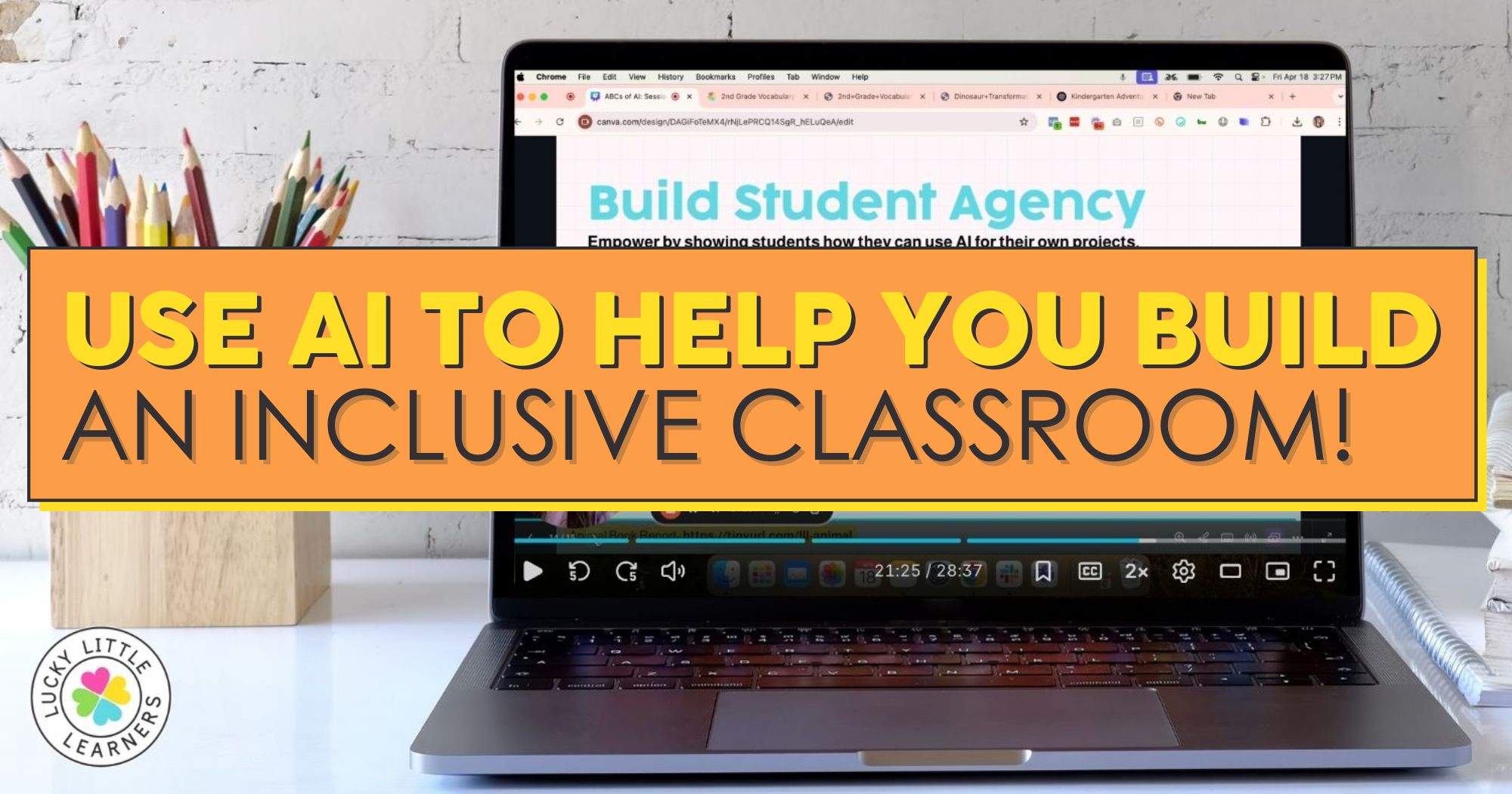
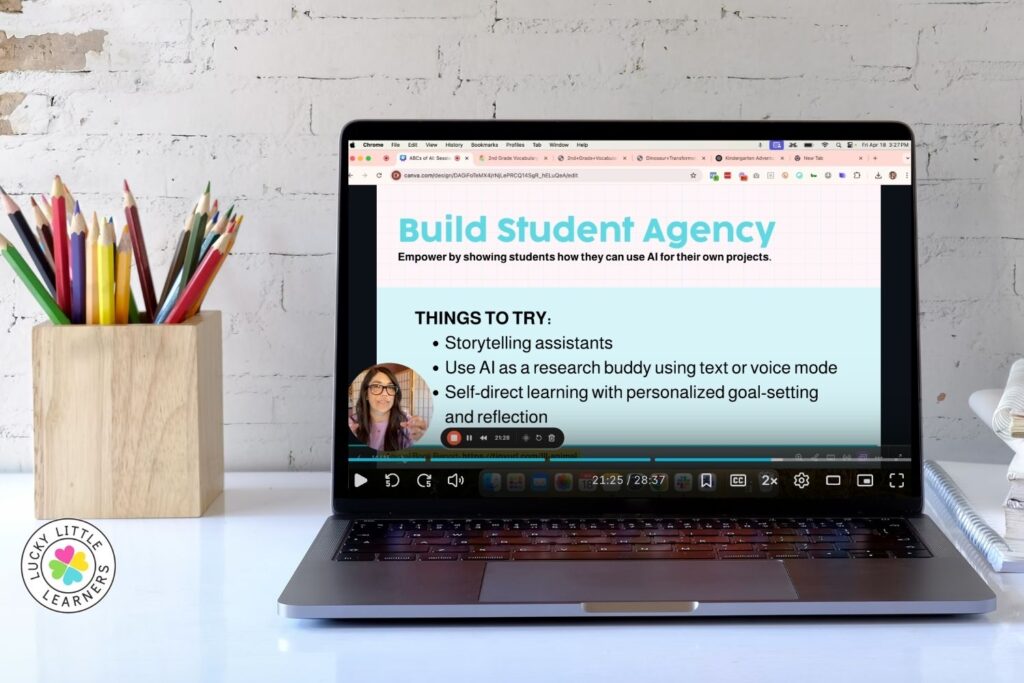
AI is also an incredible tool for empowering your students. Show them how to use AI to research topics, write stories, or create projects, giving them a sense of ownership over their learning.
Quick Tip: Help students with writing prompts or research projects by encouraging them to use AI as a “research buddy” to generate ideas and information for their reports.
Why Stop Here?
These are just a few ways AI can help you create a more inclusive classroom—simple strategies to support language learners, engage different learning styles, and meet the needs of all your students. The best part? You don’t have to master everything at once. Start with one small tool, and before you know it, you’ll have a whole toolkit of strategies that make your classroom more inclusive and efficient.
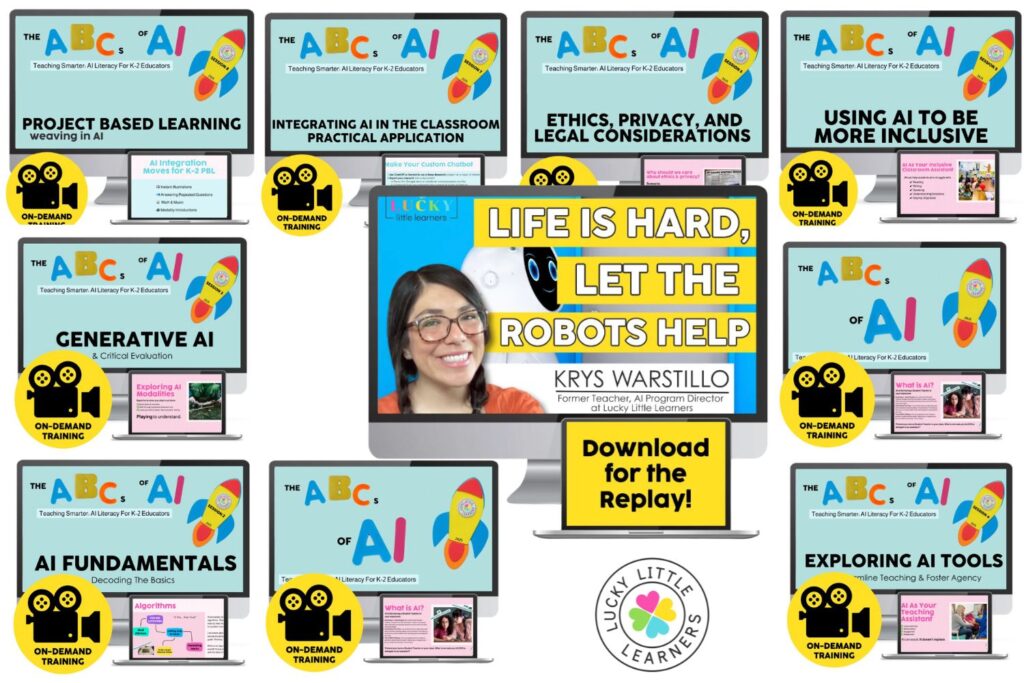
Want more hands-on, practical ways to incorporate AI into your teaching? The ABCs of AI training series has everything you need. Each session walks you through the most effective tools, giving you step-by-step guidance with real classroom examples.
Ready to Take Your Classroom to the Next Level?
From lesson planning and differentiation to communication and engagement, we’ve got you covered. Start building your AI-powered inclusive classroom today!
View this full training and get instant access to all of our AI trainings for teachers.