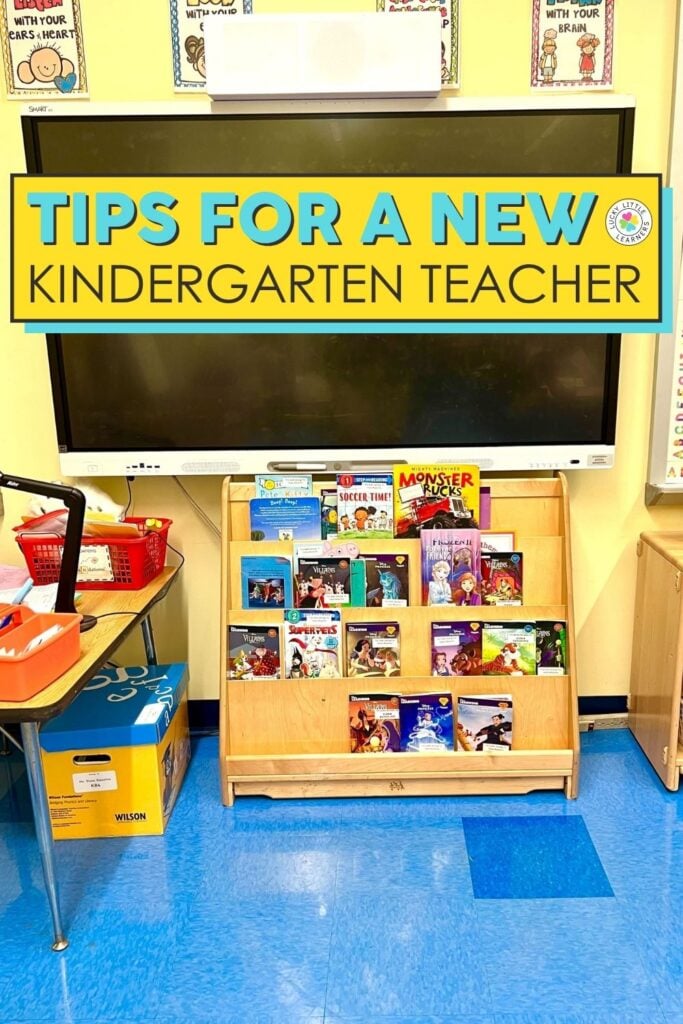
Are you a new kindergarten teacher? Welcome to one of the busiest, sweetest, and most rewarding grade levels in elementary school! Kindergarten students are learning how school works for the very first time. They need routines, movement, hands-on learning, and LOTS of practice with everyday classroom skills.
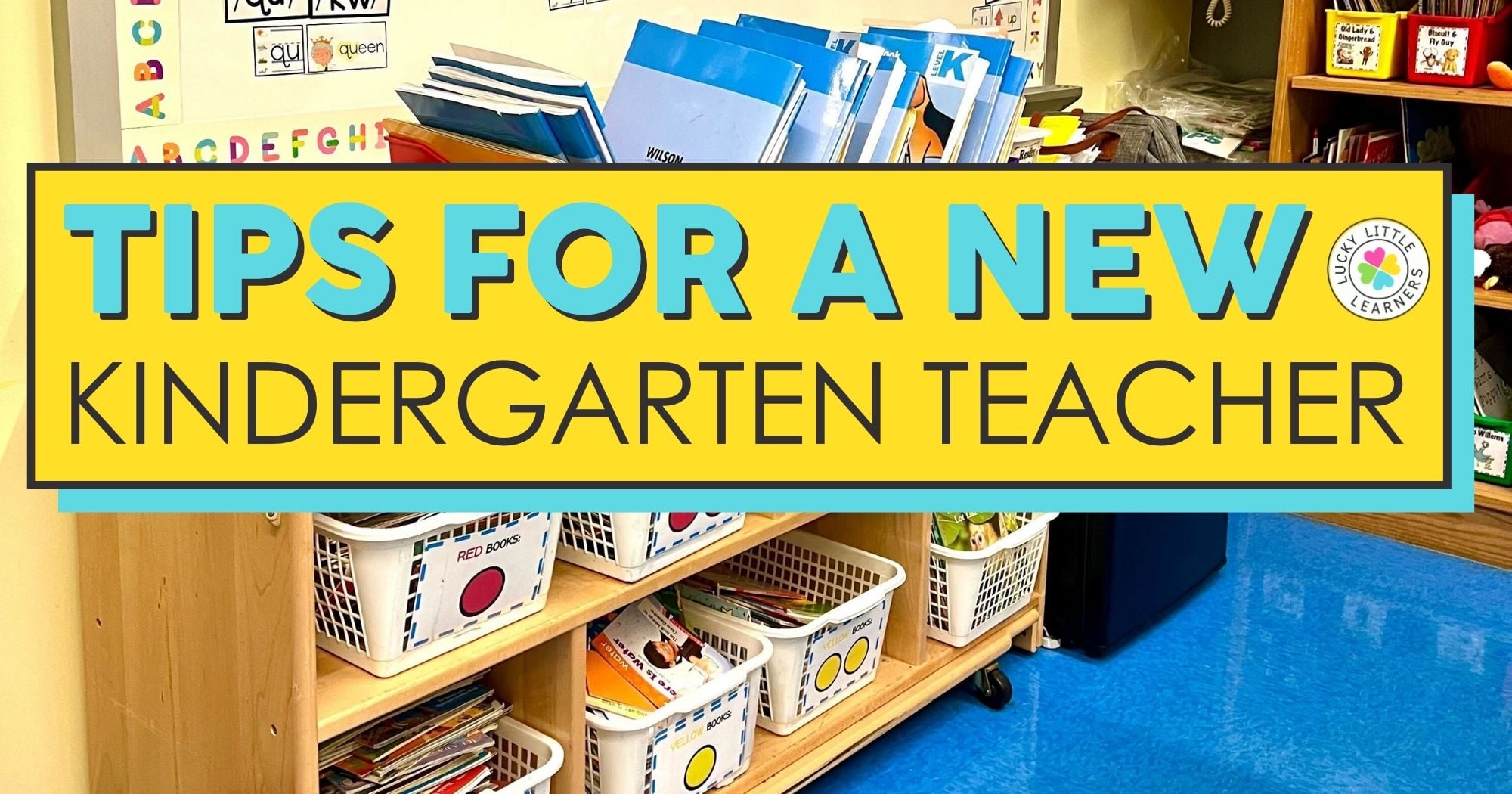
Kindergarten is all about building routines, independence, social skills, and early academic confidence. New kindergarten teachers often need support with classroom management, transitions, centers, stamina building, and helping students learn how to function successfully in a classroom environment.
What You’ll Learn
- What makes kindergarten unique
- Morning routine ideas for young learners
- Classroom management tips that actually work in kindergarten
- Classroom setup ideas for play-based and small-group learning
- Organization systems that save time during busy school weeks
What Makes Kindergarten Unique?
Kindergarten students are learning academic skills AND life skills at the same time.
Many students are entering school for the very first time and may not yet know how to:
- Walk in line
- Raise their hand
- Use school supplies
- Share materials
- Open lunch containers
- Clean up independently
The good news? The time you spend teaching procedures early pays off ALL year long.
One of the biggest surprises for new kindergarten teachers is how much time gets spent teaching routines and transitions.
Start With Strong Morning Routines
Kindergarten students thrive with predictable routines and visual support.
A calm morning routine helps students transition from home to school while reducing anxiety and behavior challenges.
Option 1: Soft Start Activities
Soft starts work especially well in kindergarten because students arrive with different energy levels and readiness skills.
Some favorite kindergarten soft start ideas include:
- Play dough trays
- Linking cubes
- Pattern blocks
- Fine motor tubs
- Alphabet puzzles
- Sensory bins
- Sticker scenes

Hands-on activities help students settle into the classroom while building important fine motor skills.
Teacher Tip: Keep morning tub choices simple enough that students can complete them independently after a few weeks of modeling.
Option 2: Simple Morning Work
Kindergarten morning work should stay short, visual, and highly predictable.
Good morning work options include:
- Name practice
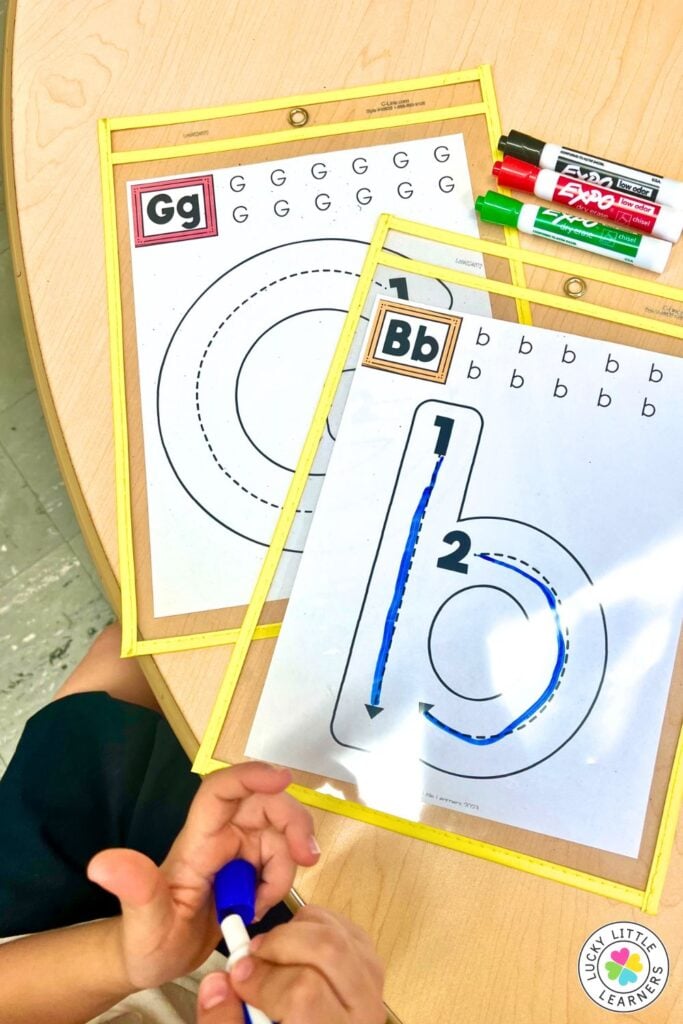
- Letter tracing
- Picture sorting
- Coloring by code
- Simple counting practice
- Directed drawing
Many kindergarten students are still developing pencil grip, stamina, and attention span, so avoid lengthy worksheets.
Journaling:
Instead of expecting full sentences immediately, allow students to draw pictures, label words, and practice oral storytelling first.
Option 3: Blended Routine
Alternate between hands-on soft starts and simple seat work throughout the week to keep routines engaging without overwhelming students.
Classroom Management Tips for Kindergarten
Kindergarten classroom management is all about consistency, visuals, modeling, and repetition.
Teach Every Procedure Step-by-Step
Never assume students know how to do basic classroom tasks.
You will likely need to model:
- How to sit on the carpet
- How to use glue sticks
- How to push in chairs
- How to carry scissors safely
- How to line up
- How to clean up centers
The more specific your modeling is, the more successful students will be.
Use Visual Supports Everywhere
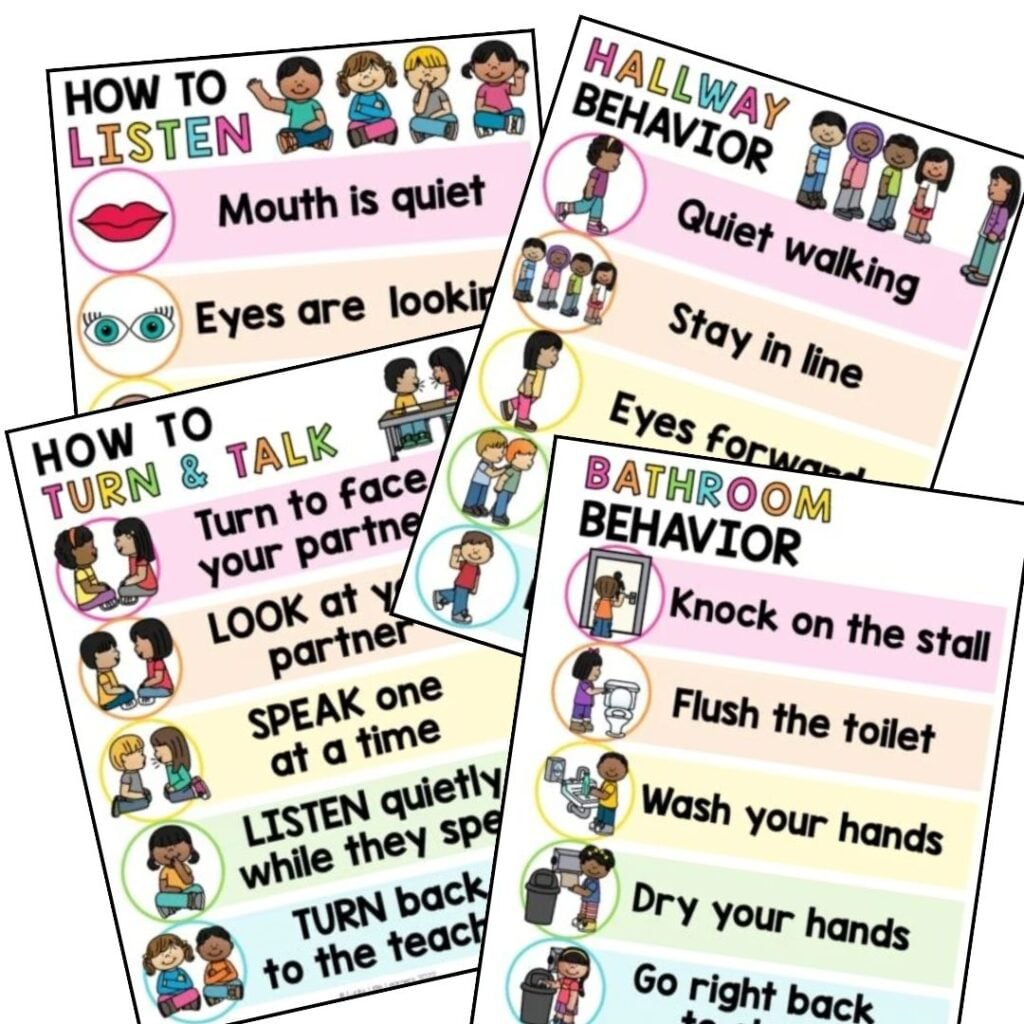
Visuals help kindergarten students follow routines independently before they can fully read directions.
Helpful visuals include:
- Picture schedules
- Center rotation cards
- Bathroom signs
- Voice level charts
- Handwashing posters
- Cleanup labels
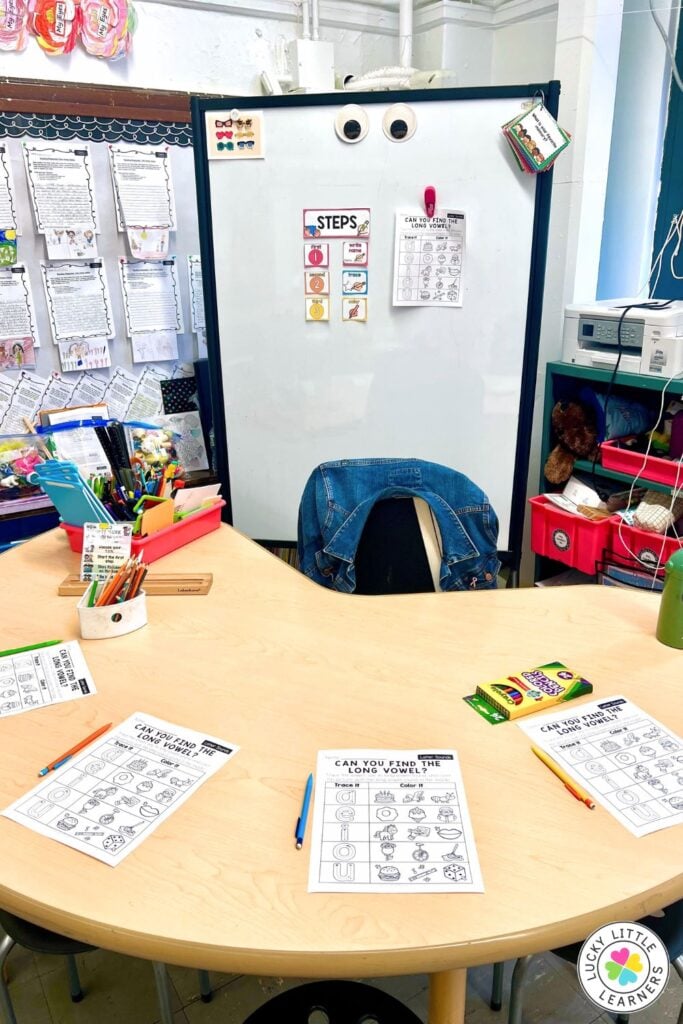
Many kindergarten classrooms rely heavily on pictures and icons all year long.
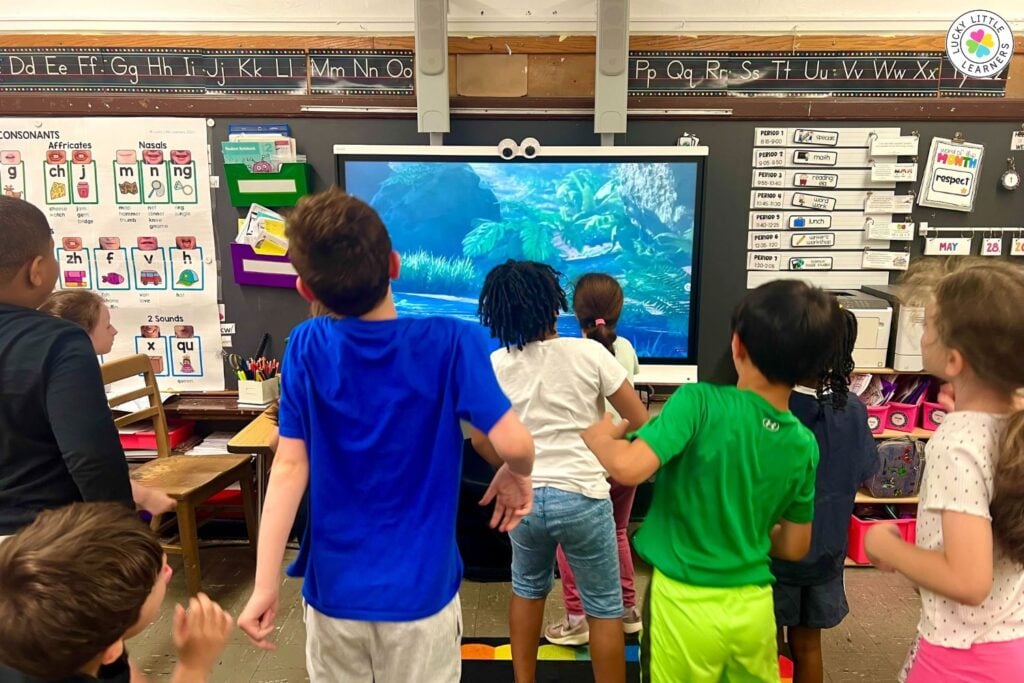
Build Movement Into Every Part of the Day
Kindergarten students need frequent movement opportunities to stay focused and regulated.
Simple ideas include:
- Freeze dance
- Movement songs
- Animal walks
- GoNoodle breaks
- Alphabet movement games
- Simon Says
Teacher Tip: Short movement breaks between lessons often prevent behavior problems before they start.
Practice Transitions Daily
Transitions can make or break a kindergarten classroom.
Practice:
- Walking to centers
- Cleaning up materials
- Moving to the carpet
- Lining up quietly
- Switching activities
The smoother your transitions become, the calmer your classroom will feel.
How Should You Set Up a Kindergarten Classroom?
Your classroom setup should support movement, play-based learning, and clear routines.
1. Create Clearly Defined Learning Areas
Kindergarten students do best when spaces have clear purposes.
Try creating separate areas for:
- Whole group instruction
- Small groups
- Dramatic play
- Reading
- Sensory activities
- Math manipulatives
- STEM bins
Using rugs, shelves, and labels helps students understand where activities belong.
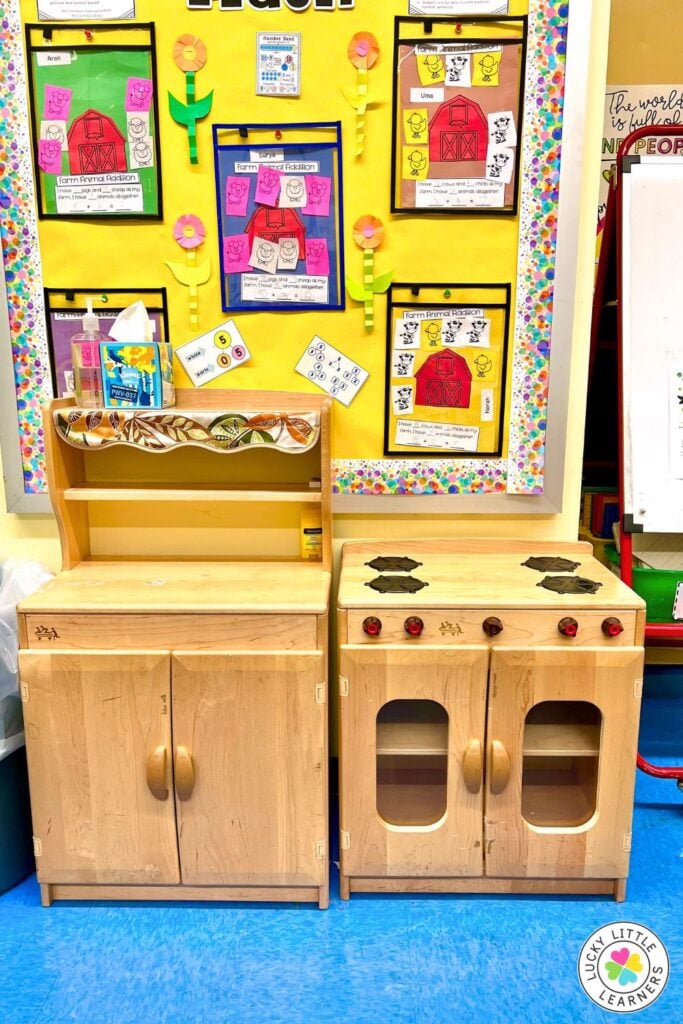
Teacher Tip: Adding a play kitchen to your classroom can help kindergarten students build language, social skills, problem-solving, and independence through purposeful play. Check out our post, Why a Play Kitchen Belongs in Every K–2 Classroom, for simple setup ideas and classroom benefits.
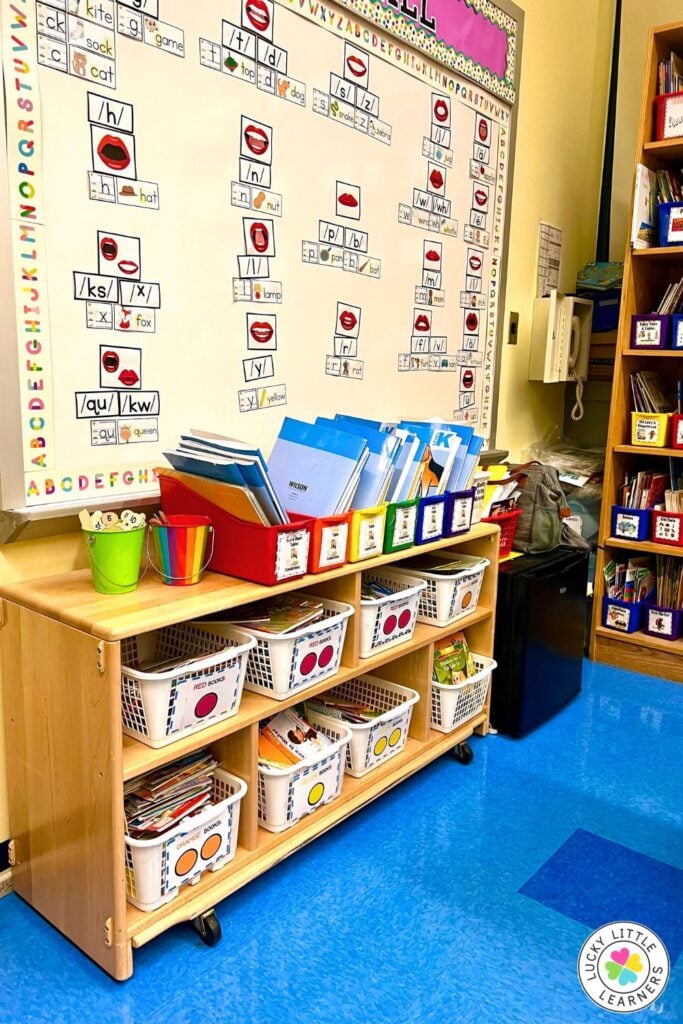
2. Keep Supplies Accessible and Visual
Kindergarten students need simple organization systems they can actually use independently.
Helpful organization systems include:
- Picture labels
- Color-coded bins
- Individual supply boxes
- Crayon caddies
- Visual cleanup labels

Teacher Tip: Use real photos on labels whenever possible so students can quickly identify where materials belong.
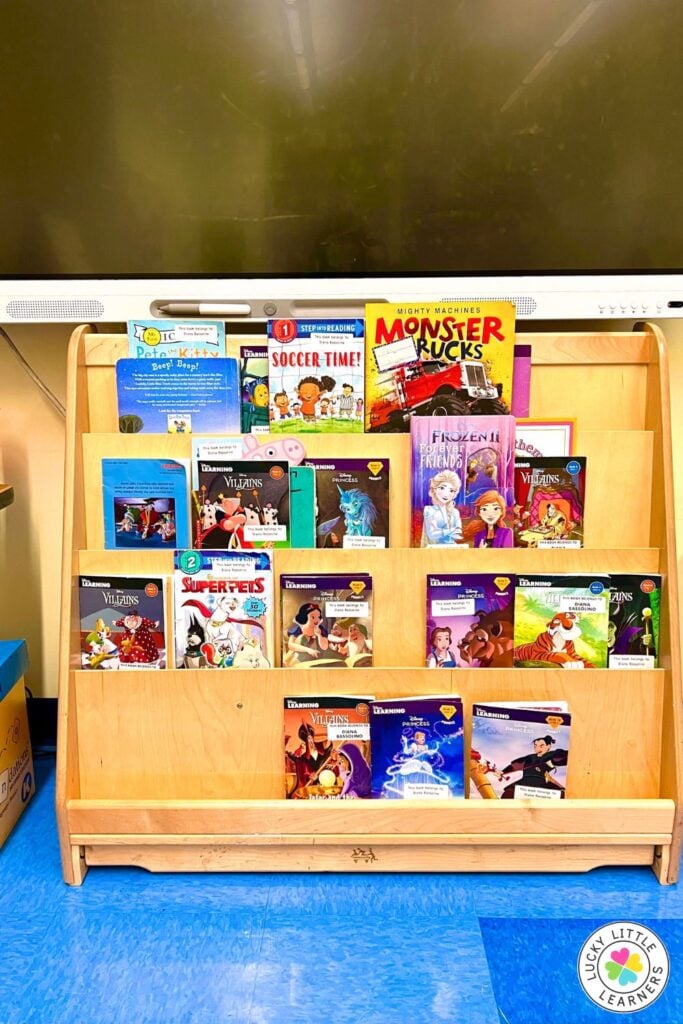
3. Build a Classroom Library Students Want to Explore
Kindergarten students benefit from highly visual book displays and easy-to-browse categories.
Try organizing books into themes like:
- Animals
- Fairy tales
- Families
- Seasons
- Transportation
- Feelings
- Alphabet books
Face-out book displays often work better than packed bins for young readers.
Organization Tips That Save Time
Kindergarten classrooms involve lots of prep, materials, and movement throughout the day.
Strong organization systems help everything run more smoothly.
1. Prep Centers in Advance
Store center materials in labeled tubs or drawers by skill or theme.
This makes rotations and lesson prep much faster during busy weeks.
2. Keep Extra Clothes and Supplies Handy
Accidents, spills, and lost supplies happen regularly in kindergarten.
Keep extra:
- Clothes
- Crayons
- Glue sticks
- Headphones
- Snack bags

Having backups nearby saves time and stress.
3. Prepare Independent Early Finisher Activities
Some kindergarten students finish activities much faster than others.
Keep easy grab-and-go options available like:
- Puzzles
- Fine motor bins
- Magnetic letters
- Picture books
- Play dough trays
- Directed drawings
This helps avoid unnecessary interruptions during small-group instruction.
Teacher Tip: Don’t rush academic rigor at the beginning of the year.
Strong routines, independence, and social skills create the foundation for successful learning later.
FAQs About Teaching Kindergarten
What is the hardest part about teaching kindergarten?
Many teachers say teaching routines and transitions is one of the biggest challenges. Kindergarten students are learning how school works while also learning academics.
How do you keep kindergarten students engaged?
Hands-on learning, movement, songs, visuals, play-based activities, and short learning segments help maintain engagement throughout the day.
What should every kindergarten classroom have?
Visual schedules, fine motor activities, hands-on manipulatives, picture labels, flexible seating options, and calming spaces are all helpful.
Where can new K-2 teachers find additional support?
If you’re looking for even more support, explore our K-2 new teacher guide filled with classroom management strategies, organization ideas, and time-saving resources for primary teachers.
Join our Free Community of Kindergarten Teachers!
Teaching kindergarten comes with big emotions, huge academic growth, and nonstop movement — and it helps to connect with teachers who truly understand the grade level.
Join our free Facebook group, Lucky Kindergarten Teachers, to swap ideas, ask questions, and get classroom-tested tips from other kindergarten teachers throughout the school year.