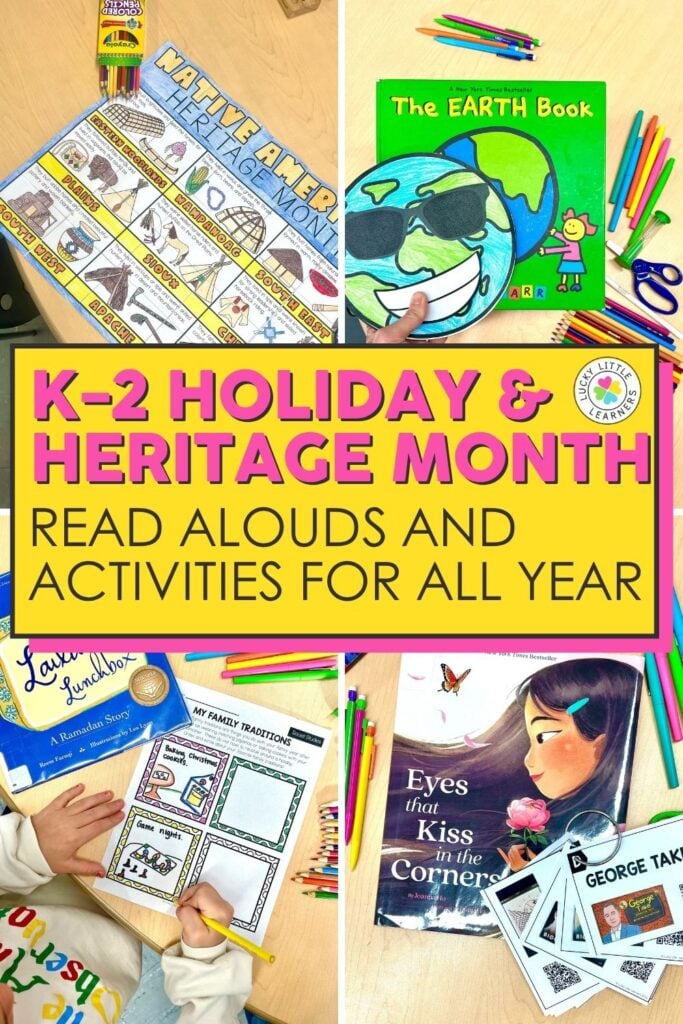
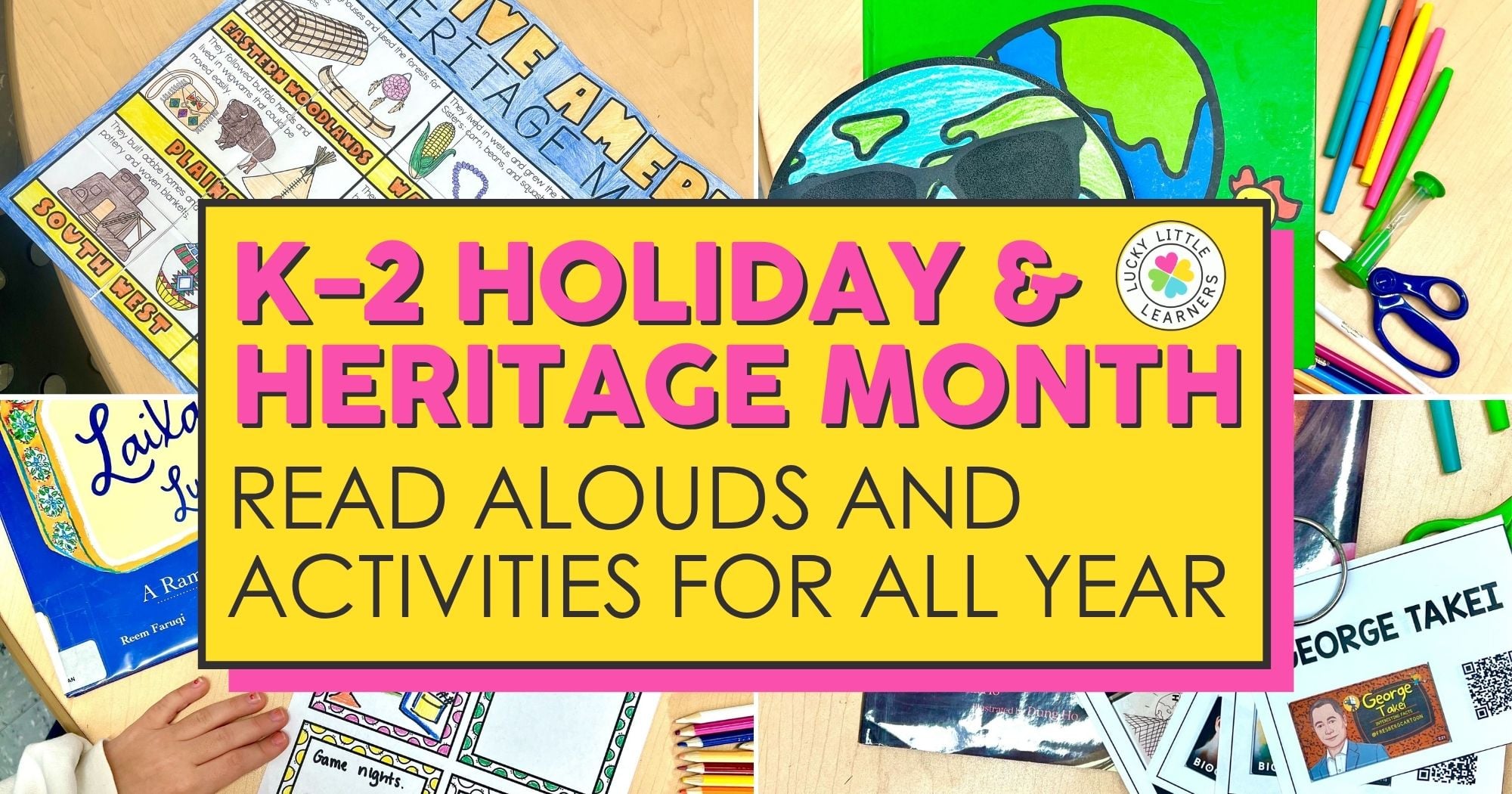
Planning for classroom holidays and heritage months can feel like one more thing on an already full plate, especially when you’re juggling a mix of skill levels, tight schedules, and limited prep time. That’s where this post comes in.
Think of this as your one-stop, done-for-you guide to meaningful classroom celebrations all year long, from Labor Day to Lunar New Year to Earth Day. Each section features a high-interest read aloud with a companion activity that’s easy to implement, engaging for K–2 students, and supportive of classroom routines. Whether you’re celebrating a seasonal holiday, spotlighting culture and identity, or starting meaningful conversations, there’s something here for every month of the school year.
Let’s make year-round celebration simple, inclusive, and fun for your students and your planning time!
September Holidays
1. Labor Day
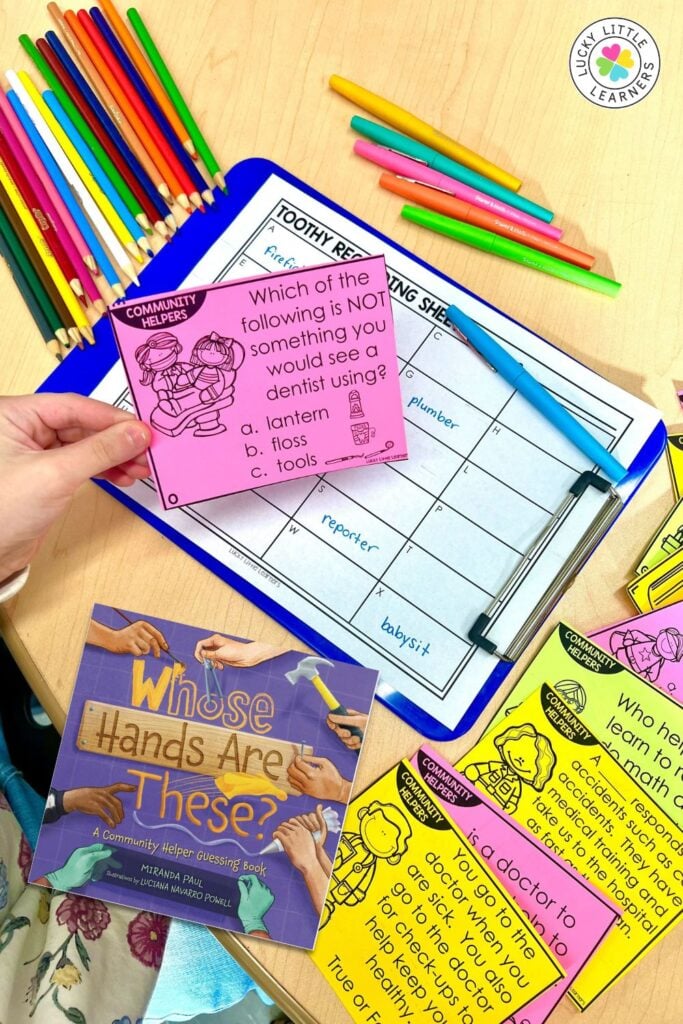
Read Aloud: “Whose Hands Are These? A Community Helper Guessing Book” by Miranda Paul
This interactive nonfiction book introduces students to a variety of community helpers through fun rhyming riddles and colorful illustrations. Each page gives clues about a profession and invites kids to guess before turning the page to see who it is. It’s ideal for K-2 because it supports vocabulary development, listening comprehension, and builds schema around people who help our communities — making it a natural tie-in to Labor Day
Activity: Community Helper Toothy
Use these engaging task cards projected on your Smart Board or printed for centers. Students match clues with community helpers to “complete the smile” on each Toothy character.
2. Patriot Day
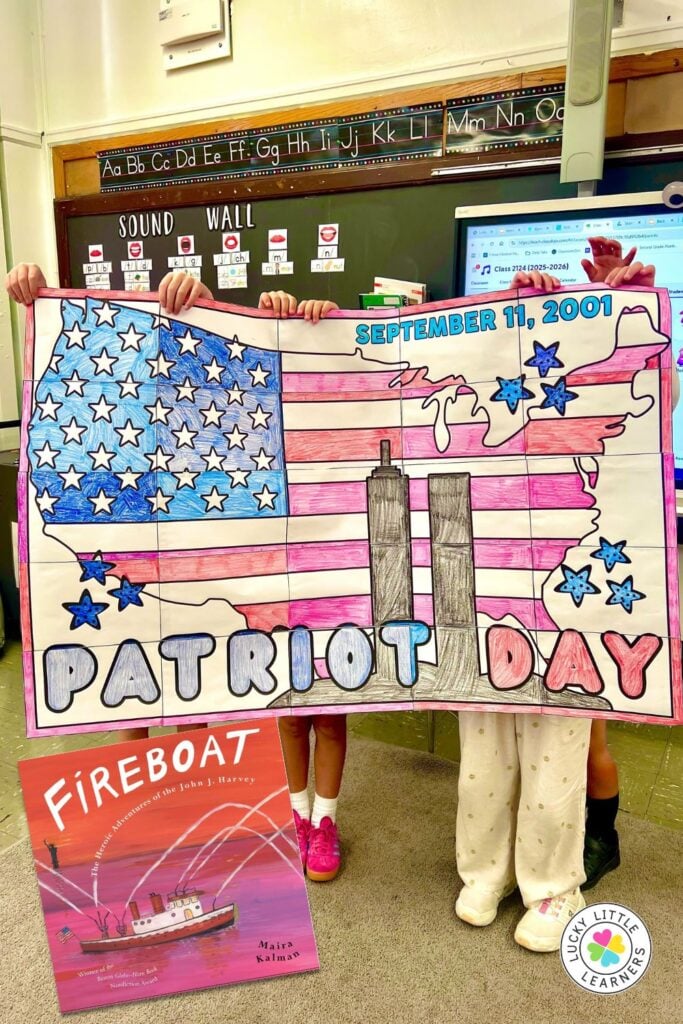
Read Aloud: “Fireboat: The Heroic Adventures of the John J. Harvey” by Maira Kalman
“Fireboat” tells a true story of a retired fireboat brought back to help during the events of 9/11 — it’s powerful but age-appropriate, with illustrations and tone suited for K-2. It introduces the concept of everyday heroes and community helpers, which ties perfectly to a shared art activity that honors unity and remembrance without being heavy or frightening for young learners.
Activity: Collaborative Patriot Day Poster
Students work together to color a large poster that commemorates Patriot Day. It includes both a color-by-code option for structured coloring and free-choice areas for creative expression.
3. Hispanic Heritage (Sept 15–Oct 15)
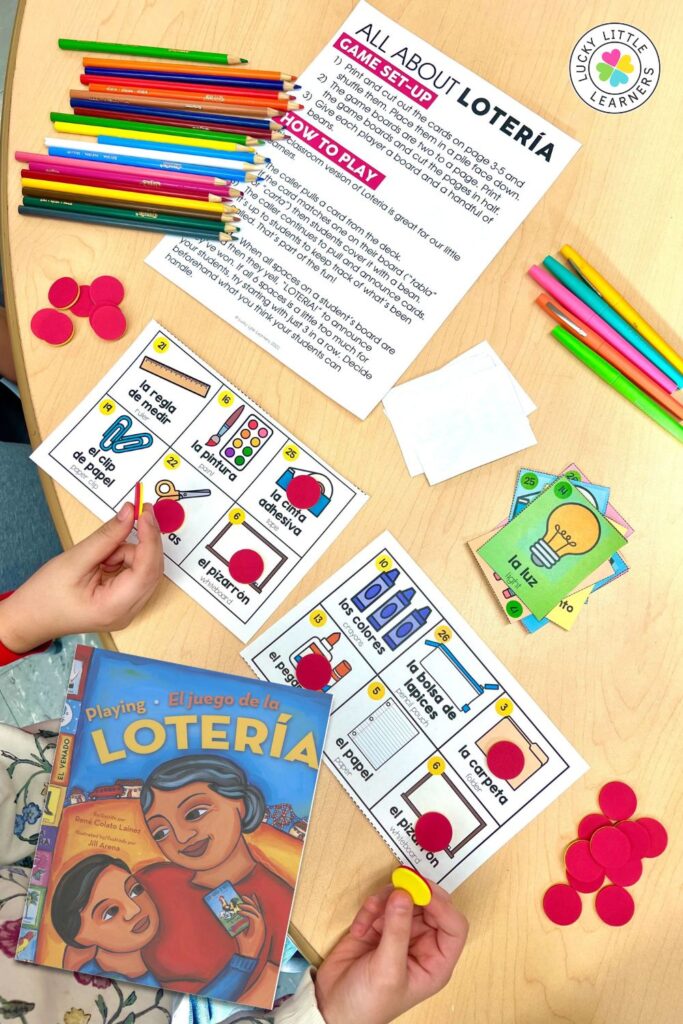
Read Aloud: “Playing Lotería / El Juego de la Lotería” by René Colato Laínez
This story naturally introduces students to the concept and visuals of Lotería while celebrating bilingualism and family ties. With both English and Spanish text throughout, it supports language development and cross-cultural appreciation — perfect for Hispanic Heritage Month and for K-2 students beginning to explore Spanish vocabulary. It also gives context to the Lotería game you’ll play afterward, making it more meaningful.
Activity: Spanish Vocabulary Lotería: School Edition
Bring cultural celebration and language learning together with this classroom-friendly version of Lotería — the traditional Mexican bingo game. This set focuses on Spanish vocabulary related to school and includes calling cards and game boards that are easy to print and use in centers, small groups, or whole class play. It’s a fun way to expose all learners to new language in a supportive, inclusive way.
October Holidays
Halloween (October 31)
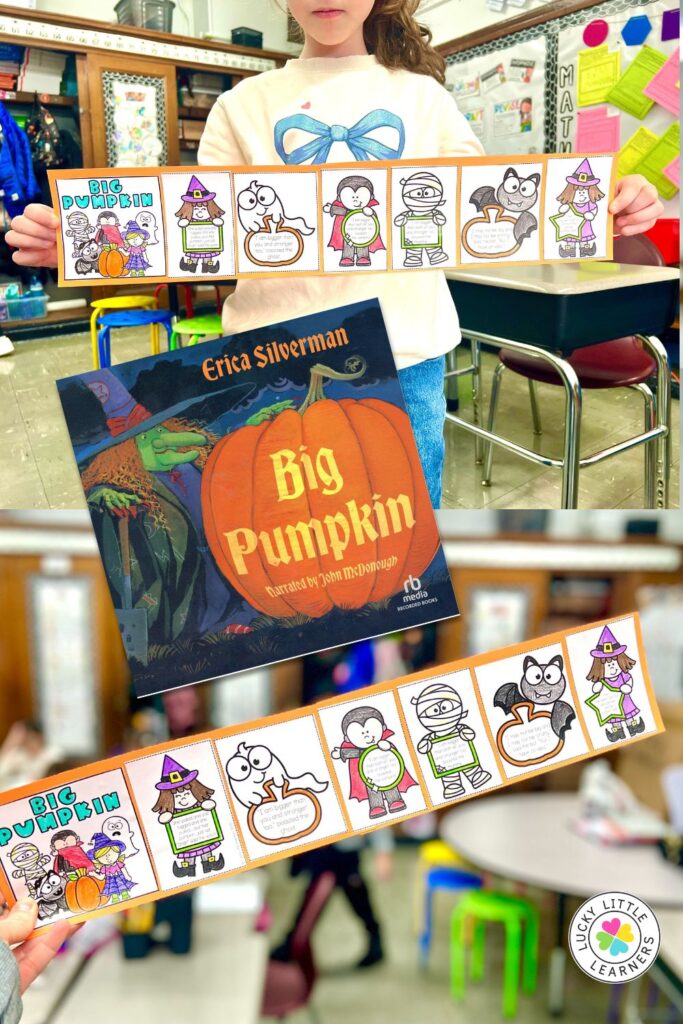
Read Aloud: “Big Pumpkin” by Erica Silverman
In this Halloween favorite, a witch plants a pumpkin to make pumpkin pie — but when it grows too big to pick, she needs help from some spooky (and silly) friends: a ghost, a vampire, a mummy, and a bat. This story is fun and repetitive, making it ideal for building oral language, sequencing, and prediction skills in K-2 students. The rhythm and cumulative structure make it highly engaging for read aloud time, and the teamwork theme gives it a sweet ending that kids remember year after year.
Activity: The Big Pumpkin Story Sequencing Craftivity
After the read aloud, students retell the story using this cut-and-paste sequencing activity. It reinforces comprehension through visuals and gives students a chance to practice ordering events — with a Halloween twist! Great for independent work or a literacy center.
November Holidays
1. Veterans Day (November 11)
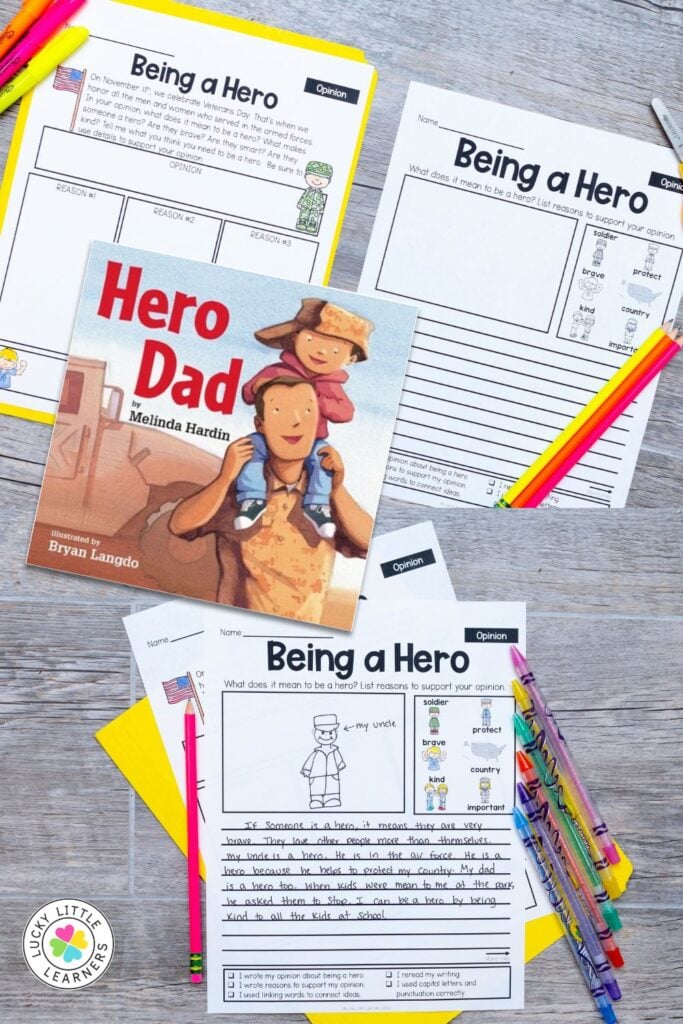
Read Aloud: “Hero Dad” by Melinda Hardin
This heartwarming book honors the children of military service members by showing how a dad in uniform is also a superhero in his child’s eyes. Through simple language and bold illustrations, it compares military roles to superhero qualities — making abstract concepts relatable for young learners. It’s especially fitting for Veterans Day, helping students appreciate the service of military families in an age-appropriate way.
Activity: Opinion Writing: What Makes Someone a Hero?
After reading and discussing the book, students write about what they think makes someone a hero. This opinion writing prompt helps them make personal connections while practicing sentence structure and supporting details. Includes primary writing lines and picture space, perfect for 1st grade but easily adaptable across K-2.
2. Native American Heritage Month
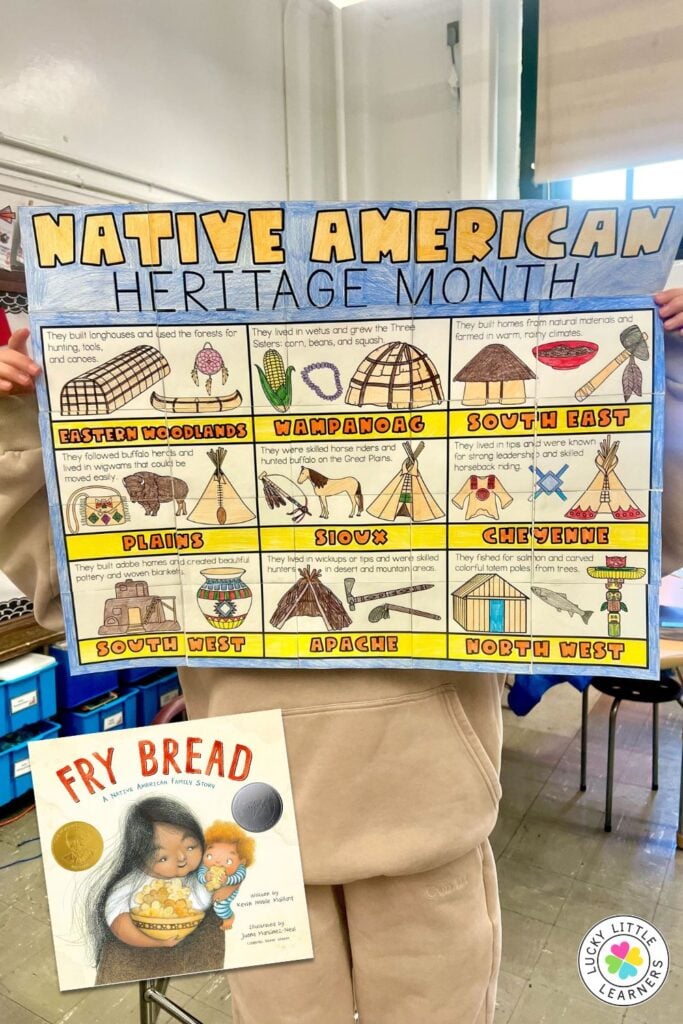
Read Aloud: “Fry Bread” by Kevin Noble Maillard
Fry Bread is a poetic, beautifully illustrated book that celebrates Native American culture, community, and tradition through the lens of food and family. Each page shares simple, powerful descriptions of what fry bread is — not just as food, but as history, art, and identity. This read aloud opens the door for inclusive conversations and helps students recognize the diversity within Native cultures in a way that’s age-appropriate and affirming.
Activity: Native American Heritage Collaborative Poster
3. Thanksgiving (Late November)
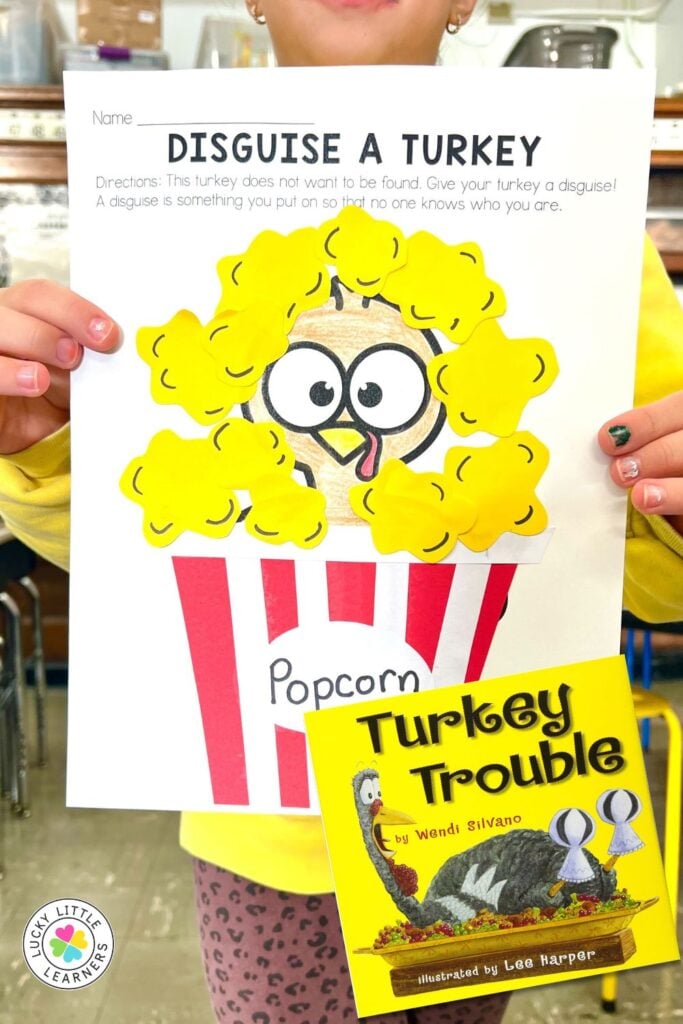
Read Aloud: “Turkey Trouble” by Wendi Silvano
This super funny story follows a clever turkey trying to avoid becoming Thanksgiving dinner. He disguises himself as other farm animals, but none of them work, until he comes up with a tasty solution. With predictable patterns and a humorous tone, this book is a hit with K-2 students. It’s a great launchpad for writing, problem-solving, and creativity.
Activity: Turkey Disguise Project
After the read aloud, students use the Disguise a Turkey template to help their turkey hide from Thanksgiving dinner. They choose a costume, decorate their turkey, and write a short description of the disguise. This activity supports creativity, fine motor skills, and writing — plus, it makes for an adorable bulletin board display!
December Holidays
1. Christmas (December 25)
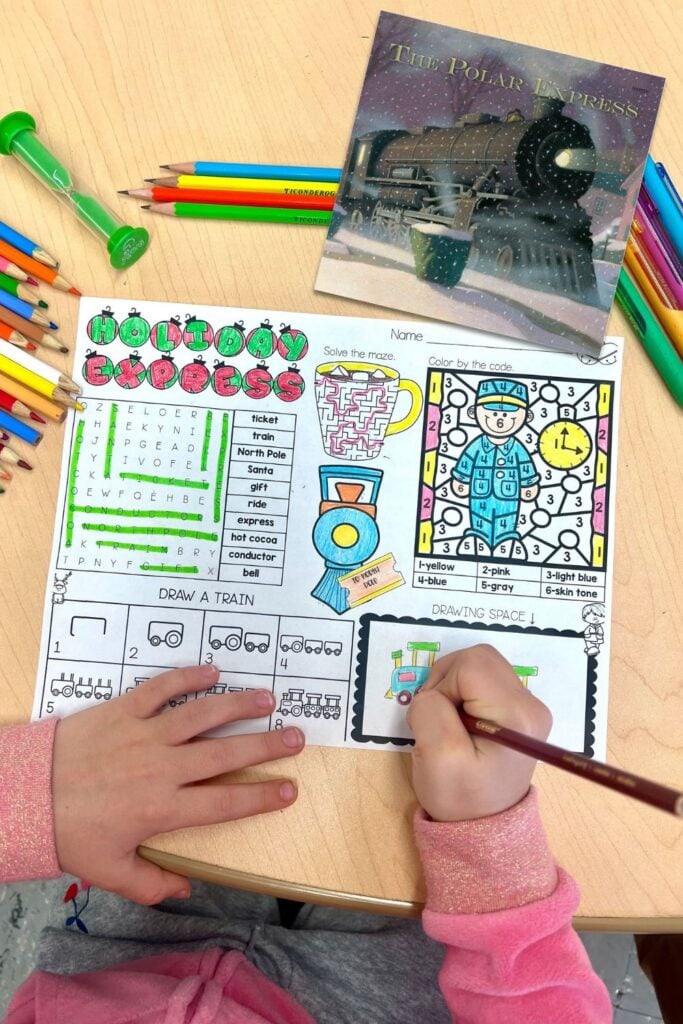
Read Aloud: “The Polar Express” by Chris Van Allsburg
Activity: Holiday Express Placemat
This festive placemat is packed with Polar Express-themed activities — perfect for a classroom transformation day or a cozy winter celebration. Just like the fun sheets kids get at restaurants, this version includes coloring, puzzles, and themed tasks that keep students engaged while reinforcing literacy and fine motor skills. Use it during your classroom pajama day or as a quiet, independent activity after the read aloud.
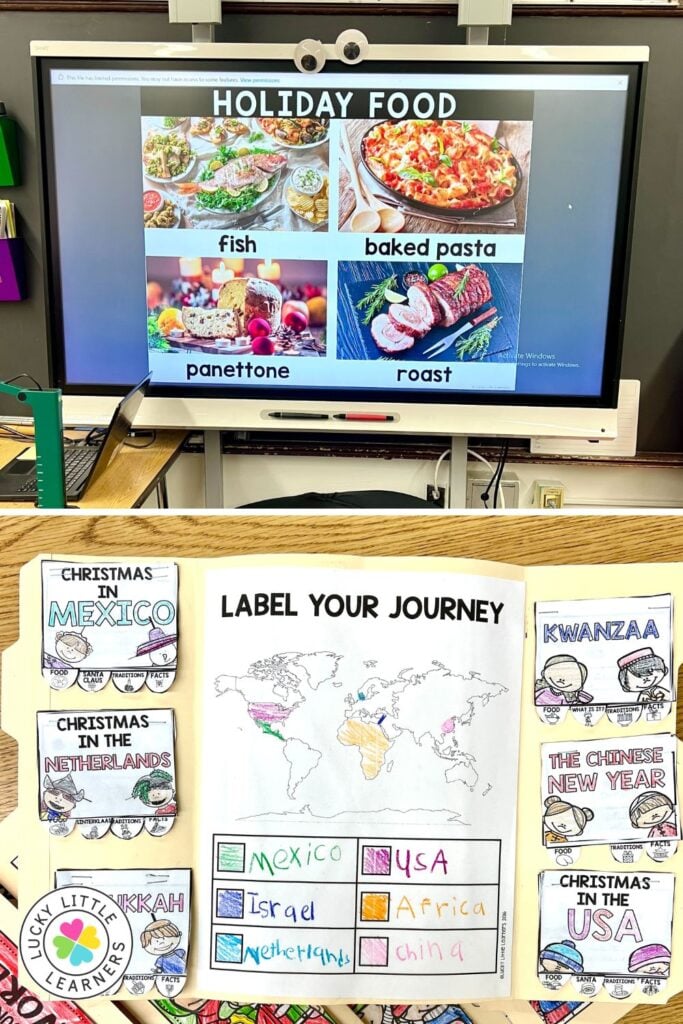
2. Holidays Around the World
Read Aloud: Take a tour around the world with your favorite Holidays Around the World Teaching Slides!
Activity: Students create a lapbook that tracks the holidays they learn about, with cut-and-paste elements for each country or celebration. This interactive notebook becomes a personalized keepsake — and helps students organize and reflect on what they’ve learned.
January Holidays
1. New Years
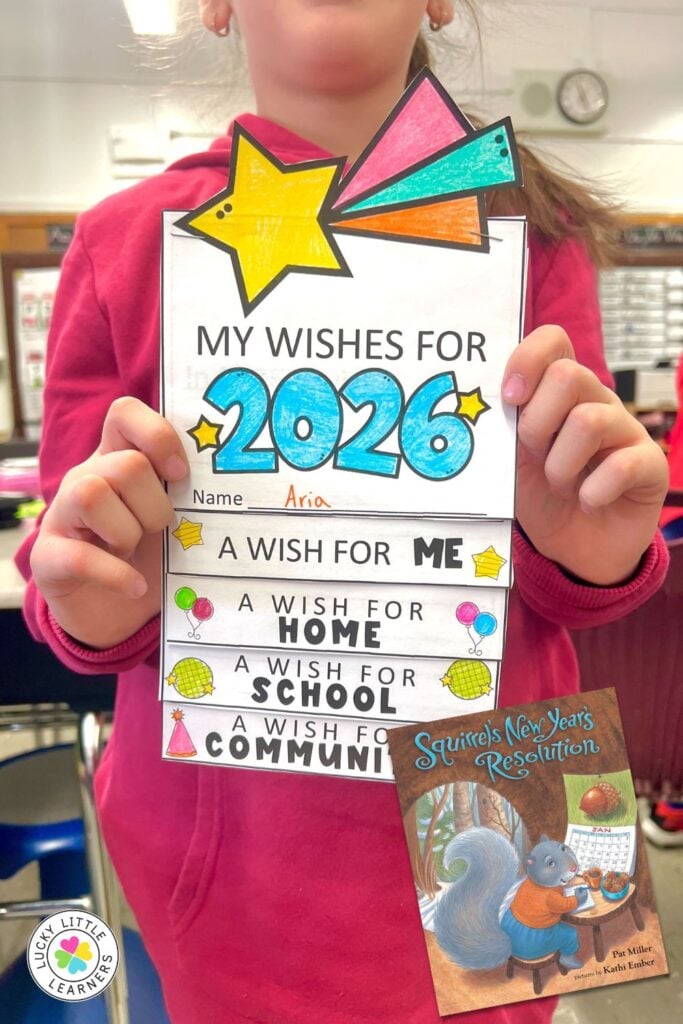
Read Aloud: “Squirrel’s New Year’s Resolution” by Pat Miller
This lighthearted story follows Squirrel as she looks for a New Year’s resolution of her own. Along the way, she learns about helping others and setting goals. The message is perfect for younger learners and easily opens a discussion on kindness, self-improvement, and trying new things.
Activity: New Year’s Goals Flipbook
Students write wishes and goals for themselves, home, school, and their community. Includes editable pages so you can customize prompts to your class’s needs. Easy to staple and display or send home as a keepsake.
2. Martin Luther King Jr. Day
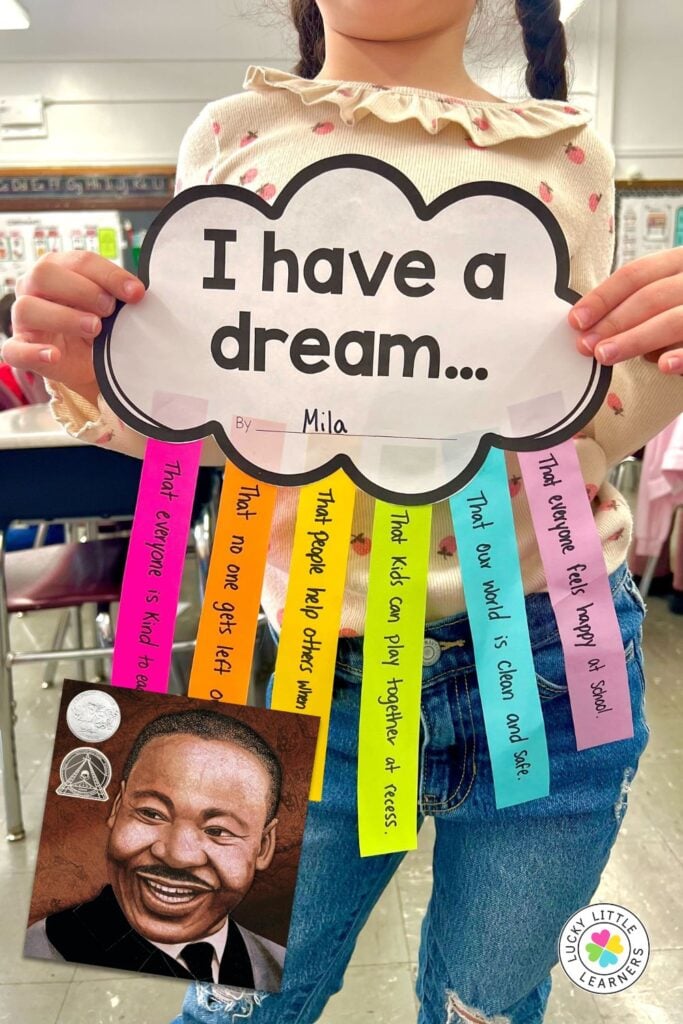
Read Aloud: “Martin’s Big Words” by Doreen Rappaport
This powerful picture book introduces young learners to the life and legacy of Dr. Martin Luther King Jr. through a mix of narrative text and direct quotes from Dr. King himself. The book highlights key moments from his childhood, leadership, and dream for equality — all accompanied by bold, emotionally rich illustrations. It’s especially effective for K–2 students because it presents complex ideas like justice, peace, and fairness in language they can begin to understand. A great conversation starter for how even small voices can make a big difference.
Activity: “I Have a Dream” Rainbow Craft Writing
After discussing Dr. King’s dream, students reflect on their own hopes for the world — at school, at home, or in their communities. They complete the sentence: “I have a dream…” on a printable cloud template and attach colorful rainbow strips where they write their personal dreams. This craft makes a meaningful and bright classroom display while reinforcing sentence structure, self-expression, and social-emotional learning.
3. Black History Month
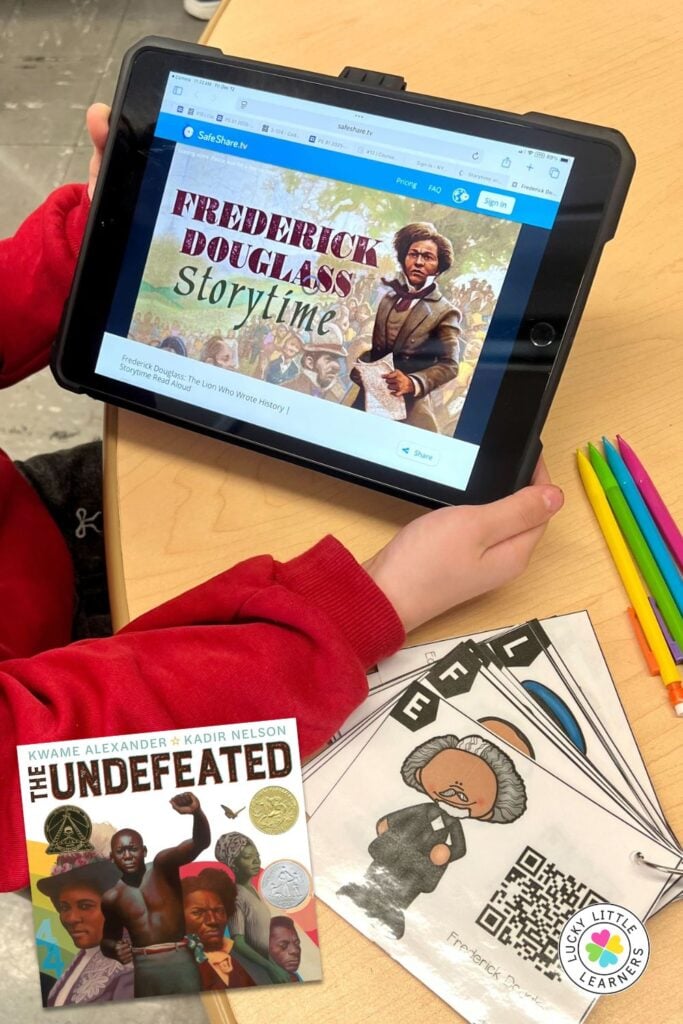
Read Aloud: “The Undefeated” by Kwame Alexander
This powerful, poetic book honors the strength, beauty, and legacy of Black Americans throughout history. The bold illustrations and impactful words make it an excellent introduction to important figures, achievements, and resilience. It’s best read slowly and followed by thoughtful class discussion.
Activity: Everyday Undefeated: Video + Portrait Gallery Activity
After reading, give students time to explore short, kid-friendly videos about inspiring Black figures in history. Download this QR code sheet with videos already embedded for you. Students choose someone who stood out to them and draw a portrait of that person. Then they write one or two sentences about what made that individual brave, strong, or important. Compile the portraits into a powerful classroom gallery titled “Everyday Undefeated.”
February Holidays
Valentine’s Day (February 14)
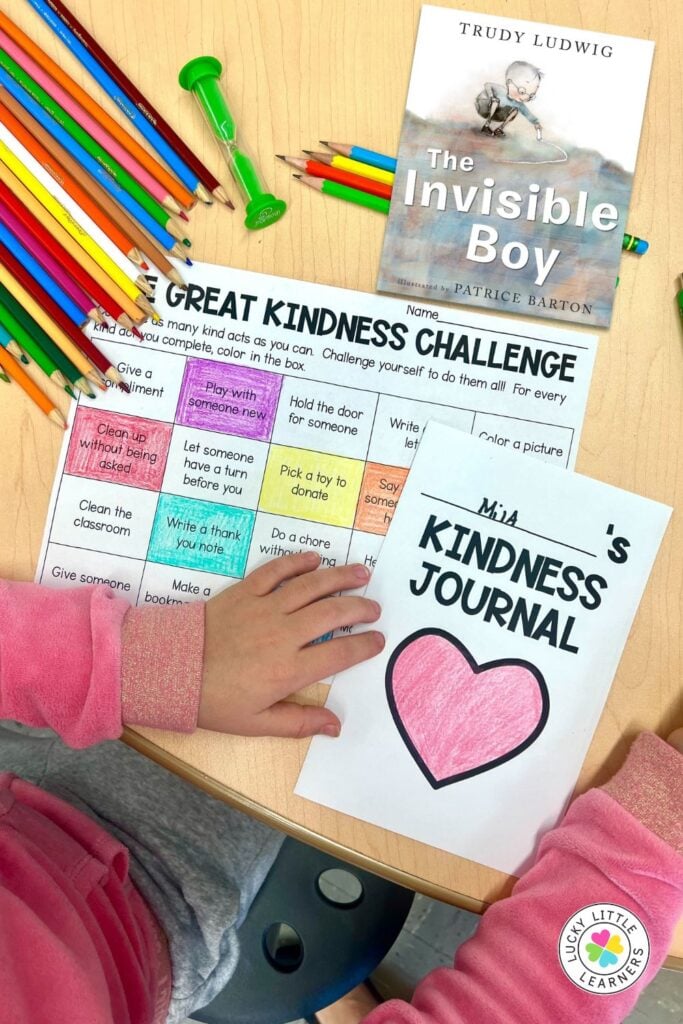
Read Aloud: “The Invisible Boy” by Trudy Ludwig
This gentle yet powerful story follows Brian, a quiet boy who often goes unnoticed by his classmates. When a new student arrives, Brian shows kindness — and that small gesture helps him become seen in a new light. The story emphasizes empathy, inclusion, and the power of noticing others, making it a perfect launchpad for kindness discussions in K–2 classrooms. It’s especially meaningful in February when you’re focusing on friendship, social-emotional growth, and making everyone feel like they belong.
Activity: Kindness Challenge
After the read aloud, introduce this interactive Kindness Challenge — a bingo-style activity board with 20 simple, student-friendly acts of kindness (like “Invite someone new to play” or “Give a compliment”). Students color in each square as they complete it throughout the week or month. It’s a fun and low-prep way to help kids put empathy into action and build a caring classroom community.
March Holidays
1. Read Across America (Early March)
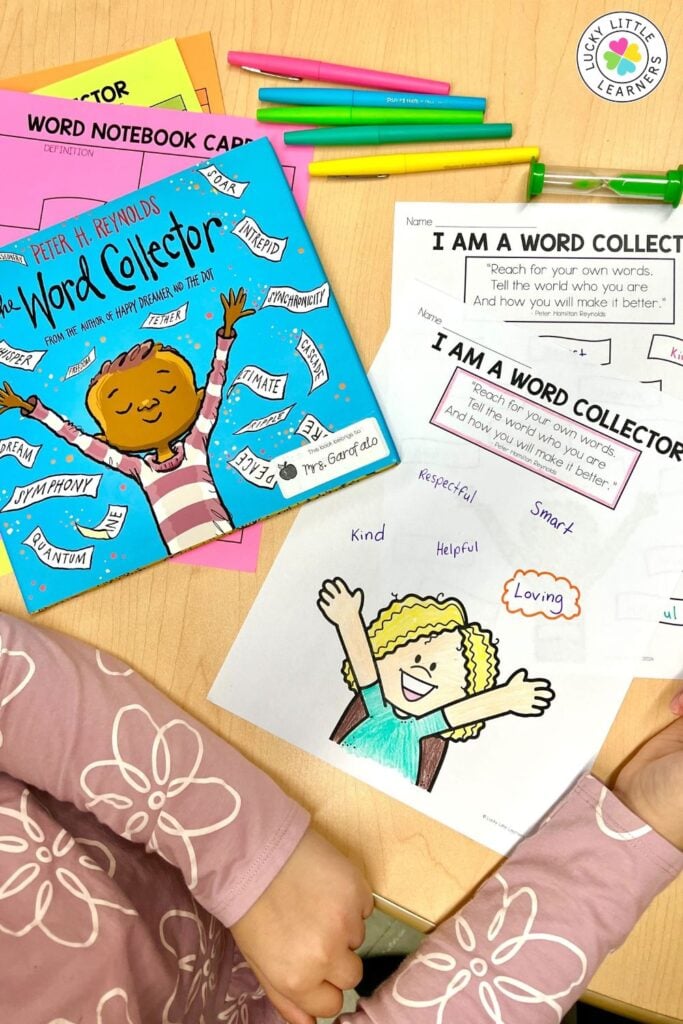
Read Aloud: “The Word Collector” by Peter H. Reynolds
In this inspiring story, Jerome loves collecting words — short ones, long ones, and meaningful ones. It encourages a love of language and is perfect for celebrating books, creativity, and voice. A beautiful reminder that words matter.
Activity: Word Collector Week: Literacy, Craft, and Vocabulary Exploration
This companion set includes a variety of flexible activities that can be used for a single day celebration or extended into a full week. Students build vocabulary, reflect on the words that matter to them, and create visuals that turn your classroom into a celebration of language.
Included activities:
- Word Collection Sheets – Students collect new and interesting words from books, conversations, or lessons throughout the day or week.
- Vocabulary Notebook Cards – Students write the word, define it, draw it, and list synonyms and antonyms using a kid-friendly dictionary.
- “I Am a Word Collector” Craft – Students glue collected words onto a printable figure (Jerome, clipart characters, or a photo of themselves). They decorate and personalize it to reflect their learning.
- Word Collector Bulletin Board – Create a classroom display with word strips or speech bubbles showing the words students collected. Arrange them to appear as if they’re flying through the air, just like in the story.
These activities are simple to prep, fun to implement, and deeply connected to vocabulary development and classroom community.
2. St. Patrick’s Day (March 17)
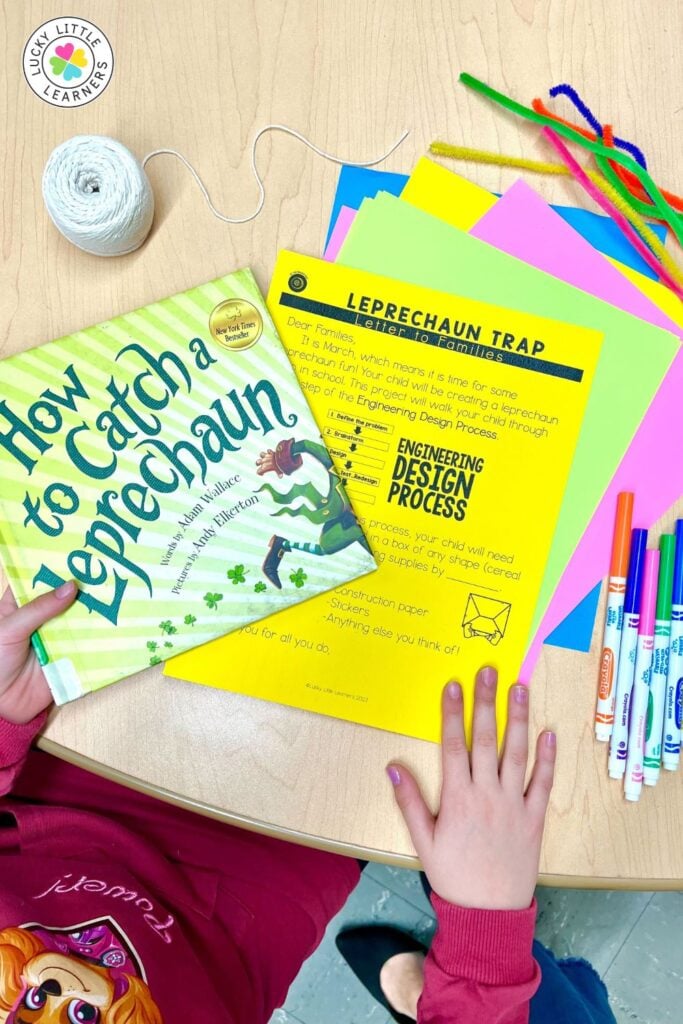
Read Aloud: “How to Catch a Leprechaun” by Adam Wallace
This playful rhyming story takes students on a fast-paced adventure as a sneaky leprechaun avoids every trap set to catch him. With clever language and colorful illustrations, the book is packed with humor and mischief—making it a hit with K–2 students. It encourages problem-solving and creativity as kids think about how they might design a better trap. The predictable text structure supports fluency and engagement, making it an ideal read aloud for St. Patrick’s Day or a classroom STEM challenge.
Activity: STEM Trap Challenge
Students build their own leprechaun traps using simple materials (cups, pipe cleaners, paper, etc.) and draw/write a plan. Great for fine motor skills, problem-solving, and collaborative fun.
3. Easter (March or April)
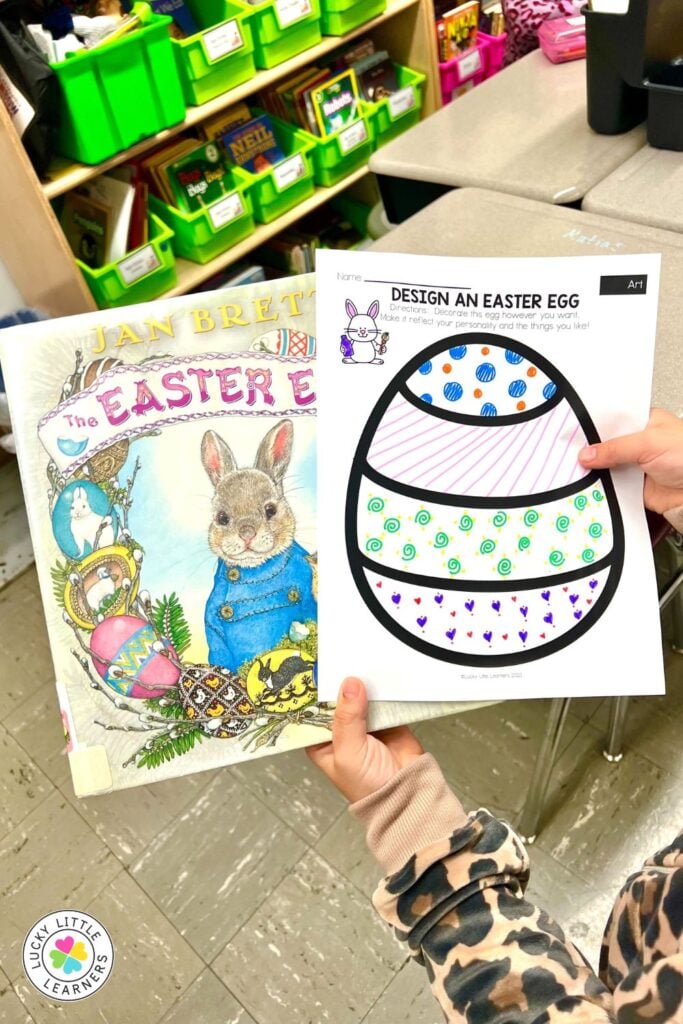
Read Aloud: “The Easter Egg” by Jan Brett
In this sweet springtime story, Hoppi the bunny wants to make the most beautiful Easter egg so he can help the Easter Rabbit with deliveries. He visits other bunnies who are working on amazing, creative eggs and starts to feel unsure about what to make. But when he stops to help a mother robin care for her egg, he ends up doing something even more meaningful.
This book has gorgeous illustrations (classic Jan Brett!) and a heartwarming message about kindness and doing what’s right. It’s a great read for K–2 students around Easter or spring, especially if you’re focusing on themes like helping others or not giving up.
Activity: Decorate Your Own Egg Pattern Writing
Students design their own Easter egg and write a short descriptive paragraph. You can also turn this into a classroom “egg gallery.”
4. Women’s History Month
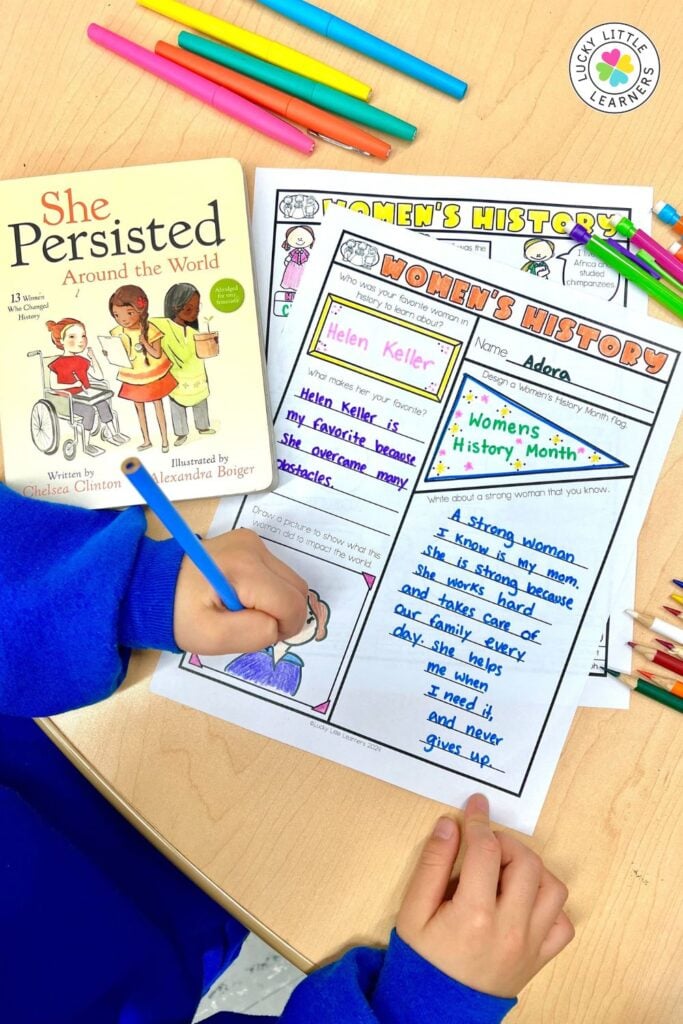
Read Aloud: “She Persisted” by Chelsea Clinton
This book shares short stories about 13 women who didn’t give up, even when things were tough. Each one stood up for something important and made a difference in the world. It’s a great intro to perseverance and showing kids how real people can make change.
Activity: Women’s History Month One-Pager
This one-page activity is a great companion to She Persisted because it gives students a chance to reflect on the women they learned about in a creative and personal way. They choose a favorite woman from history, explain what made her inspiring, draw a picture of her impact, and also write about a strong woman in their own life. With the added option to design a Women’s History Month flag, this activity blends writing, drawing, and personal connection—making it both meaningful and accessible for K–2 learners.
April Holidays
1. Earth Day (April 22)
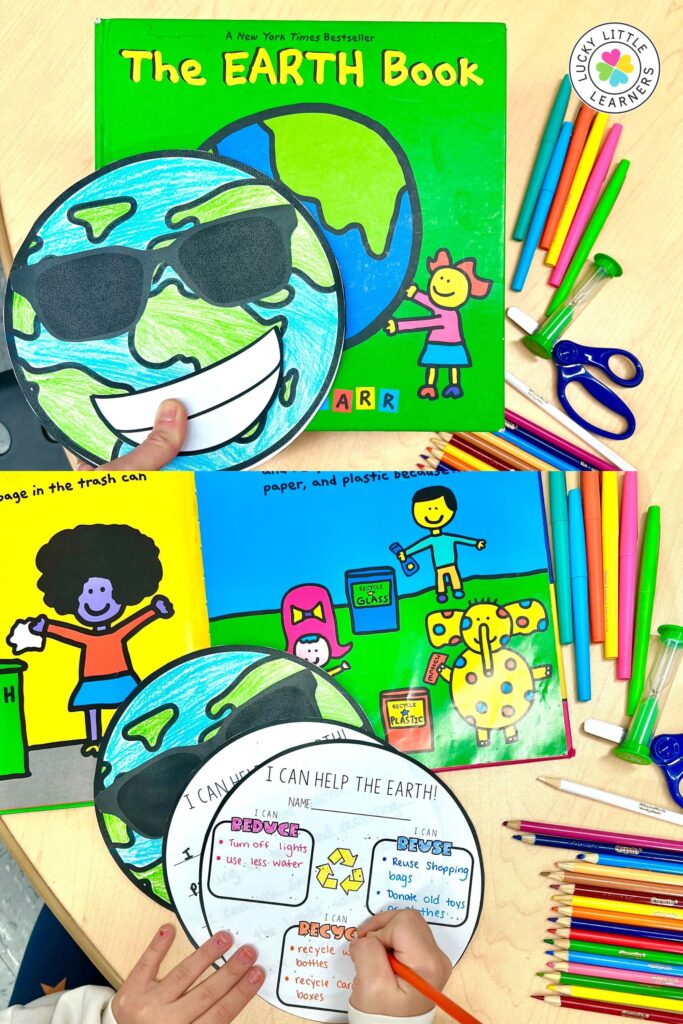
Read Aloud: “The Earth Book” by Todd Parr
Todd Parr makes big ideas simple, and this book is no exception. Each page gives a kid-friendly tip for helping the Earth, like turning off lights or using both sides of paper. The bright illustrations and easy text make it perfect for a quick Earth Day lesson or a whole class brainstorm.
Activity: Earth Emojis
After reading The Earth Book, invite your students to create their own Earth Emoji to show how they can help protect the planet. This hands-on craft includes a fun emoji-style Earth cover and writing pages where kids list ways they can reduce, reuse, and recycle. Students personalize their emoji with different eyes, mouths, and accessories, making each one unique. It’s a creative, low-prep activity that reinforces Earth-friendly habits in a kid-friendly way — and makes a great hallway display for Earth Day!
2. Arab American Heritage Month
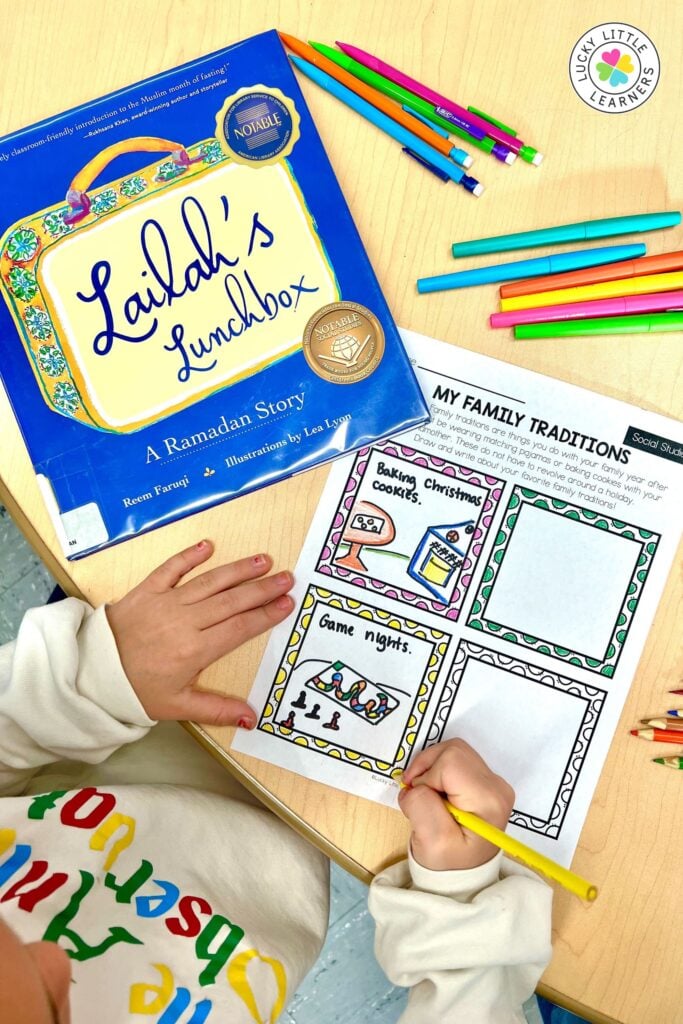
Read Aloud: “Lailah’s Lunchbox” by Reem Faruqi
Lailah is nervous about fasting for Ramadan at her new school. She’s not sure how to explain it to her classmates and teachers. This story shows how she finds the courage to share her tradition. It’s a really thoughtful way to introduce students to new cultures and celebrations.
Activity: My Special Tradition Drawings
After reading Lailah’s Lunchbox, invite students to think about a special tradition, holiday, or family routine that’s meaningful to them—just like Lailah’s experience with Ramadan. Students will complete a mini booklet or a simple worksheet where they draw a picture of their traditions and write a few sentences explaining what it is, who they share it with, and why it’s special.
May Holidays
1. Mother’s Day
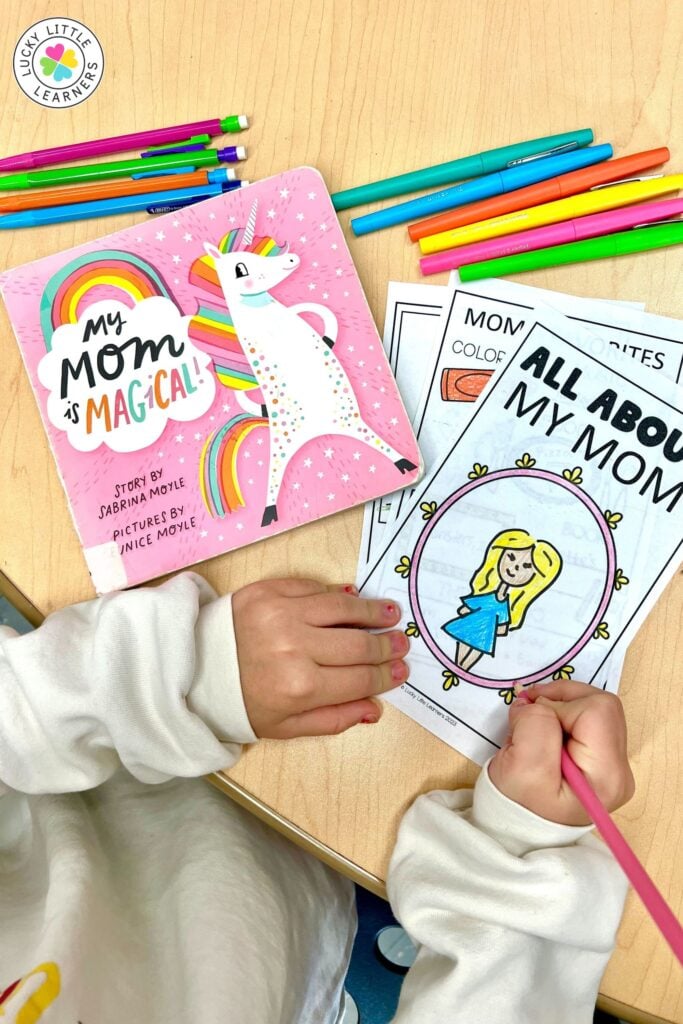
Read Aloud: “My Mom is Magical” by Sabrina Moyle
Short, silly, and full of love — this book celebrates everything that makes moms amazing (from snacks to snuggles). Super easy read aloud for younger kids, and a fun way to start a Mother’s Day writing or craft activity.
Activity: All About My Mom Mini Books
This sweet and simple mini book gives students a chance to share what makes their mom (or another special caregiver) so great. Each page features easy-to-complete prompts like “My mom’s favorite food is…” and “She is really good at…” along with space for drawings. The activity encourages writing, creativity, and personal connection—all in a kid-friendly format that makes a meaningful Mother’s Day gift. Download our editable version and change the title to All About _______ for children who want to write about a special lady in their lives they do not call “Mom”.
2. Asian American and Pacific Islander (AAPI) Heritage Month
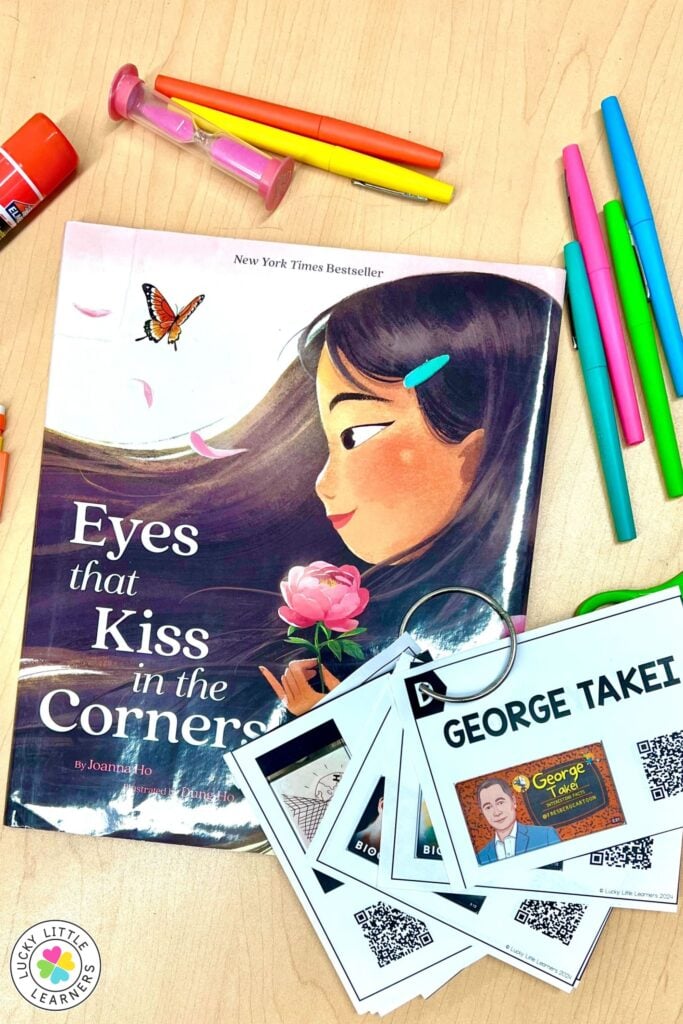
Read Aloud: “Eyes That Kiss in the Corners” by Joanna Ho
This book is all about a little girl who notices that her eyes are different from her classmates — and she learns to love them because they remind her of her mom, grandma, and culture. It’s sweet, lyrical, and a great way to talk about self-love, family, and identity.
Activity: QR Code Videos About Influential Asian Americans
This QR code activity is a great follow-up to an Asian American and Pacific Islander (AAPI) Heritage Month read aloud like Eyes That Kiss in the Corners. Students scan cards linked to short, age-appropriate videos that highlight influential AAPI individuals in history, science, arts, and activism. After watching, they can choose one person to respond to through drawing, writing, or class discussion. It’s a simple way to bring history to life, spark curiosity, and help K–2 learners connect with real-world role models in a format that’s interactive and easy to manage.