
Helping students become authors can be challenging. Many students struggle with content ideas, getting started and lack interest or confidence in writing. However, there is a solution that helps students overcome these writing hurdles: guided writing! Keep reading for tips & tricks (as well as resource ideas) to implement guided writing in your classroom and watch student writing soar!

What is guided writing?
You might be asking, what is guided writing? So, before we dig in, let’s take a deep dive into the definition.
Guided Writing is a bridge between shared writing and independent writing, a scaffold that supports students with helpful tools as they move into writing on their own. Guided writing lessons may occur with the whole class or in small teacher led groups. Students contribute to a group practice piece of writing before writing on their own.
Lori Oczkus, author of Guided Writing: Practical Lessons, Powerful Results
In other words, it is a type of writing instruction that fits between teacher modeled writing and independent writing. Implementing guided writing into your writing block can allow for small group or one-on-one instruction. This individualized instruction will benefit writing confidence and skills.

So, how to start guided writing? What lessons to teach? What materials are needed? Read on!
How to Implement Guided Writing
Some teachers prefer to teach guided writing as a whole group, but for better differentiation, I recommend small group instruction. Guided writing is a core component of Lucky to Learn Writing (LTLW), particularly found in the “practice” section, which embraces the “we do” approach of lessons. This method allows you to set up guided reading groups by focusing on specific writing skills and seamlessly integrates guided writing into everyday learning.
- Small Group Emphasis: For more targeted instruction, consider setting up small groups based on specific writing skills. Use the intervention ideas from LTLW lesson plans (1st grade and 2nd grade) to meet student needs effectively.
- Customized Focus: Choose a unique skill for each group, tailoring lessons to benefit students at their respective levels.
- Independent Work Ideas: While you meet with each group, other students work on independent tasks like editing, proofreading, or journaling.
Sample Weekly Guided Writing Schedule
Let’s take a look at how writing groups could look in your classroom. In this example, the teacher is teaching a personal narratives unit. She is focusing on choosing what to write about and the drafting process.

This schedule would continue into week two, with students finished drafting, editing, publishing and sharing.
Useful links from the lesson plan
- Video: Ralph Tells His Story
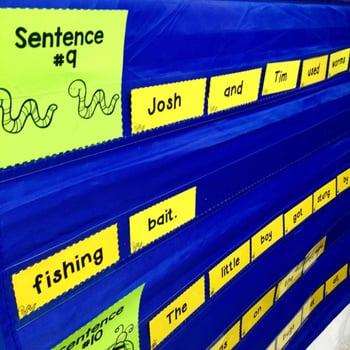
2. Sentence Scrambles for Independent Work
Read about them here: Practice Writing Sentences with Sentence Scrambles
3. Graphic Organizers

We have printable organizers for EVERYTHING. Browse our organizers right here.
4. Guided Writing Model Works for ALL Writing Types
It is a great idea to hold guided writing groups for ALL types of writing! Writing groups ensure students can feel success and get teacher instruction in their individual areas of need.
Follow this model for guided writing:
- Model the chosen focus skill or writing type
- Have resources for students to use: graphic organizers, mentor texts
- Meet with students based on skill needs
- Teachers demonstrate how to edit
- Students continue to work on sentence writing skills/editing throughout the writing units
Tip: You don’t have to re-invent the writing lesson wheel!
If you’d love to have whole group, small group, guided writing, and independent writing ALL planned and ready to print, check out Lucky to Learn Writing! This full year curriculum is equipped with daily lesson plans, skills practice, teaching slides, lesson videos, embedded grammar skills, intervention ideas and more!

Join All Access to download your full year of writing lessons and more!

One Response
Love all your resources!