Something BIG is coming Nov 23!

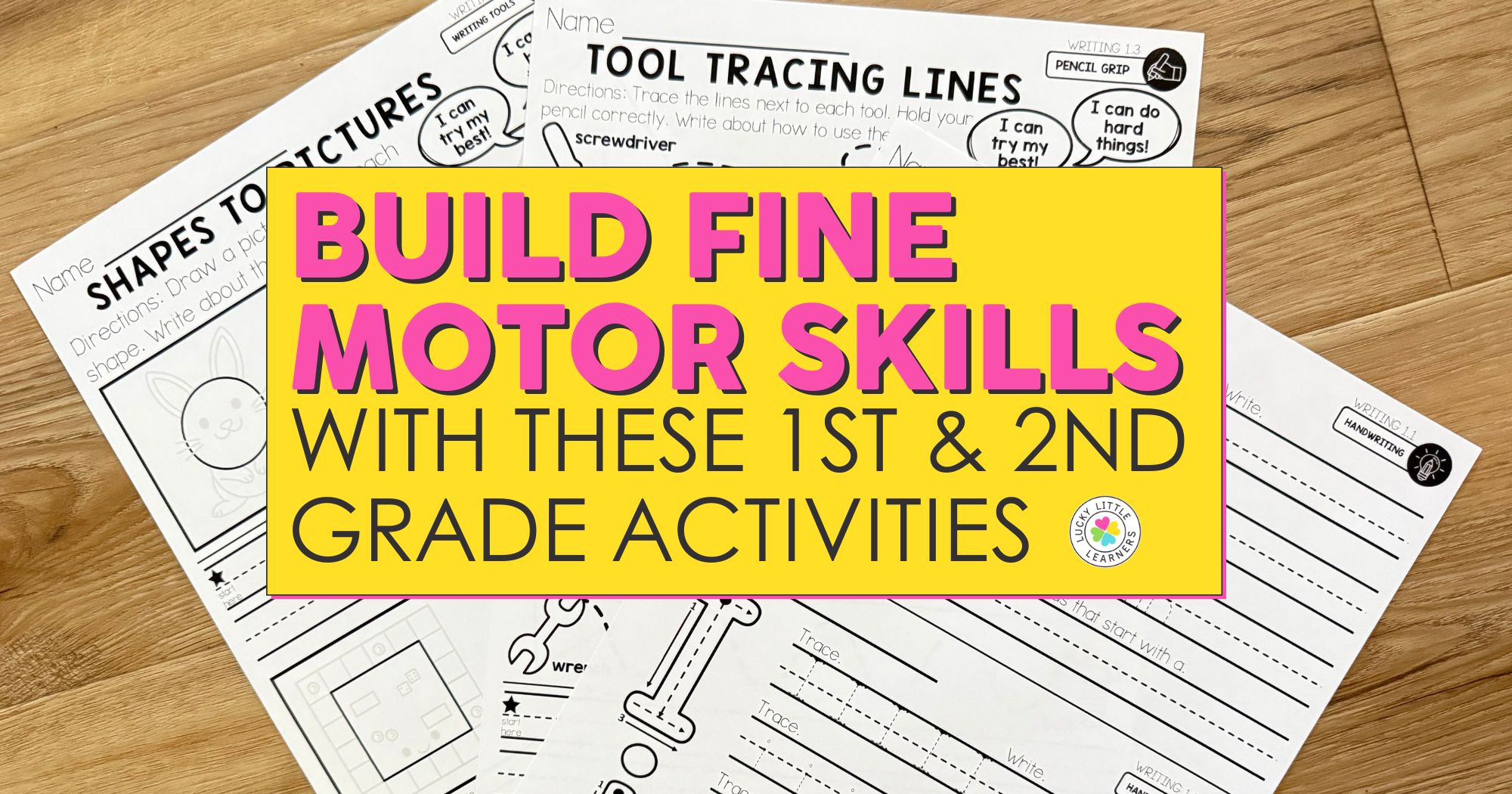
Build Fine Motor Skills With These 1st & 2nd Grade Activities

Messy handwriting. Difficulty drawing or coloring. Low stamina for typing. Frustration when cutting with scissors. Does this sound like one of your students? Fine motor skills play an important role in academic and personal success. What can teachers do if they observe student fine motor

The b and d Dilemma: A Teacher’s Guide to Letter Reversals

Have you noticed some of your students turning their letters into acrobatic champions, flipping and reversing all over the page? Well, guess what? Until about the ripe old age of 8 or 9, kids can basically be letter gymnasts, and that’s totally normal! And nope,

How to Set Up a Writing Stamina Station

Do your students struggle to keep writing beyond a few sentences, losing focus or energy too quickly? This easy-to-set-up station encourages students to gradually increase their writing time in a fun, engaging way, without overwhelming them. In this post, we’ll explore the benefits of a

Writing Support for English Language Learners

Writing is such a great way to help students grow their language skills! Lucky to Learn Writing makes it easier for English Language Learners (ELLs) by offering fun, structured activities that support their writing development every step of the way. Now let’s dive into the

Educational writing curriculum for 1st and 2nd grade students, featuring colorful worksheets and activities from Lucky Little Learners.

Writing Curriculum for 1st and 2nd Grade: Lucky to Learn Writing

Struggling to teach writing effectively while keeping your students engaged? Or, are you seeing a lack of writing skill growth? If you answered yes to either of these questions, our easy to follow, Science of Reading aligned curriculum, Lucky to Learn Writing, covers all those

Fresh Ideas to Teach Similes and Metaphors

Teaching is like a roller coaster. Some days you’re up, some days you’re down. But when it comes to teaching figurative language like similes and metaphors, there’s no need to spiral out! When you use these ideas to teach similes and metaphors in your classroom,