
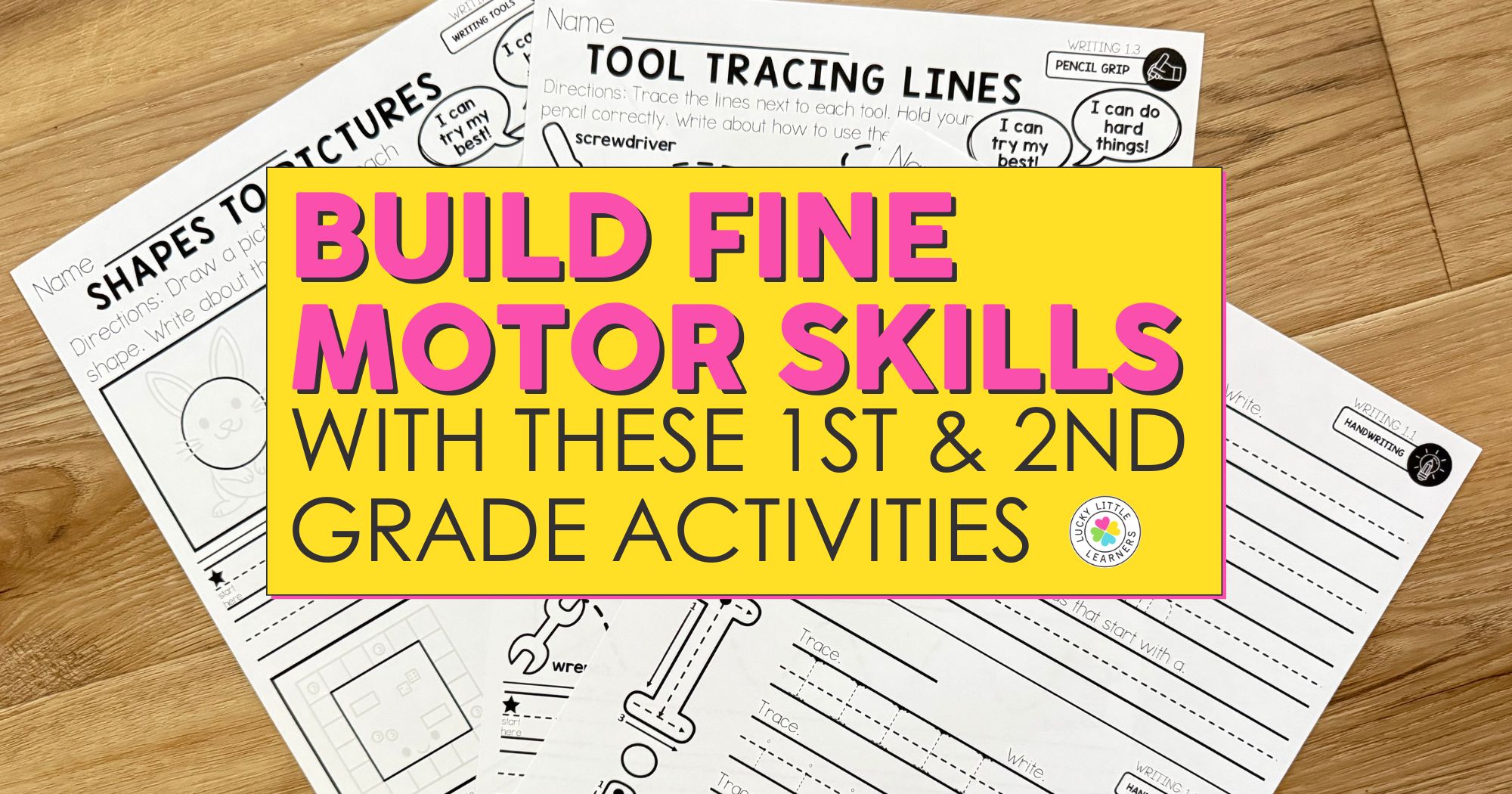
Messy handwriting. Difficulty drawing or coloring. Low stamina for typing. Frustration when cutting with scissors. Does this sound like one of your students? Fine motor skills play an important role in academic and personal success. What can teachers do if they observe student fine motor skills to be lacking? Read on for more information to assist 2nd grade students with building fine motor abilities in a classroom setting.
What are fine motor skills and why are they important?
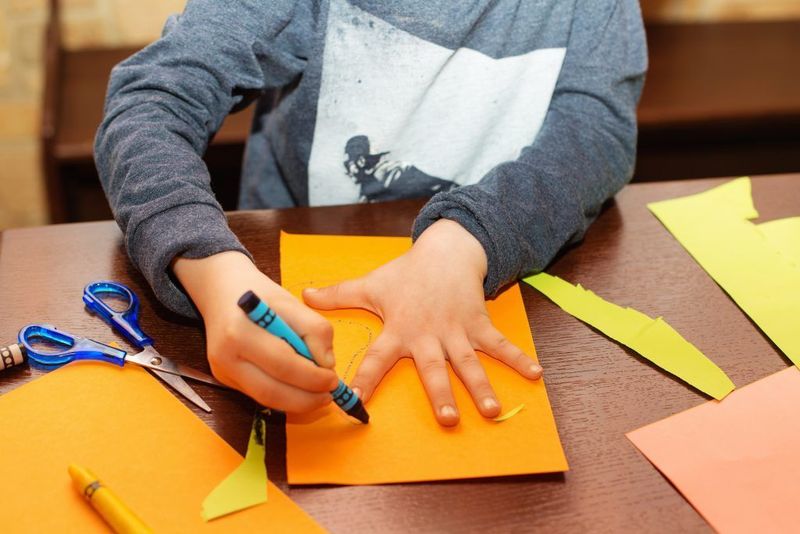
Fine motor skills involve the small muscles in the hands and wrists. Kids use them every day for tasks like writing, cutting with scissors, zipping a coat, tying shoes, and using utensils.
In Play to Progress, Dr. Allie Ticktin outlines three important areas of fine motor development teachers should be aware of:
- In-Hand Manipulation – Moving or adjusting an object within one hand, such as flipping a pencil to use the eraser or shifting a counter from the palm to the fingers.
- Grasp – How a child holds and controls an object, like a pencil, spoon, or crayon.
- Bilateral Coordination – Using both hands together to complete a task, such as holding paper with one hand and cutting with scissors in the other.
These skills come into play throughout the school day. In fact, research shows that up to 45% of classroom time involves fine motor tasks. For students who struggle in this area, the impact can go beyond academics—affecting confidence, independence, and emotional well-being.
If you’re concerned about a student’s fine motor development, connect with your school’s occupational therapist or student services team. And as we say at Lucky Little Learners, together we are better!
8 Fine Motor Activities That Build Writing Readiness
Before young learners can write with confidence and stamina, they need a solid foundation of fine motor control. Build fine motor strength before jumping into writing.
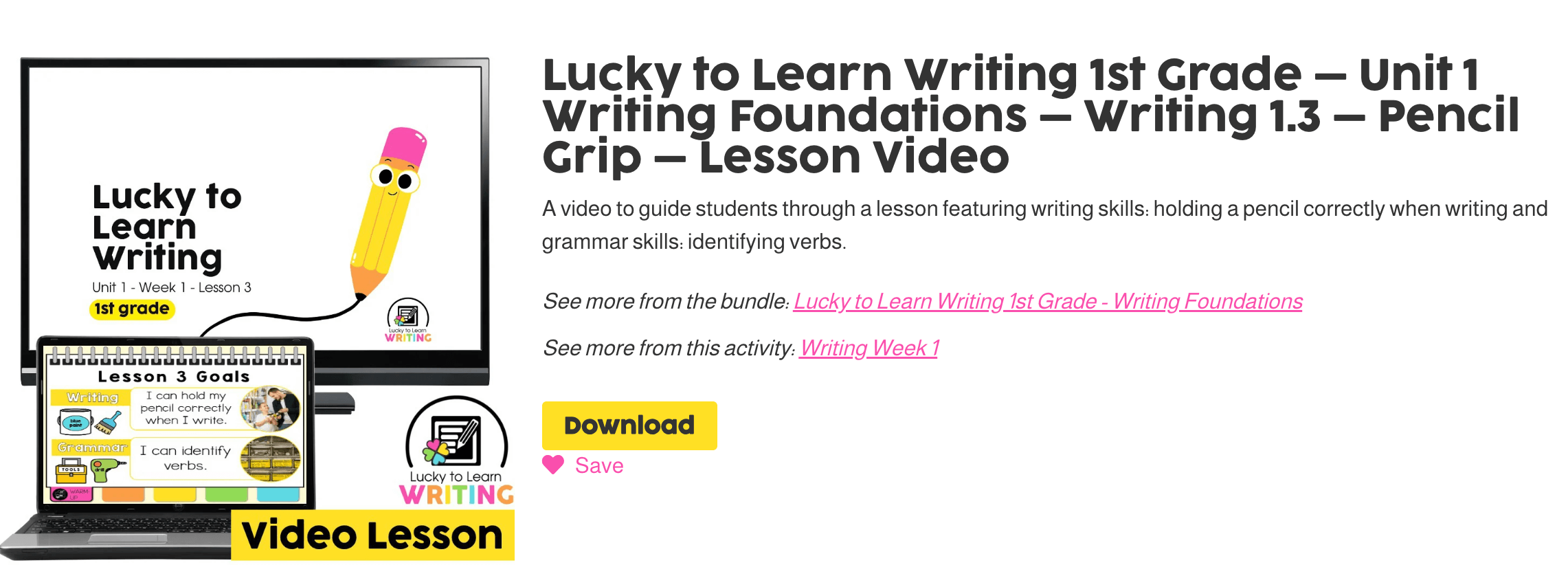
1. Explicitly teach pencil grip
A proper grip helps reduce hand fatigue and improves letter formation. If a student is gripping too tightly, using their whole arm to write, or frequently switching grips, they may benefit from more targeted fine motor practice.
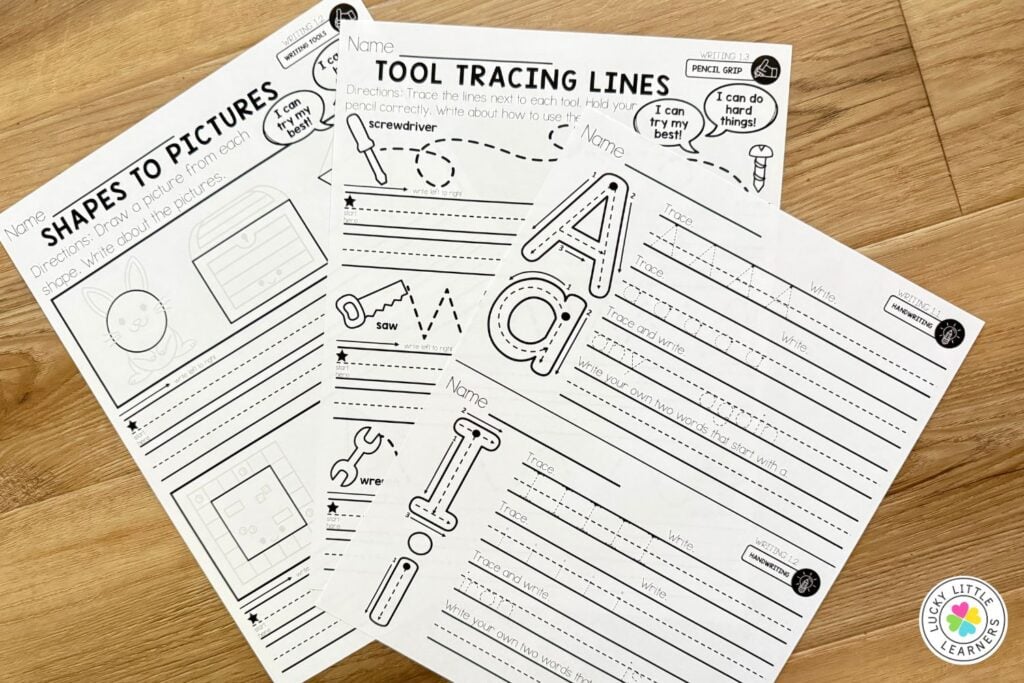
2. Pencil Control Line Tracing
Start with tracing simple lines and shapes to strengthen hand control before moving into full handwriting.

Looking to support scissor skills? Grab this free cutting practice worksheets pdf—perfect for students who need a bit more cutting confidence.
3. Structured Tracing & Drawing Activities
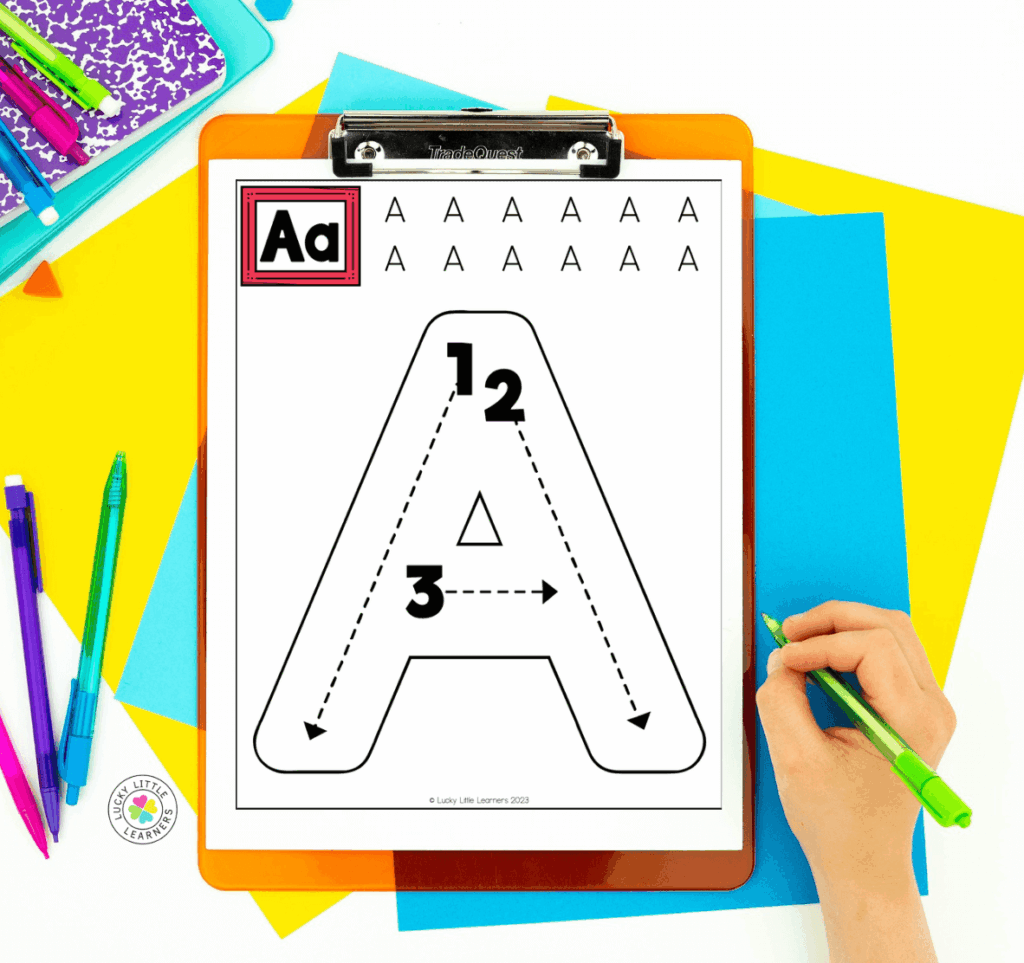
Letter formation and tracing aren’t just about legibility—they help refine control and develop confidence before independent writing.
4. Letter Formation With Verbal Cues
Verbal cues give students a multisensory way to remember how to form each letter.
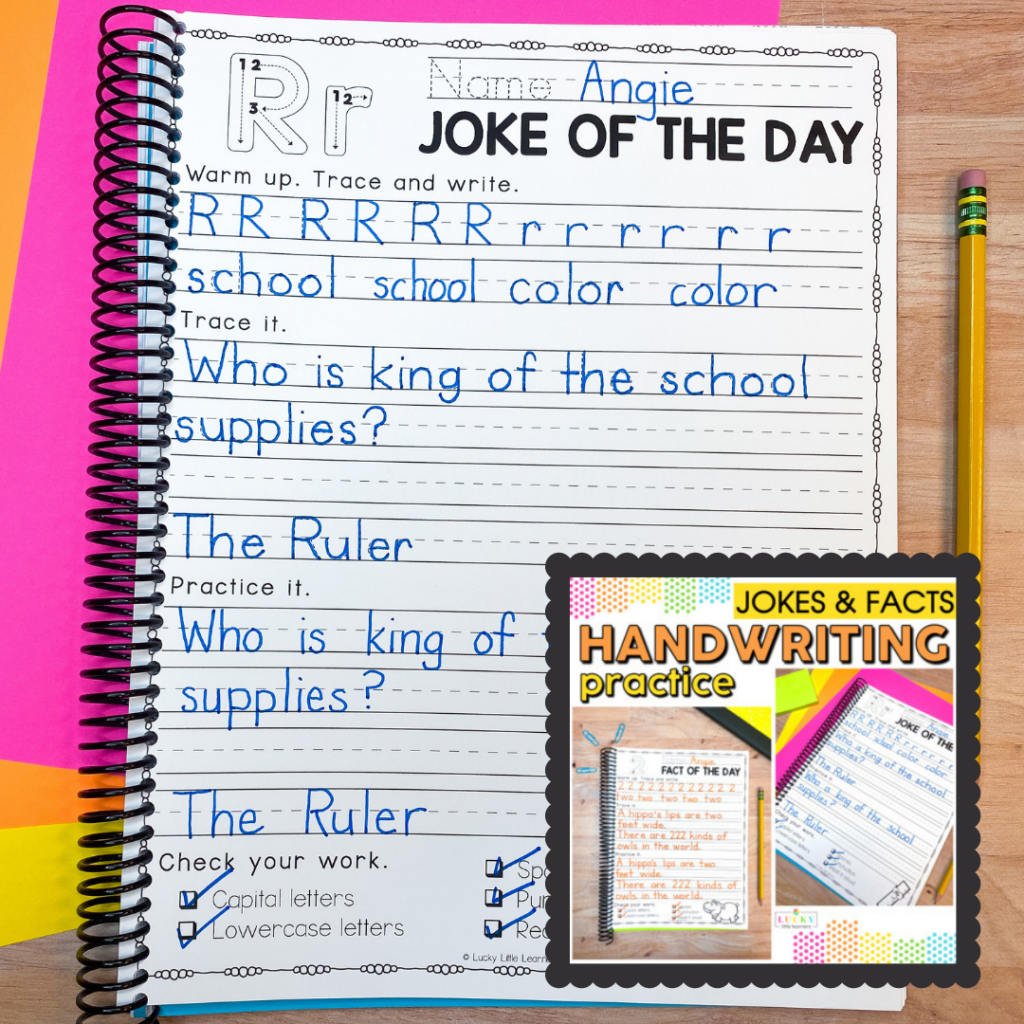
5. Handwriting Practice with Humor
Practice proper spacing and letter formation with silly jokes and fun facts your students will love.
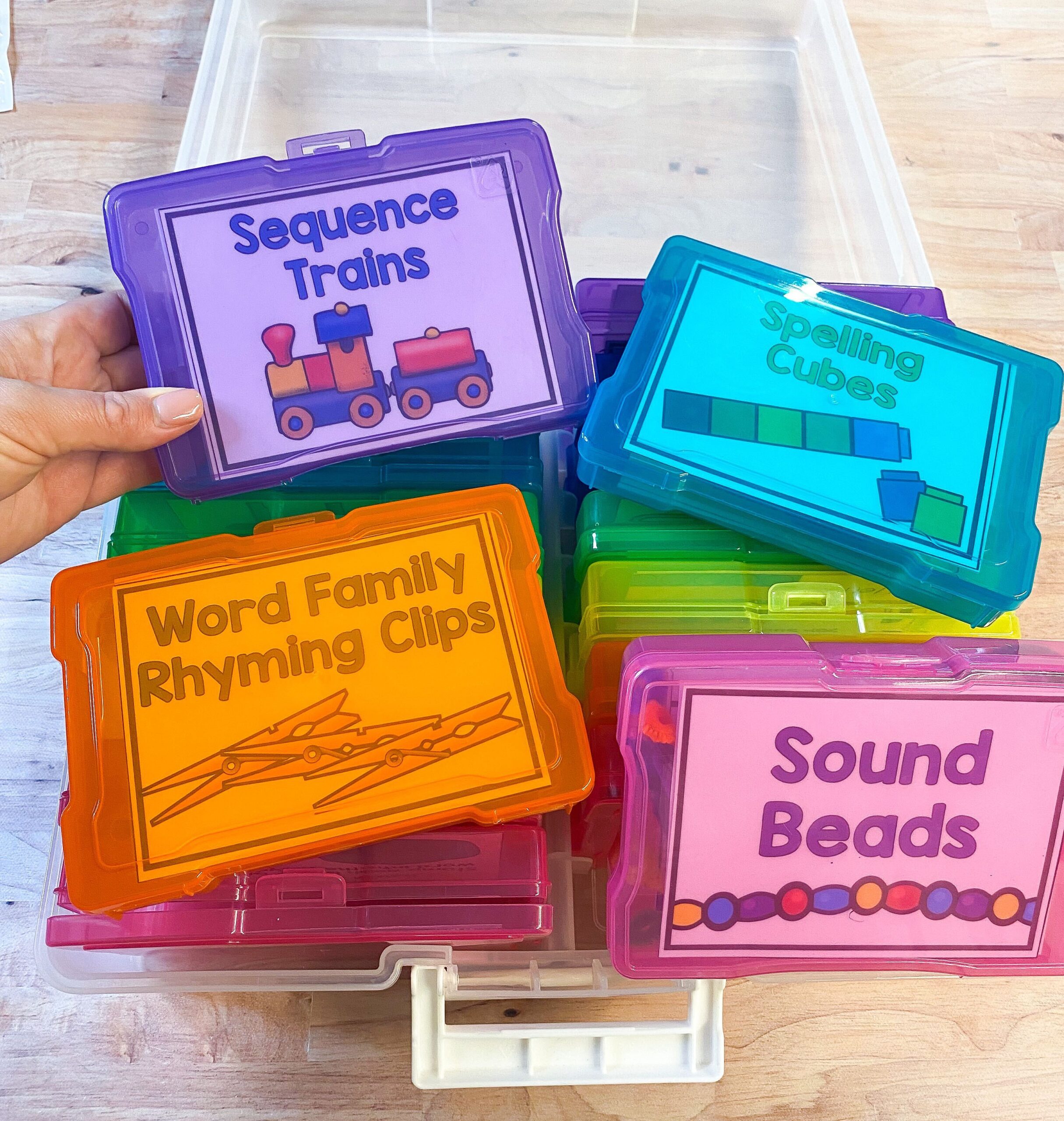
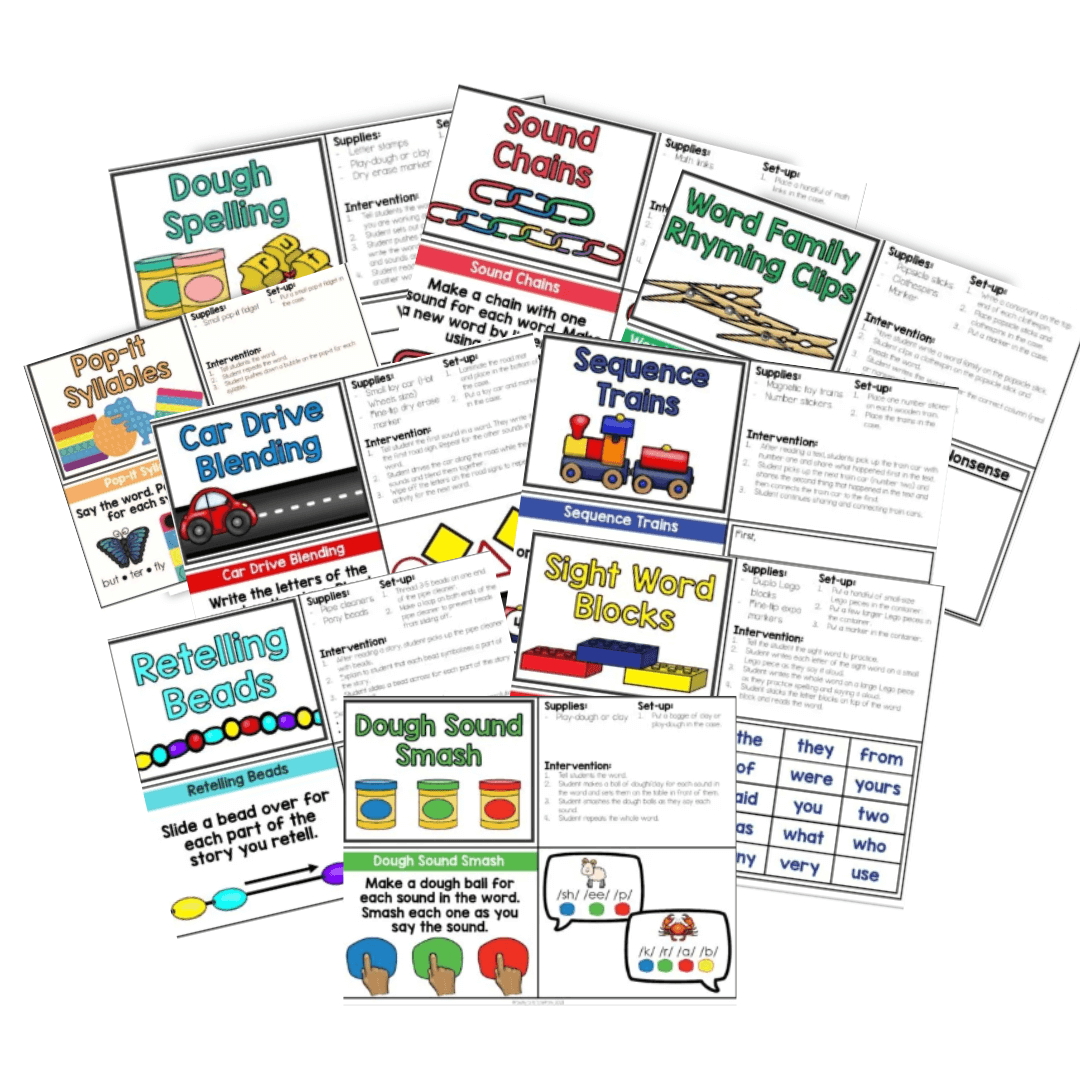
6. Literacy and Math Tools That Strengthen Fine Motor Skills
From dough spelling to sound chain building, these literacy and math activities sneak in hand strengthening while targeting foundational math and literacy skills.
7. Scribble Spelling for Grip & Pressure Control
Let students scribble purposefully! This creative spelling activity encourages different grips and pressure without perfection.

8. Directed Drawing for Motor Control & Creativity
Drawing builds hand muscles in a relaxed, creative way. Use it across content areas or as an early finisher activity.

Want to Grab These Fine Motor Activities for Your Classroom?
All of these activities—and hundreds more—are inside the Lucky Little Learners Membership Library. If you’re already a member, each of the items described in this post are linked in the caption so you can click-print-teach! Not a member yet? Click here to learn more and join us.
