
Have you noticed some of your students turning their letters into acrobatic champions, flipping and reversing all over the page? Well, guess what? Until about the ripe old age of 8 or 9, kids can basically be letter gymnasts, and that’s totally normal! And nope, it doesn’t mean they’re destined to be dyslexic or have a learning disability. That’s just a big, fat myth!
In this post, you’ll learn why letter reversals happen and simple, effective strategies you can use to help students master correct letter formation.

What You’ll Learn
- Why students reverse letters like b and d
- When letter reversals are developmentally appropriate
- Simple strategies to correct letter reversals
- Hands-on activities to improve letter formation
Why Do So Many Students Reverse Letters Like b and d?
Let’s have a little chat about why letter reversals are common. Imagine your trusty coffee mug. It’s a mug when it’s sitting right-side-up, and guess what? It’s still a mug even if it does a somersault! (Let’s just hope it’s not full of your favorite latte, or you’ve got a cleaning adventure ahead!) Our brain’s visual department doesn’t really care if objects are upside down, inside out, or doing the cha-cha. It knows a mug is a mug no matter how you spin it.
But letters and numbers? They’re the exception here! Flip a “b” and suddenly, it thinks it’s a “d”. Mirror a “p” and it starts pretending it’s a “q”. And a backwards 3? Forget about it, it’s not playing the number game anymore. Our brains have to put on their detective hats and really pay attention to which way these characters are facing.

As kids learn their ABCs and 123s, their brains start getting the hang of this orientation game. But hey, some kids might take a bit longer, depending on a bunch of brainy things like memory, visual skills, and how great the instruction is at school.
So, what’s the game plan? Do we just let those letters do their gymnastics, or do we coach them into shape? Here’s the playbook:
When Should You Be Concerned About Letter Reversals?
Most students outgrow letter reversals with practice and exposure.
You may want to take a closer look if:
- reversals persist past age 8–9
- students struggle with multiple letters consistently
- reversals impact reading fluency and writing
In most cases, though, consistent instruction and practice will resolve the issue.
How Do You Teach Letter Reversals Effectively?
1. Use Explicit Instruction
Students need clear, direct teaching when it comes to letter formation.
- Model how to form each letter
- Point out errors immediately and correct them
- Give students repeated opportunities to practice
If a student reverses a letter, simply show them the correct formation and have them try again.
Check out this great video for a B/D letter intervention – YouTube: B/D Letter Reversal Coaching
2. Use Multisensory Practice
Letter reversals improve faster when students use multiple senses while learning.
Visual Practice
- Compare letters (b vs d) side by side
- Highlight key differences
- Use anchor charts and visual cues
Tactile Practice
- Write letters in sand or shaving cream
- Trace letters with fingers
- Practice air writing

Auditory Practice
- Use verbal cues like:
“b has a belly” - Connect letter sounds to formation
This combination helps strengthen memory and reinforces correct orientation.

What Are the Best Activities for Practicing Letter Reversals?
Here are simple, effective activities you can start using right away:
- Magnetic letter building
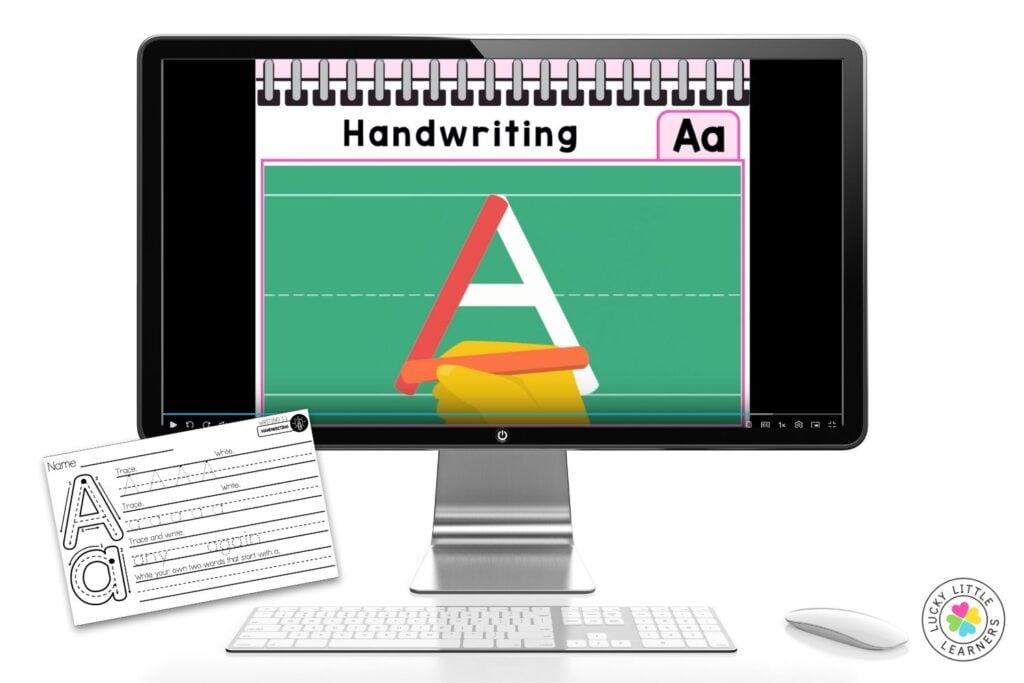
- Letter formation tracing sheets
- Handwriting booklets
- Anchor charts for b/d and p/q
- Writing words like “dog” and “bog” to compare
These activities help students connect letter shape, sound, and meaning.

Need more ideas for handwriting instruction? We’ve got you covered with ideas just right for your 1st grade and 2nd grade students.
How Do You Talk to Parents About Letter Reversals?
Letter reversals can worry families—but reassurance is key.
You can explain:
- Reversals are developmentally normal
- Most students outgrow them with practice
- You are providing targeted instruction at school
Offer simple strategies parents can use at home, like:
- practicing letter formation
- pointing out differences in letters
- reading and writing together
Want a Done-for-You Way to Teach Letter Formation?
If you want structured, effective support for teaching letter formation and preventing reversals:
Get our 1st Grade Writing Foundations Unit for the tools to teach letter formation and essential early writing skills:


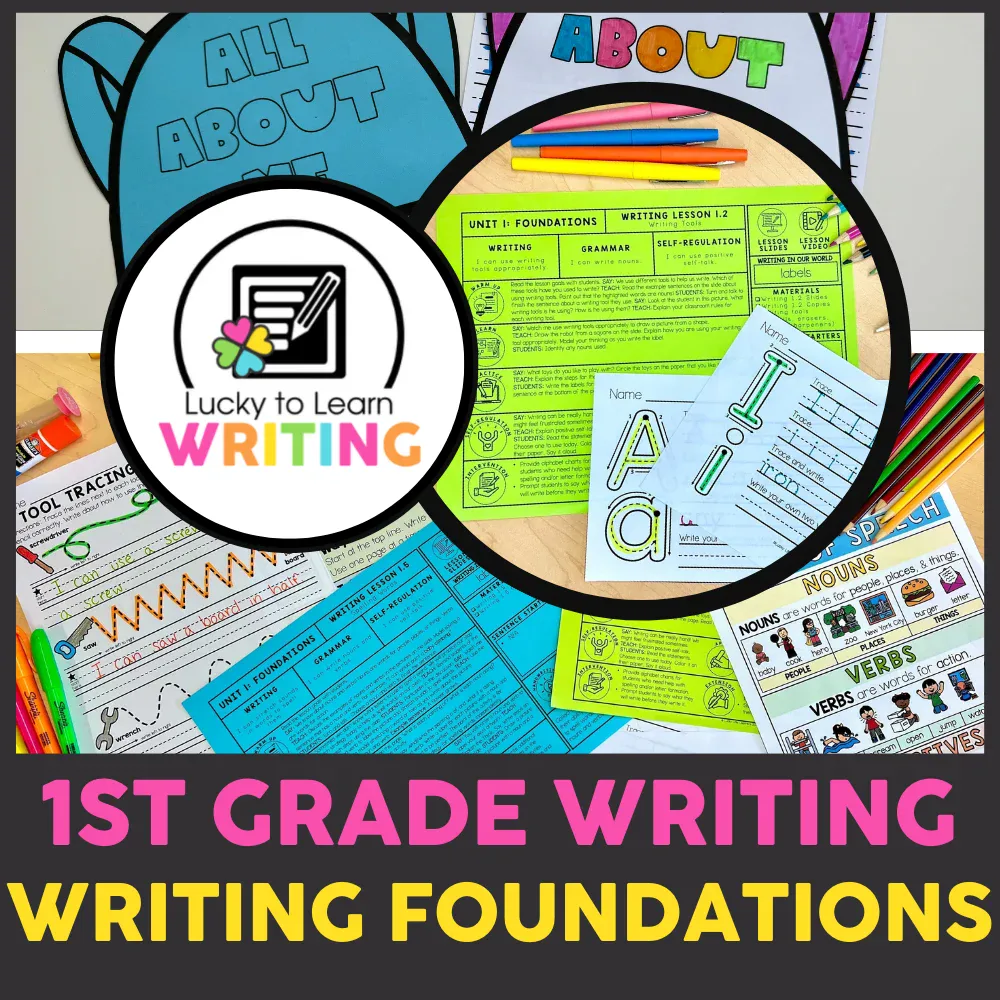
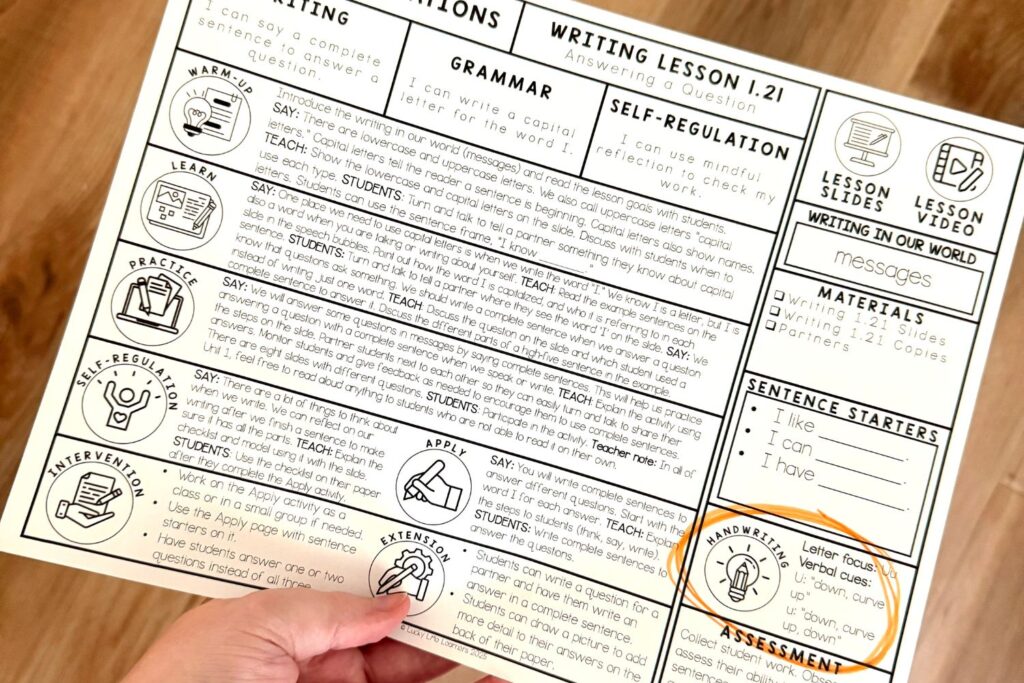
This unit includes:
- explicit letter formation instruction
- practice pages and routines
- support for common reversals like b and d
Key Takeaways About Letter Reversals
If you’re working with students who reverse letters, keep these ideas in mind:
- Letter reversals are a normal part of development
- Most students outgrow them with consistent practice
- Explicit instruction makes a big difference
- Multisensory activities help reinforce learning
Final Thought
Remember, turning those letter gymnasts into disciplined acrobats is all part of the fun journey of learning. So, keep it light, keep it fun, and watch as those letters line up like well-behaved ducks in a row!

3 Responses
This is a fabulous lesson. I learned a lot. I’ve been teaching prinary for 29 years. This is intense. Would love to have someone like this teacher in class! She is tackling many issues, bs and ds, eyes on the text, and letting the student know what she is doing right and incorrectly.
Love this!
Feel much better about reversals