
Teaching is demanding. Between lesson planning, grading, meetings, and classroom management, it can feel like there’s little time or energy left for YOU. But what if your nutrition could be the secret weapon that transforms not just your health, but your classroom energy, focus, and overall well-being? That’s exactly what we cover in Your Healthy Glow Up: The Teacher’s Total Nutrition Makeover.
In this session, holistic nutritionist and life coach Laura Jackson breaks down a simple, actionable framework to nourish your body, boost your energy, and create a nutrition strategy that works for busy teachers—without extreme diets or impossible meal prep.
Find out how we’re helping teachers make the most of summer time OFF this year!
Step 1: Get Grounded in Your Current Nutrition
Before making changes, it’s crucial to understand where you are right now. Laura encourages teachers to reflect on:
- Energy Levels: On a scale of 1–10, how do you feel in your body each day?
- Nutrition Confidence: What’s holding you back from eating the way you want to? Common barriers include sugar cravings, lack of time, inconsistent habits, and limited nutrition knowledge.
- Your Goal: What does nutrition success look like for you? Increased energy, weight management, or simply feeling better in your own skin?
This self-awareness sets the stage for meaningful change.
Step 2: Focus on What You Eat
The first pillar of a total nutrition makeover is food quality. Here’s Laura’s approach:
- Quality vs. Not-So-Quality Foods:
- Nutritionally dense foods: Real whole foods—foods that at some point grew, ran, swam, or flew—like fruits, vegetables, lean proteins, whole grains, and nuts.
- Not-so-nutritionally dense foods: Highly processed items or “food-like products” that provide calories but little else.
- The 80/20 Rule: Aim for 80% of your meals to be nutritionally dense, leaving 20% for more flexible options. This approach is sustainable and realistic for teachers on the go.
- Quality Ratio Exercise: Take one meal or your daily intake and assess: how much is high-quality vs. low-quality? This awareness guides small, practical swaps to increase nutrition without overhauling your entire diet at once.
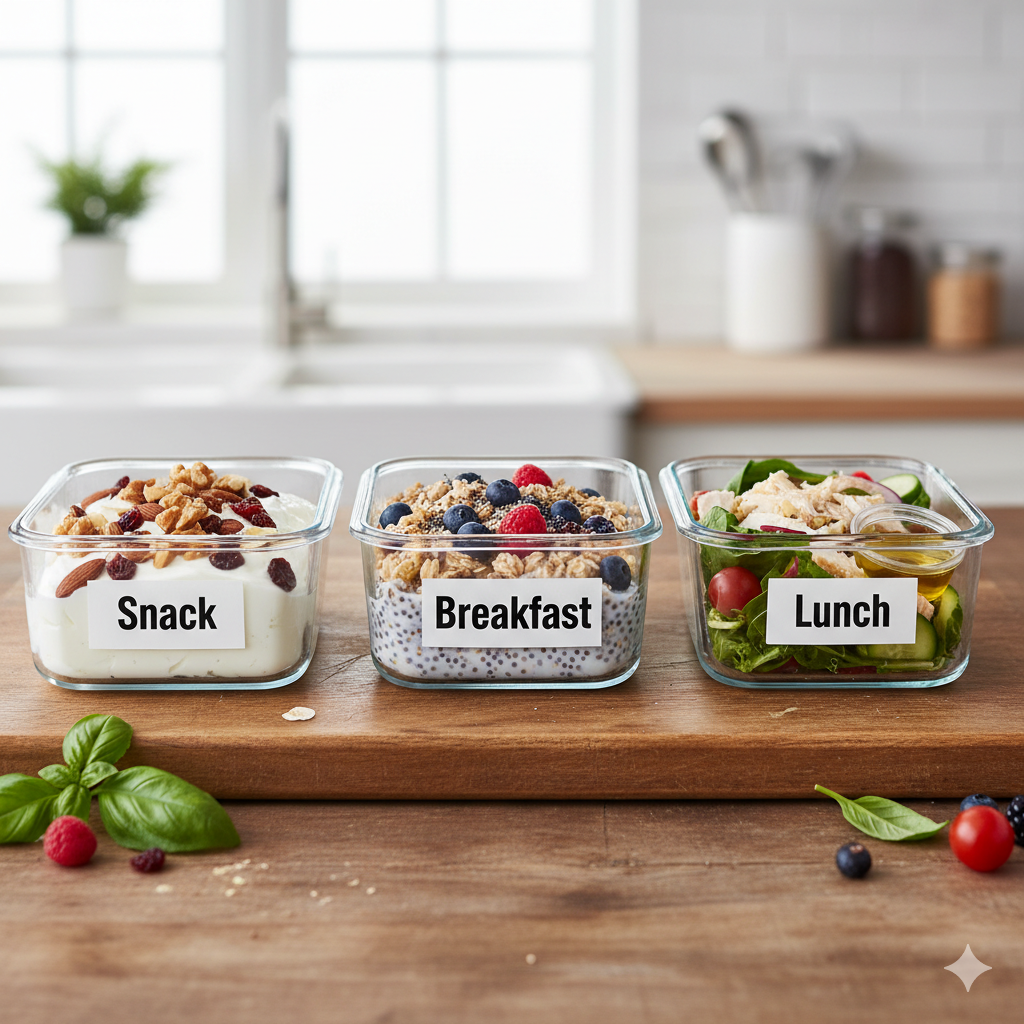
Image made with Gemini AI
Step 3: Build Balanced Meals with the Complete & Three Rule
Quality is just the start. The next step is how you eat—specifically, building meals around protein, fiber, and healthy fats.
- Protein: The building blocks of your body, necessary for muscles, hair, and overall repair. Aim for 20–30 grams per meal.
- Fiber: Found in fruits, vegetables, whole grains, and legumes, fiber supports digestion, keeps you full, and balances blood sugar. Aim for 7–10 grams per meal.
- Healthy Fats: Help regulate hormones, support brain function, and keep you satisfied. Aim for 10–15 grams per meal.
Example:
- Breakfast: Greek yogurt (protein), oats + raspberries (fiber), chia seeds (healthy fat)
- Lunch: Chicken (protein), mixed greens & veggies (fiber), olive oil dressing (healthy fat)
Why it works: Pairing protein, fiber, and fat balances blood sugar, reduces energy crashes, and naturally regulates appetite—perfect for teachers who need steady energy all day.
Step 4: Rethink When You Eat
The third pillar of a nutrition makeover is quantity and timing:
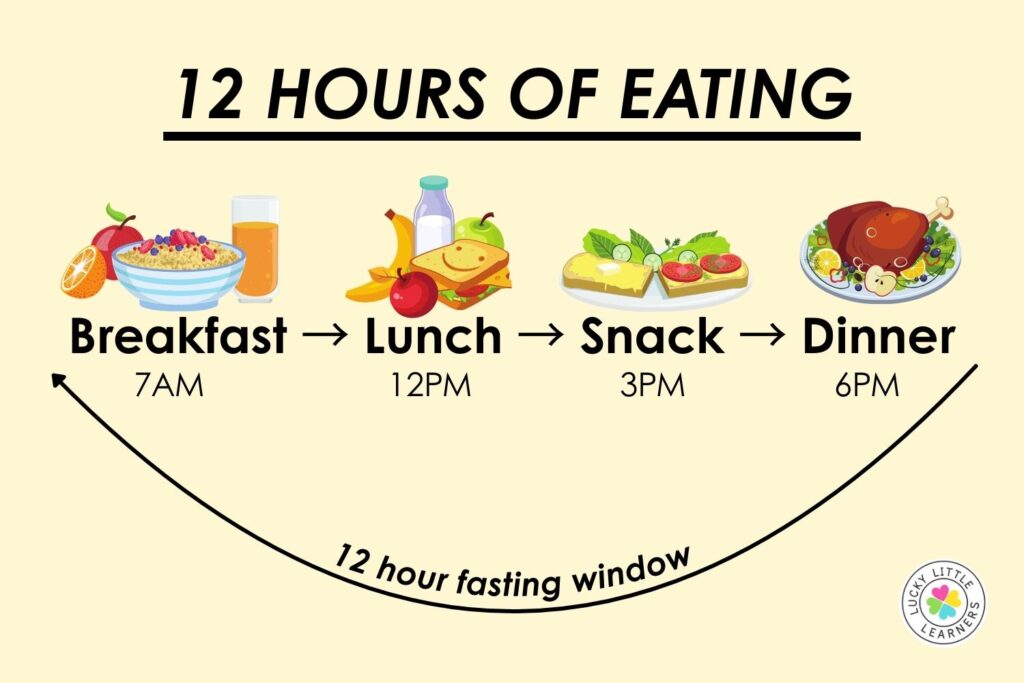
- Meal Frequency: Limit to three meals and one snack per day. Grazing constantly keeps your body in “store mode,” preventing fat burn and causing energy crashes.
- Eating Window: Pay attention to when your first and last bites occur. Aiming for a 10–12 hour eating window supports metabolic flexibility, hormone balance, and digestion.
Tip: You’re already fasting overnight while sleeping. Use this natural fast to give your body a break from constant digestion and hormone fluctuations.
Step 5: Make It Simple & Sustainable
Laura emphasizes start small and build habits gradually:
- Rotate two breakfasts and two lunches per week to reduce decision fatigue.
- Prep meals in advance when possible; it’s not about perfection, it’s about consistency.
- Focus on awareness first—track your energy, your meals, and your eating patterns.
Bonus! Try the 7-Day Challenge
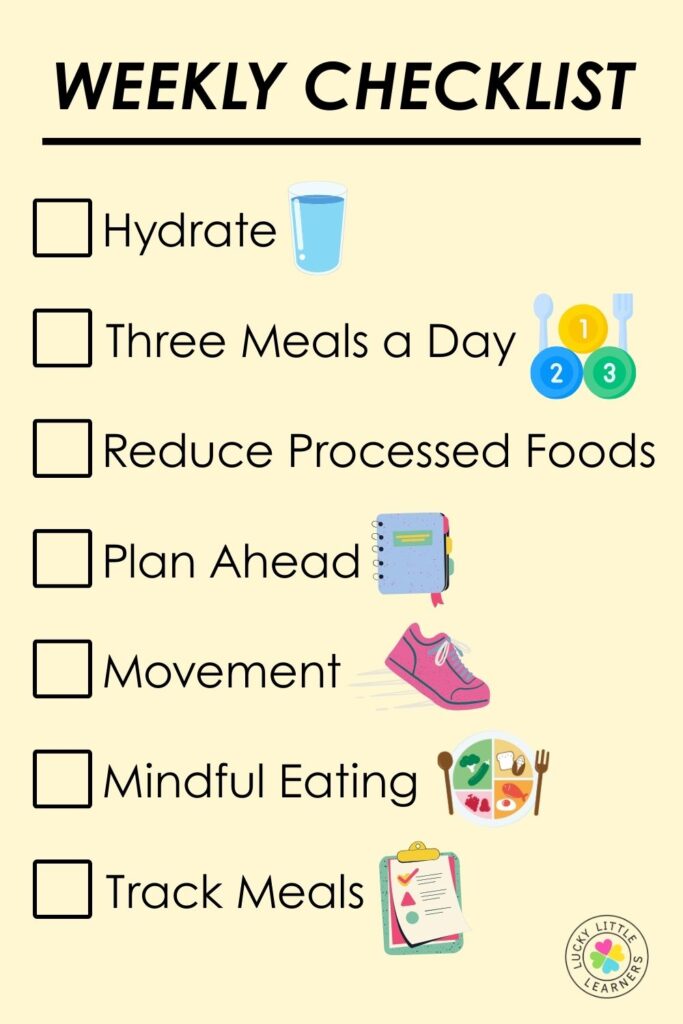
To kickstart your healthy glow up, Laura provides a simple 7-day habit challenge that includes:
- Tracking hydration
- Incorporating movement and walking
- Practicing the Complete & Three rule for at least one meal per day
- Reducing processed foods gradually
- Mindfully timing your meals and snacks
These small, actionable habits create momentum without overwhelming your schedule or wallet.
Nutrition for Teachers: Key Takeaways
- Awareness comes first: Understand your energy, confidence, and current eating habits.
- Prioritize quality: Focus on nutritionally dense foods for 80% of your meals.
- Complete & Three: Build each meal with protein, fiber, and healthy fat.
- Mind your timing: Stick to 3 meals + 1 snack and respect your eating window.
- Plan for success: Meal prep and simple rotations make healthy eating sustainable.
Nutrition isn’t just about weight loss—it’s about fueling your mind, energy, and classroom presence. Small, consistent shifts in what, how, and when you eat can transform your life both inside and outside the classroom.
Take your nutrition (and your teaching energy) to the next level!