As educators, you’re no stranger to challenging conversations. Whether it’s with a colleague, a supervisor, or even a parent, addressing concerns in a constructive and non-confrontational way can be tricky. What if you could resolve conflicts without drama, express yourself honestly without creating tension, and still maintain positive relationships?
That’s exactly what Tim Schwartz, leadership coach and founder of Elevate Ed, teaches in his workshop, Drama-Free Difficult Conversations. In this hands-on session, Tim helps teachers unlock the tools needed to navigate difficult conversations with ease and confidence.

Why Are Difficult Conversations So Hard?
It’s common for teachers to avoid tough talks—fear of conflict, fear of consequences, or even worry about damaging relationships can stop us from speaking up. Many of us have been there: wanting to address an issue but holding back for fear of the fallout. Yet, staying silent often leads to resentment, passive-aggressive comments, or even worse, an unresolved problem that continues to fester.
Tim helps break down this cycle of silence and aggression, providing you with a proven framework for communicating effectively. His approach empowers you to speak with candor while maintaining compassion, a balance that makes all the difference when tackling difficult topics.
The Power of Facts vs. Stories
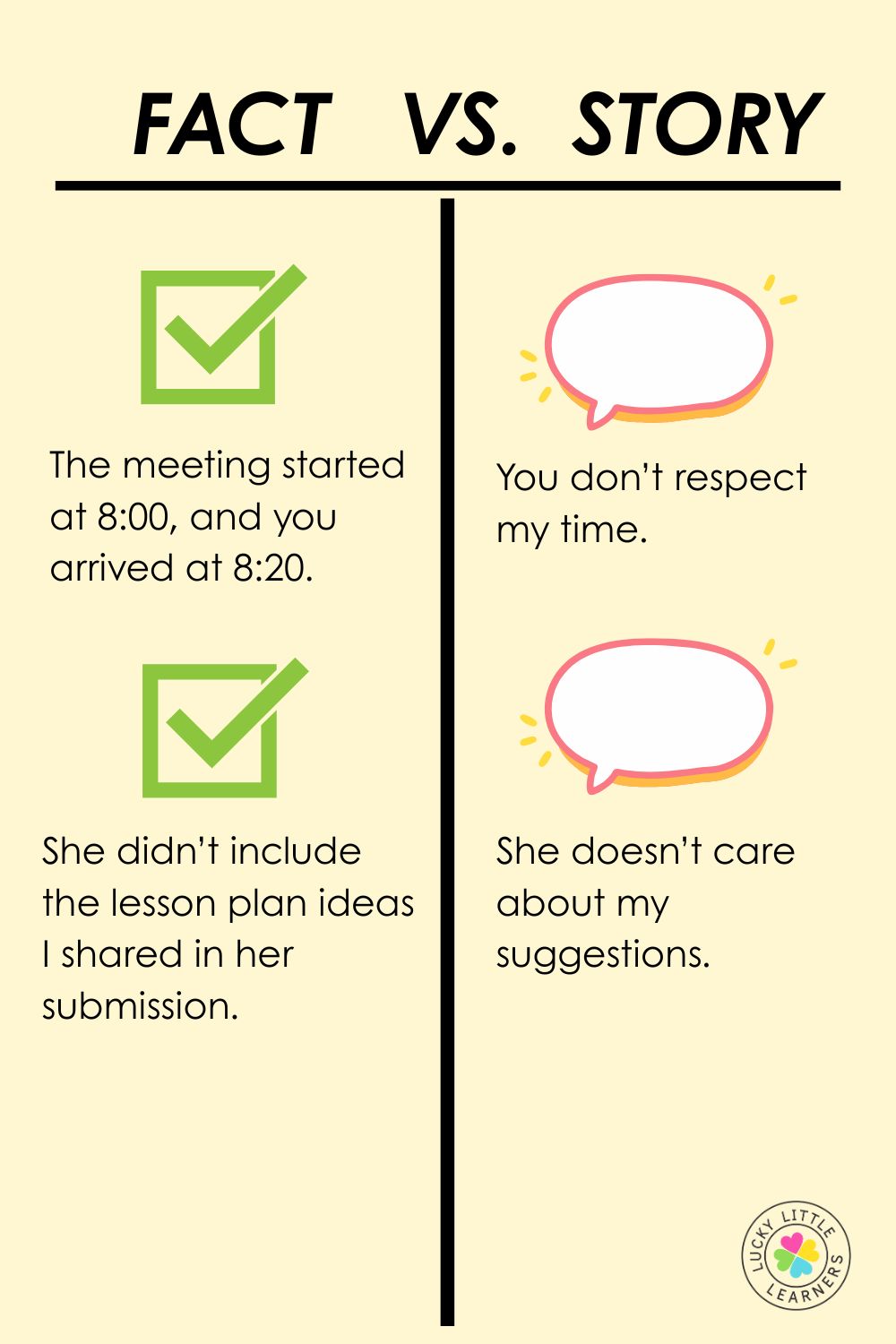
One of the most crucial tools Tim teaches is the difference between facts and stories. When we’re upset, it’s easy to make judgments about the other person—labeling them as “incompetent” or “disrespectful.” But these judgments often cloud our communication and lead to defensive reactions. Instead, Tim advocates for sticking to the facts—those concrete, observable actions—without adding judgment or interpretation.
For example, instead of saying, “You always show up late to meetings,” which brings in a story and judgment, you could simply state, “The meeting started at 8:00, and you arrived at 8:20. This has happened three times in the past two weeks.” The facts are undeniable, and it’s harder for the other person to get defensive when they’re faced with clear, objective observations.
Making Requests: The Key to Constructive Conversations
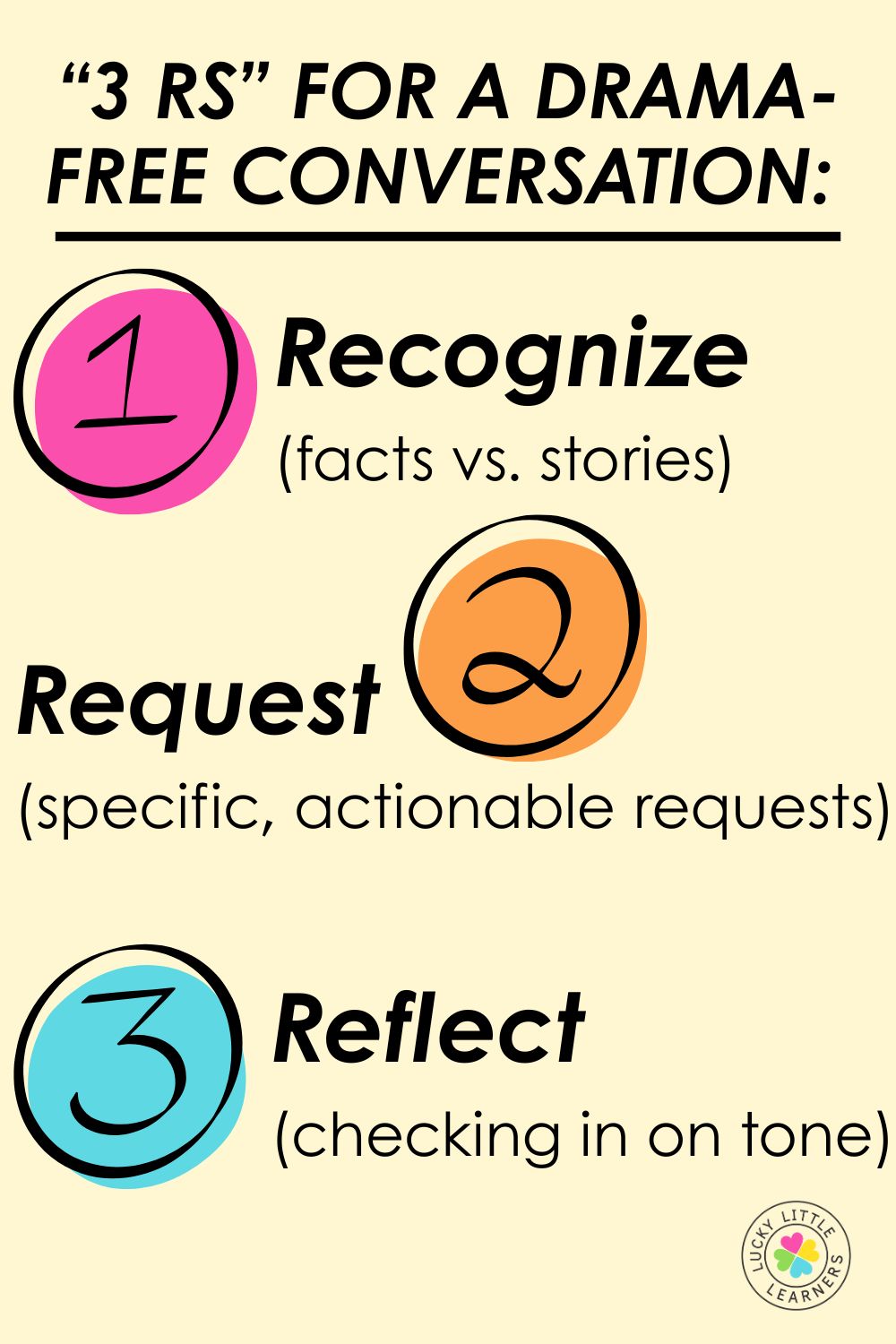
Once you’ve stated the facts, what next? How do you move the conversation toward a solution? Tim encourages teachers to make clear and specific requests. Often, we expect the other person to “just know” what we want, but without a direct request, the other person may not understand how they can help or change.
A simple phrase like, “Would you be willing to be on time for our next meeting?” is direct, actionable, and leaves room for the other person to respond with a solution that works for both parties. The key is to avoid demands and instead, make requests that sound open and non-threatening.
A Step-by-Step Framework for Successful Conversations
Tim’s workshop takes you through this entire process step-by-step, offering not just theory, but plenty of practice with real-life examples. You’ll have the chance to apply the facts vs. stories method, make requests, and receive peer feedback to refine your approach.
By the end of the session, you’ll feel more equipped to address issues calmly and professionally, without escalating conflict or feeling drained by emotional baggage. The goal is a win/win resolution where everyone feels heard and respected.
Ready to Transform Your Conversations?
If you’re tired of avoiding tough talks or letting small issues snowball, it’s time to take action. Tim’s workshop offers the perfect blend of theory, practice, and real-world application that will change the way you approach conflict in the workplace.
Join All Access to watch the full training and gain the tools you need to turn difficult conversations into opportunities for growth and understanding.