When you think of teaching Kindergarten literacy, the word phonics probably pops right into your head. Although phonics is vital, it is only one piece of the Kindergarten reading puzzle. Without focusing on the other areas of reading like comprehension, vocabulary or fluency, for example, young students can fail to make connections to the text they work so hard to decode. Let’s dive into some student-friendly activities to promote all areas of Kindergarten reading in your classroom.

Oral Strategies & Comprehension in Kindergarten
Vocabulary in Kindergarten
Introducing young learners to vocabulary words is key to students comprehending what they hear and read. The typical flash card routine doesn’t support the kind of deep, meaningful learning students need. Many kindergarteners need visual, hands-on or a mixture of these strategies to cement their learning. Here are some teacher (and student) favorite vocabulary ideas.
1. Picture Word Wall
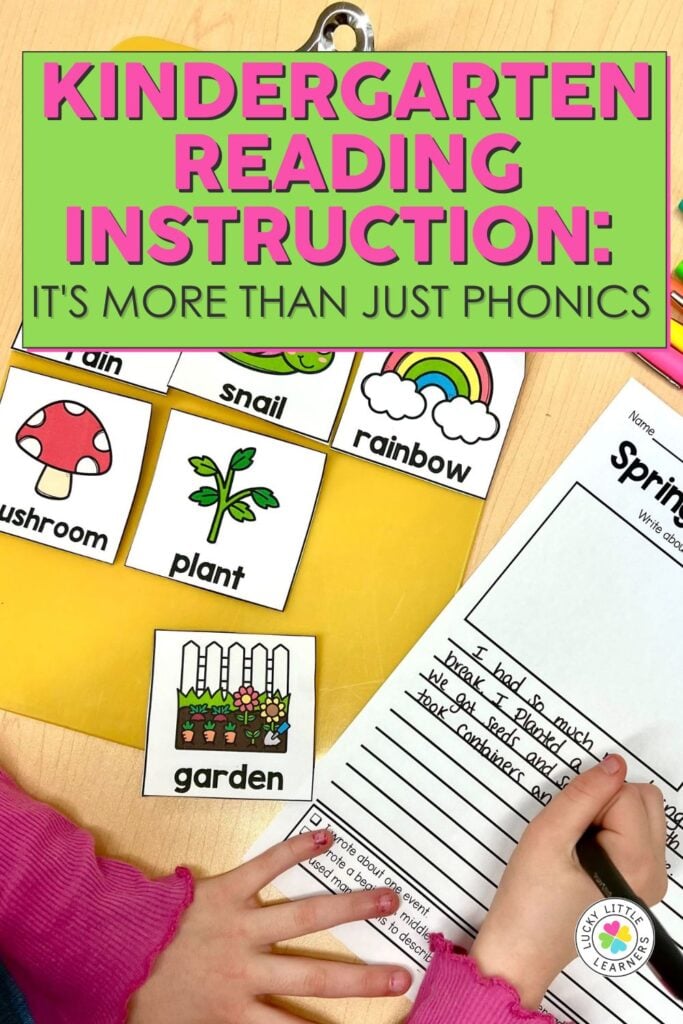
Kindergarteners might not benefit from a traditional word wall, but a picture word wall helps kids remember and use rich vocabulary by seeing and talking about the words every day.
How to use the picture word wall:
- Add 1-2 words after each read aloud
- During writing: students can refer to this wall to enrich their written stories
- Transitions: “Find a word on the picture word wall that means really small”
- Add seasonal words throughout the year
Another engaging way to reinforce awareness of known words.. Try kindergarten name crafts, where children create art using the letters in their own names—perfect for visual, tactile connections to vocabulary and letter formation.
2. Vocabulary Games
Playing a game is an engaging way to cement any concept. Try these vocabulary games to solidify your little learners’ word knowledge.
Vocabulary Matching
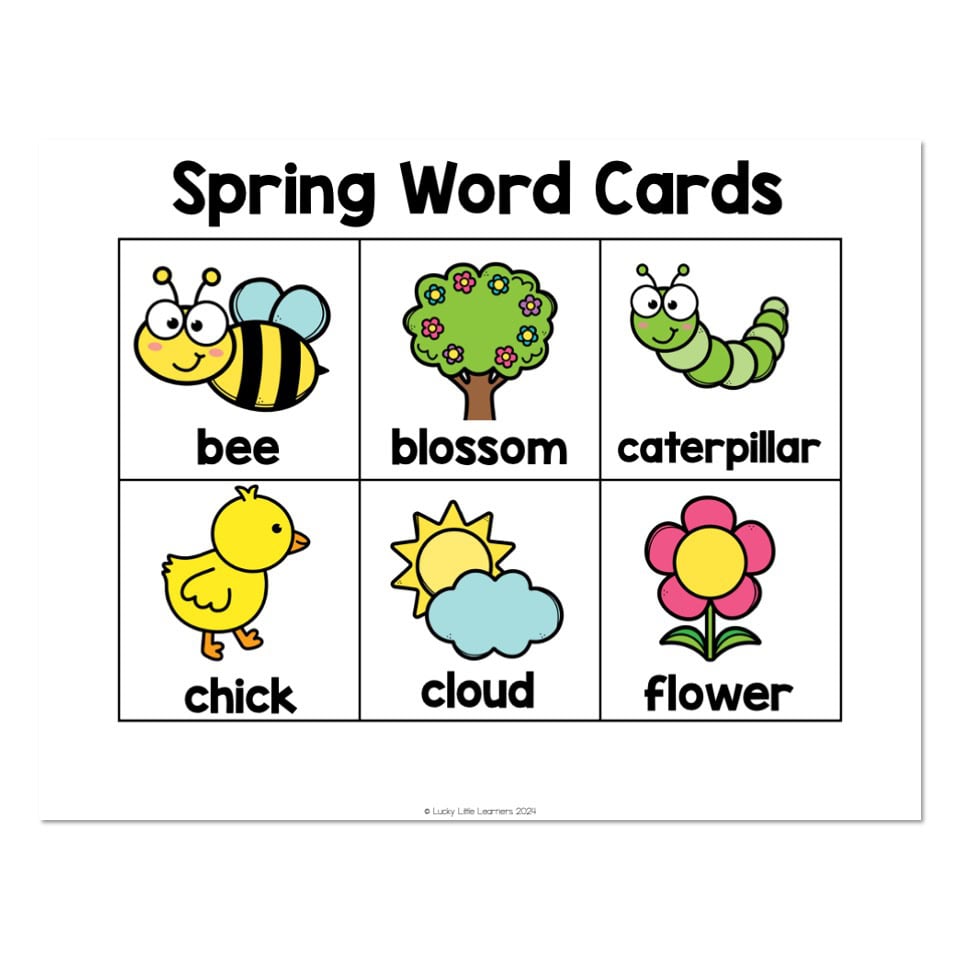
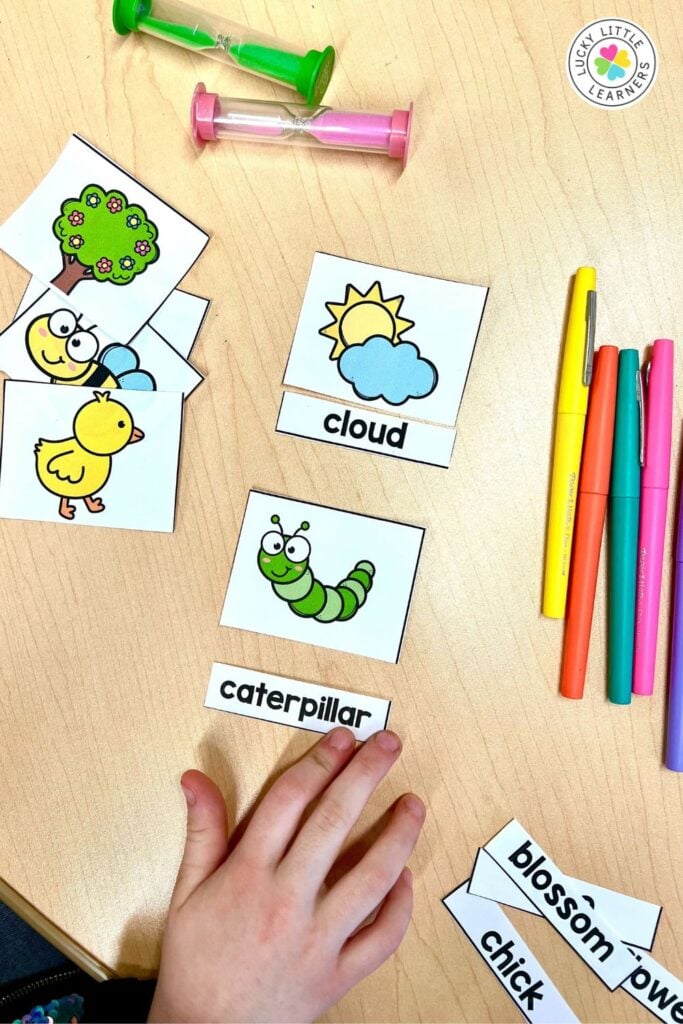
Using picture word cards, like these ones, create a matching/memory game.
- Print on thick card stock.
- Cut the words off the bottom of the card.
- Have a picture pile and a word pile.
- Students take turns flipping over a word and picture.
- If they match, they keep the pair for a point!
For more vocabulary building ideas, check out this post: Teaching New Vocabulary Through Writing.
3. Intentional Vocabulary Talk
Use your daily read aloud time to incorporate vocabulary words. Using an intentional “vocabulary talk” strategy introduces your students to new words while keeping them engaged. (Bonus- they will hear modeled fluent reading!) Here is a sample “vocabulary talk” routine.
Before Reading
Select a few words from your read aloud and write them on index cards, or project them. Read the words to students, provide a visual clue and definition, a gesture if possible, and use the word in a sentence. Telling students to listen for the word as you read will activate their active listening skills.
During Reading
Pause briefly when the word appears. Hopefully one of your little learners will point out the word, but if not, excitedly asking students if they remember what the word means. (“Thumbs up if you remember what this word means.”)
After Reading
Have a mini review discussion on what the new words were, what the mean, and use them in sample sentences. If you have extra time, they could illustrate each word.
Oral Strategies & Comprehension in Kindergarten
Children start building reading comprehension by listening to and talking about books read to them. This helps them develop the skills they need to understand what they read on their own. Here are a few ideas to start building those early comprehension skills.
1. Turn & Talk
Talking with a partner about a shared reading not only helps develop comprehension, it also gives a little brain break.
Teaching tip: Before implementing comprehension turn & talks, it is best to model, model, model this routine. Utilize an anchor chart to refer to expected behaviors before the turn & talk begins.
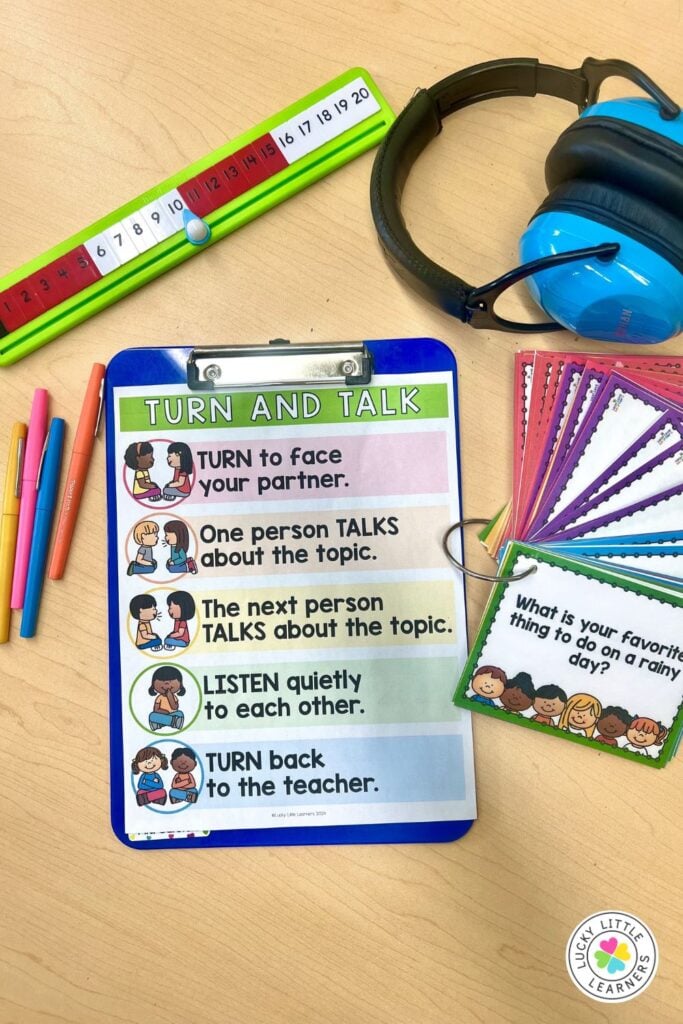
Shared reading turn & talk ideas:
- Predictions: Talk with your partner about what you predict will happen next.
- Retell the Story: Tell your partner the story in your own words.
- Picture Talk: What do you see in this picture? What do you think it tells us about the story?
- Question Time: Alright, let’s stop for now. What questions do you have about the story so far?
- What’s the Problem?: What is the problem in the story so far?
2. Retell Ideas
Retelling is the process of telling the story in your own words. This practice helps students process a story and understand its elements (beginning, middle, end, problem, solution).
Make retelling fun with these activities:
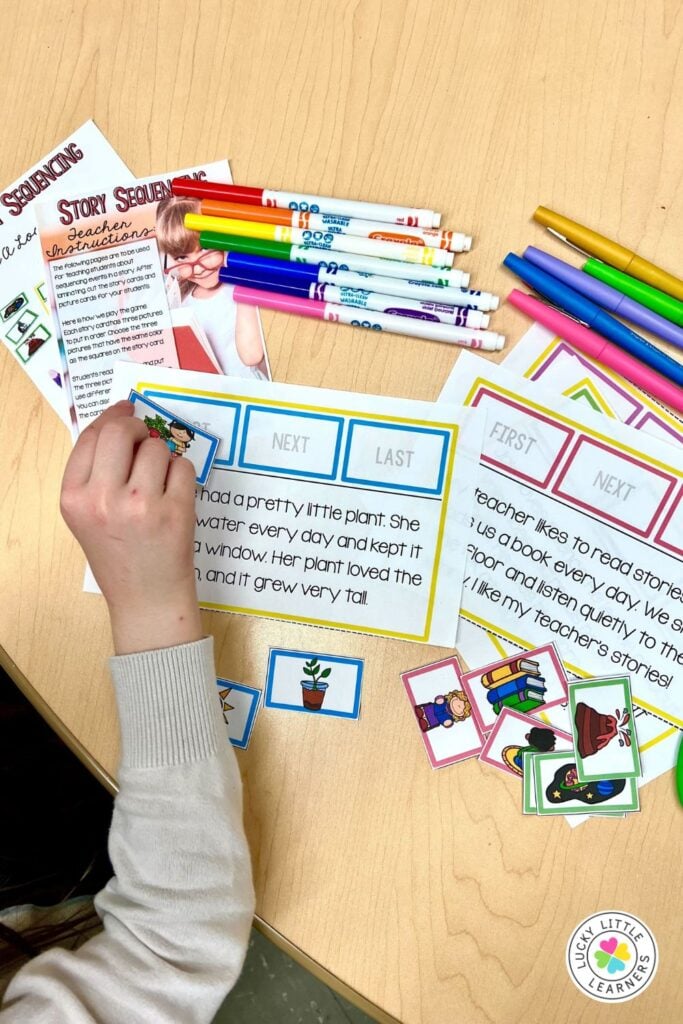
Sequencing
Using picture cards to practice sequencing events gives kids a hands-on, visual way to learn, which is especially helpful for many learners. Try using sequencing cards during whole group, small group or even as an independent center.
Props & Puppets
Put out a basket of puppets, or have students make props out of simple materials to retell a story. This fun, creative approach gets kids up out of their seats, thinking about stories.
Who, What, Where
If students are having trouble starting their retelling, have them simply answer three questions: Who is in the story? What are the big things that happened in the story? Where does the story take place? Using these guiding questions will get those retelling gears turning.
3. Picture Based Conversations
After reading a story, choose the top three events that represent the story most. Then, either find or create a picture for each of these events. Then, use the pictures to retell the story. The pictures serve as reminders of major story events and aid in retelling.
Find more Kindergarten reading comprehension activities here: Engaging Reading Comprehension Activities for Primary Students.
Kindergarten Reading Fluency
1. Daily Read Alouds
To this day, I fondly remember my Kindergarten teacher reading to us each morning. We would gather on the rug and she would read with such expression and use character voices that really engaged us in the story telling. Little did I know she was building my fluency skills at the same time! Utilizing daily, expressive read alouds exposes students to what a fluent reader sounds like. This helps children connect the written word to meaning and emotion.
2. Poems & Predictable Text
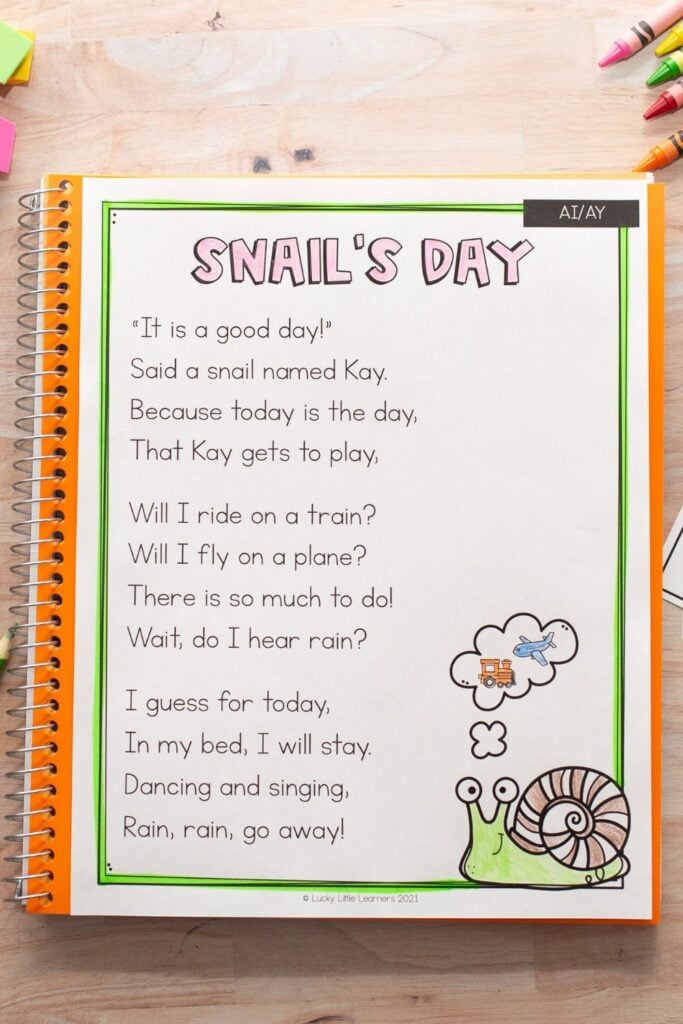
Using poems and/or predictable text offers practice with repetitive lines or rhythm patterns, which can make practice fluency fun. Poems are perfect for a whole group introduction to the sound of the week, a small group activity, or even, when students are ready, an independent center activity.
Here are some of our favorite poems & predictable text resources:
Phonics Poems
Sentence Pyramids
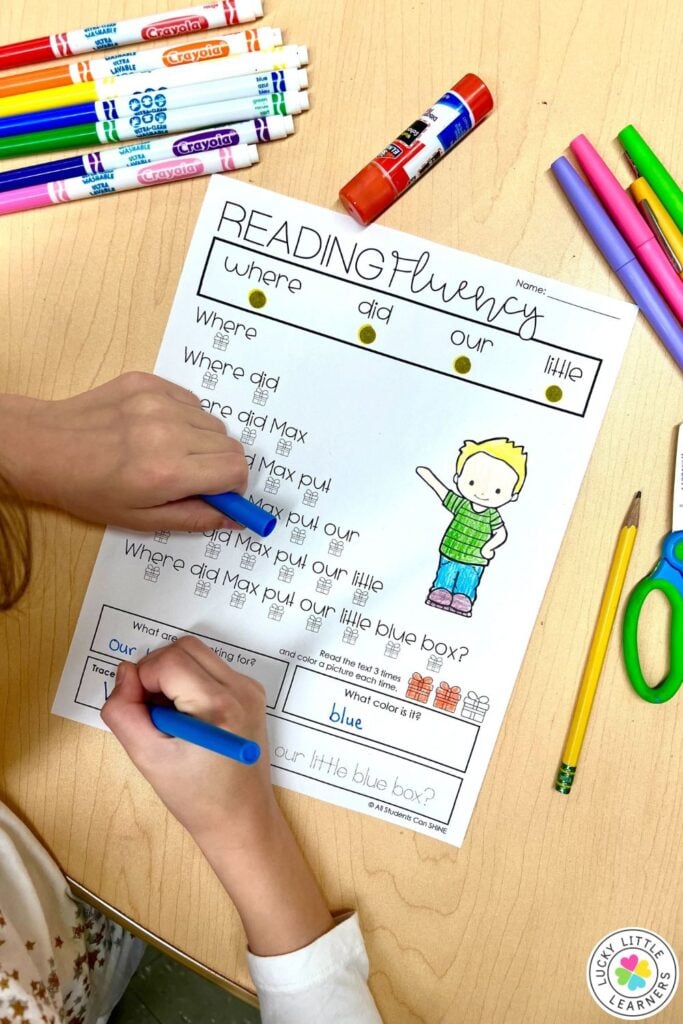
3. Small Group Fluency Ideas
Use your differentiated small group reading time to boost student fluency! This way you can work on specific skills each group needs. Here are some fun strategies that will leave students unaware they are learning. (Before we go on, find Science of Reading aligned small group ideas here.
Sight Word Flashcard Race
Determine a group of sight words your students need to practice. Hold up the flashcards, having students take turns read the words. After the practice round, hold up the cards and whoever says the word first, gets a point.
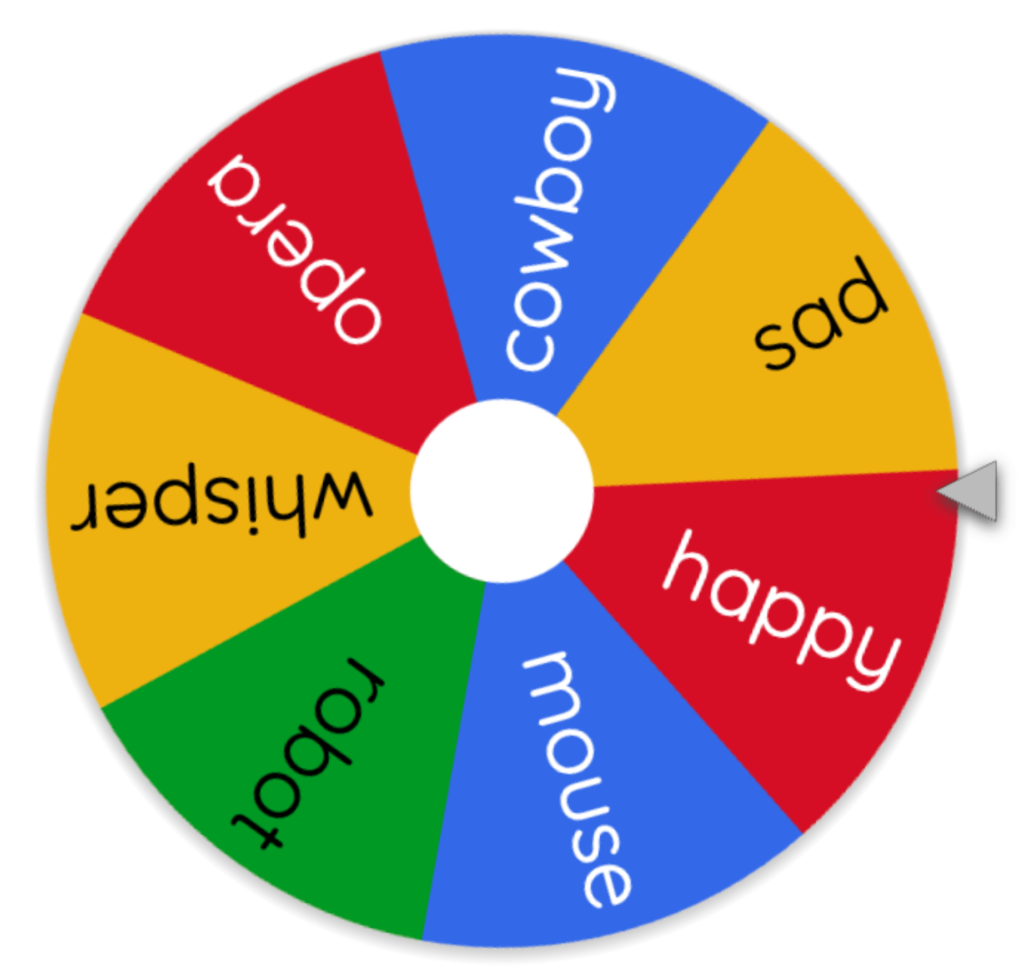
Fluency Phrase Voices
Students can practice using expression and fluency by reading the fluency phrases with different character voices. Try using this wheel of character voices for an extra touch of fun.
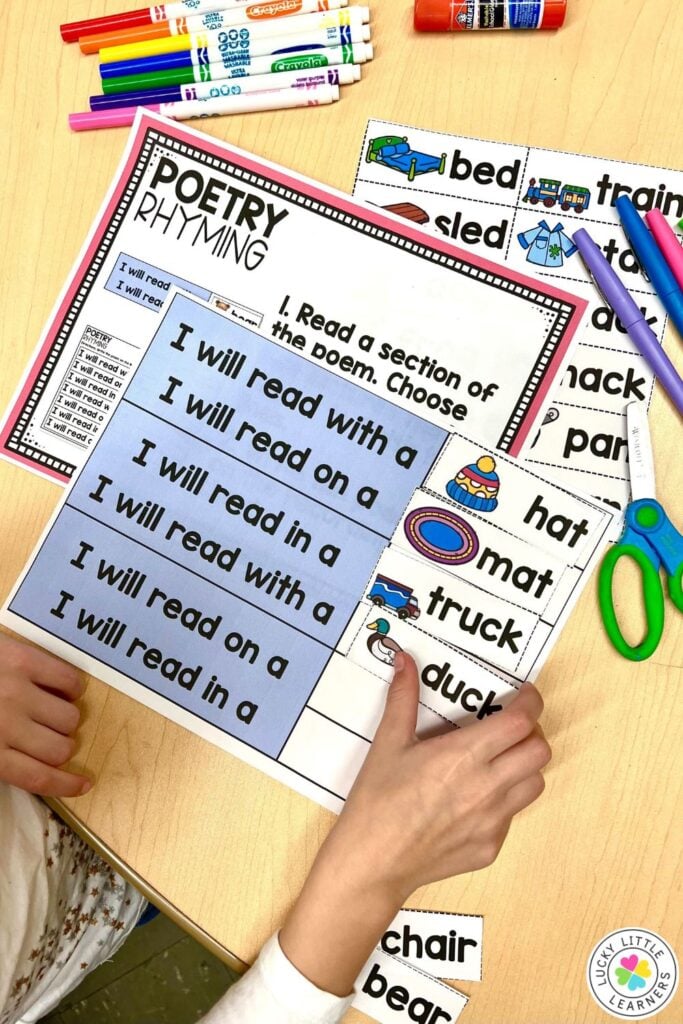
Rhyming Word Work
Using activities like this Poetry Rhyming center, students can practice fluency skills + rhyming skills. Teacher win!
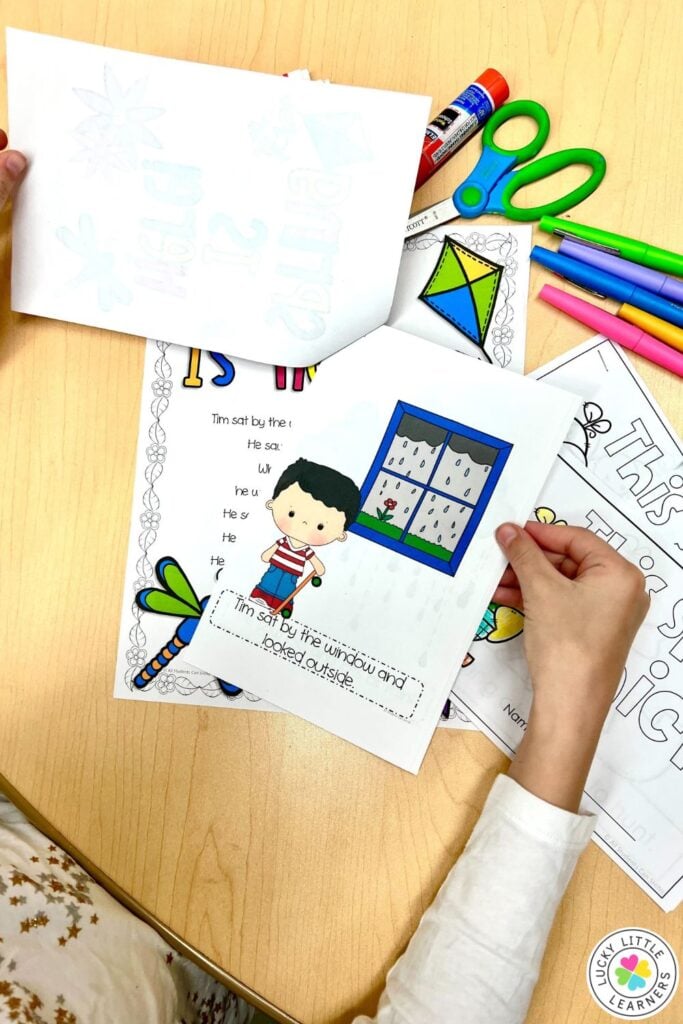
Echo Reading
Echo reading is great for kindergarten fluency because it models fluent reading for students, helping them build confidence, expression, and accuracy as they repeat after you. An emergent reader is the perfect resource for this.
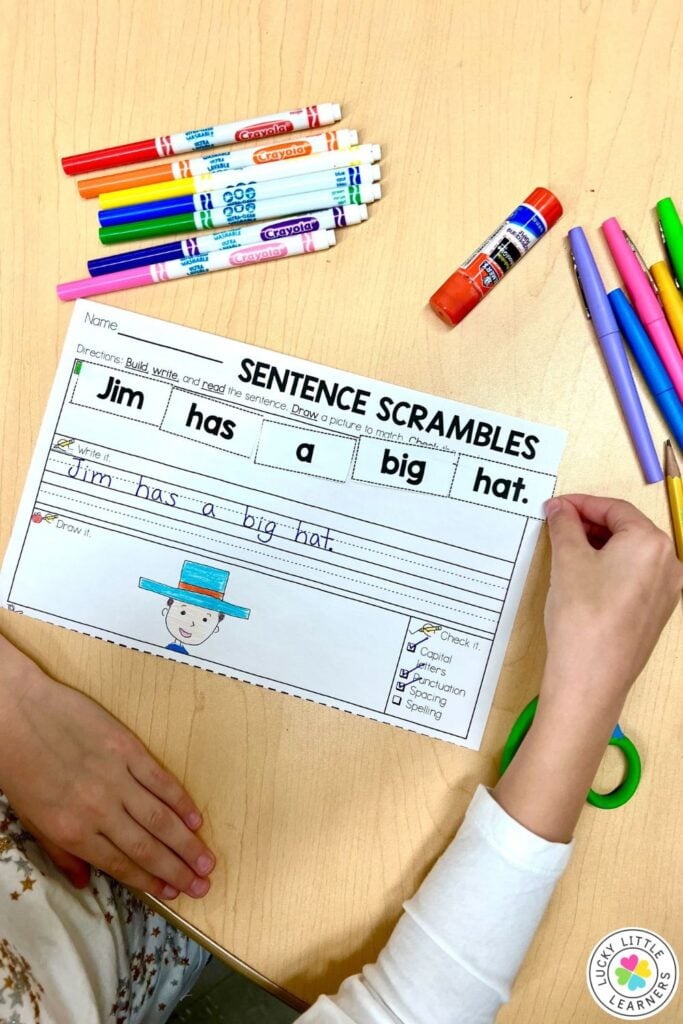
Sentence Scramble
Sentence scrambles improve fluency by helping students practice word order, punctuation, and smooth reading while building their expression and understanding.
Find more fluency teaching tips here: Reading Fluency Practice for Early Readers.
Tackle all Kindergarten reading skills for $1!
Get everything mentioned in this post, and more, for just $1! Find out how below.