As a teacher, your brain is your most important tool—but are you giving it the fuel, rest, and exercise it truly needs to thrive? In this session, Dr. Brandon Stewart, a clinical neuropsychologist, walks educators through practical, science-backed ways to optimize brain health for teachers.
From managing classroom chaos to planning your day with clarity, your cognitive performance depends on more than just coffee and to-do lists.
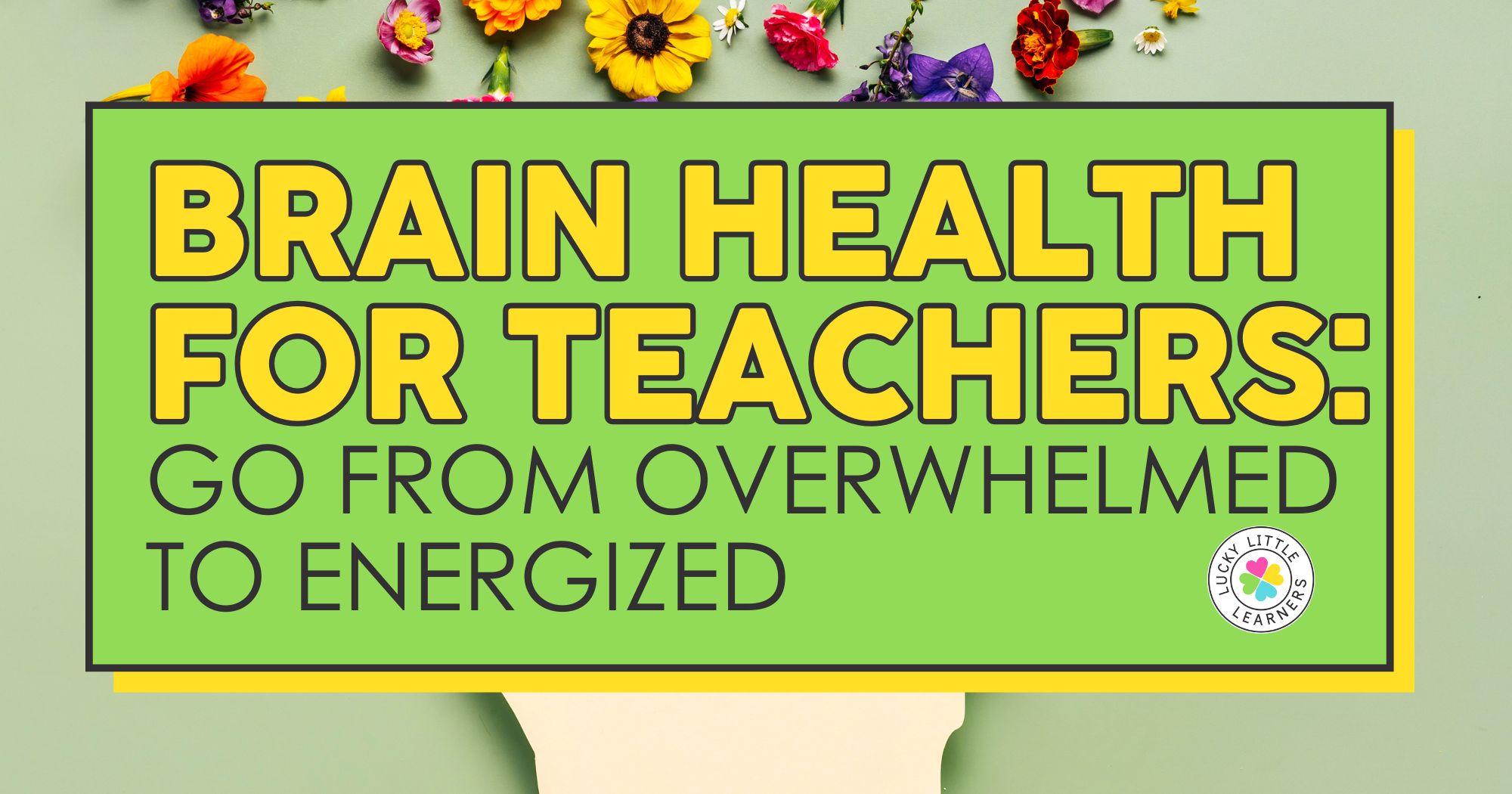
The Four Pillars of Brain Health
Dr. Stewart highlights four essential areas that help you go from frazzled to focused:
1. Sleep: Your Brain’s Janitorial Crew
- Sleep clears out cellular waste, consolidates memories, and reduces stress.
- Supports creativity and problem-solving while you rest.
- A poor night’s sleep can leave attention, memory, and decision-making impaired for the day.
2. Physical Exercise: Fuel Your Brain
- Short bursts of activity improve blood flow, oxygenation, and neuroplasticity—your brain’s ability to rewire itself.
- Even 5–20 minutes of movement before a lesson or planning period boosts focus and processing speed.
- Exercise supports memory, resilience, and long-term cognitive health.
3. Mental Stimulation: Challenge Your Brain
- Activities like puzzles, learning a new language, or playing an instrument strengthen executive functions: planning, problem-solving, prioritization, and cognitive flexibility.
- Engaging your brain in these ways mirrors the skills you model for students every day.
4. Nutrition: Feed Your Brain
- The MIND diet—berries, leafy greens, nuts, seeds, and fatty fish—supports memory and reduces inflammation.
- Hydration improves blood flow to the brain and mental energy.
- The right foods impact not just cognition, but sleep quality and overall brain function.
Structuring Your Day for Maximum Cognitive Performance
Brain health isn’t just about sleep, movement, diet, and puzzles—it’s about how you structure your day. Dr. Stewart introduces simple strategies for teachers:
Brain Dumping
- Offload swirling tasks and ideas onto paper or digital tools to reduce mental clutter.
- Arrange tasks by urgency or importance to get a sense of control and reduce stress.
Time-Blocking & Energy-Aware Scheduling
- Align your most demanding tasks with your peak energy times.
- Incorporate short mindfulness or movement breaks during lower-energy periods.
Micro-Breaks
- Take 1–5 minute intentional breaks every 20–30 minutes.
- Stretch, breathe, or step outside to refresh your brain.
- Avoid using breaks to check email or social media, which drains cognitive energy.
External Systems
- Calendars, reminders, and to-do lists act as extensions of your brain.
- Free up mental resources for high-priority thinking and decision-making.
The Teacher’s Advantage: Executive Functioning in Action
Optimizing brain health doesn’t just make you more productive—it makes you a better teacher. Enhanced executive functioning helps you:
- Stay calm amidst classroom chaos
- Plan and prioritize effectively
- Manage emotions under stress
- Model organizational skills for students

For more insights on supporting executive functioning in the classroom, check out the Executive Functioning section of our popular “Must Haves for Teachers” blog post!
Better brain health allows you to lead, adapt, and thrive, creating a positive ripple effect in your classroom.
Take the Next Step for Better Brain Health
Even small adjustments to sleep, movement, nutrition, mental stimulation, and daily structure can make a noticeable difference in your energy, focus, and resilience.
Ready to give your brain the upgrade it deserves?
Watch the full training and explore tools to boost brain health for teachers.